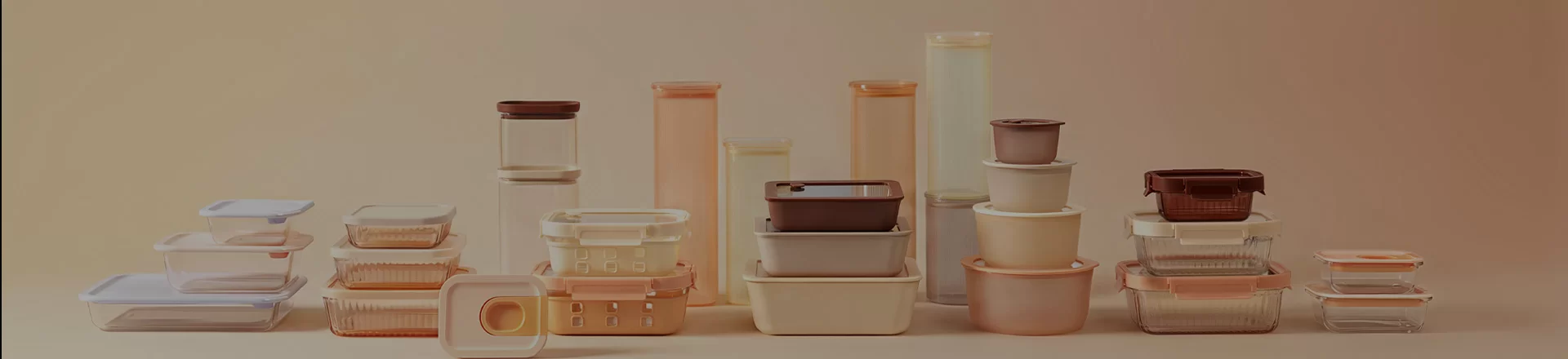
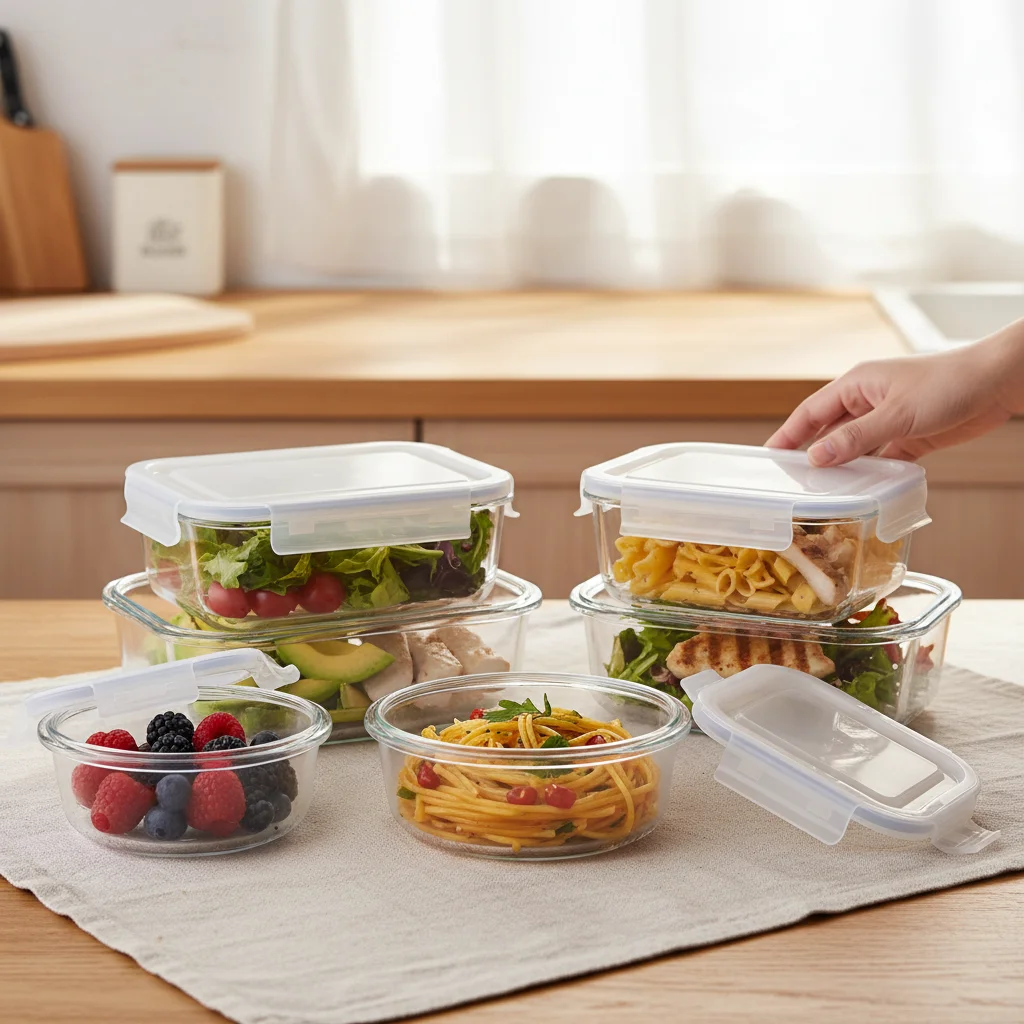
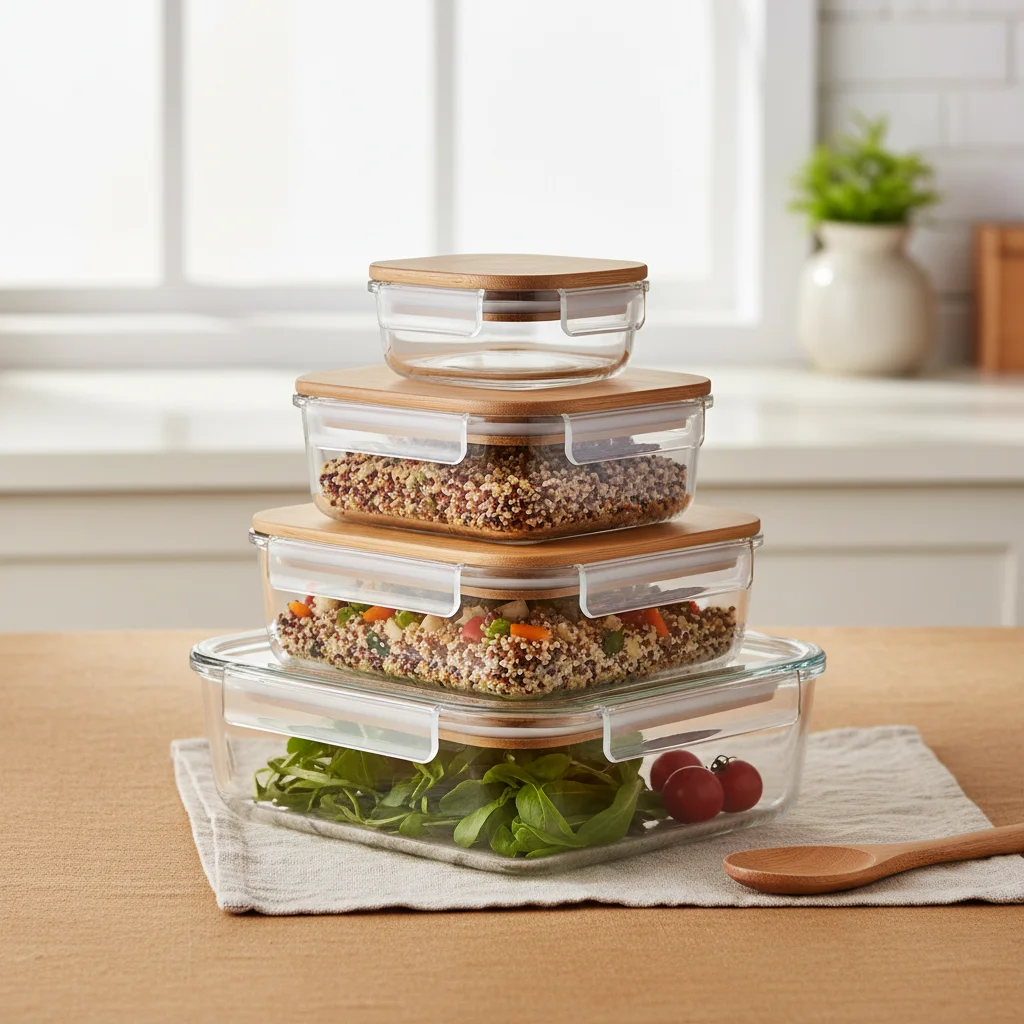
Look, I’ve been in the construction game for fifteen years, and I’ve seen a lot of things break, leak, and generally fail. One thing I haven’t seen fail, and frankly, something I rely on day-to-day, are good, solid rectangular glass food storage containers. Sounds simple, right? It is. But keeping a crew fed and hydrated – and doing it safely – is a massive operation. We're talking lunches, pre-cut fruit for snacks, even mixing small batches of certain materials where precision is key. These aren’t your grandma’s Tupperware; they’re workhorses. rectangular glass food storage containers are indispensable out here.
The biggest challenge we face isn’t just the physical labor, it’s logistics. Everything has to be organized, accounted for, and protected from the elements. You wouldn’t believe the amount of stuff that gets crushed or contaminated on a job site. That’s where the durability of rectangular glass food storage containers really shines. Plastic cracks, metal dents, but glass, especially the tempered stuff, can take a beating. Plus, no leaching of chemicals into food – that’s a big concern with some of the cheaper options.
Honestly, it's about more than just storing food. It's about maintaining a level of professionalism and hygiene, even when you're covered in dust and mud. A well-maintained lunch box with proper storage shows respect for yourself and the job. And when things get hectic, having reliable containers to grab a quick, safe meal from can be a real game-changer.
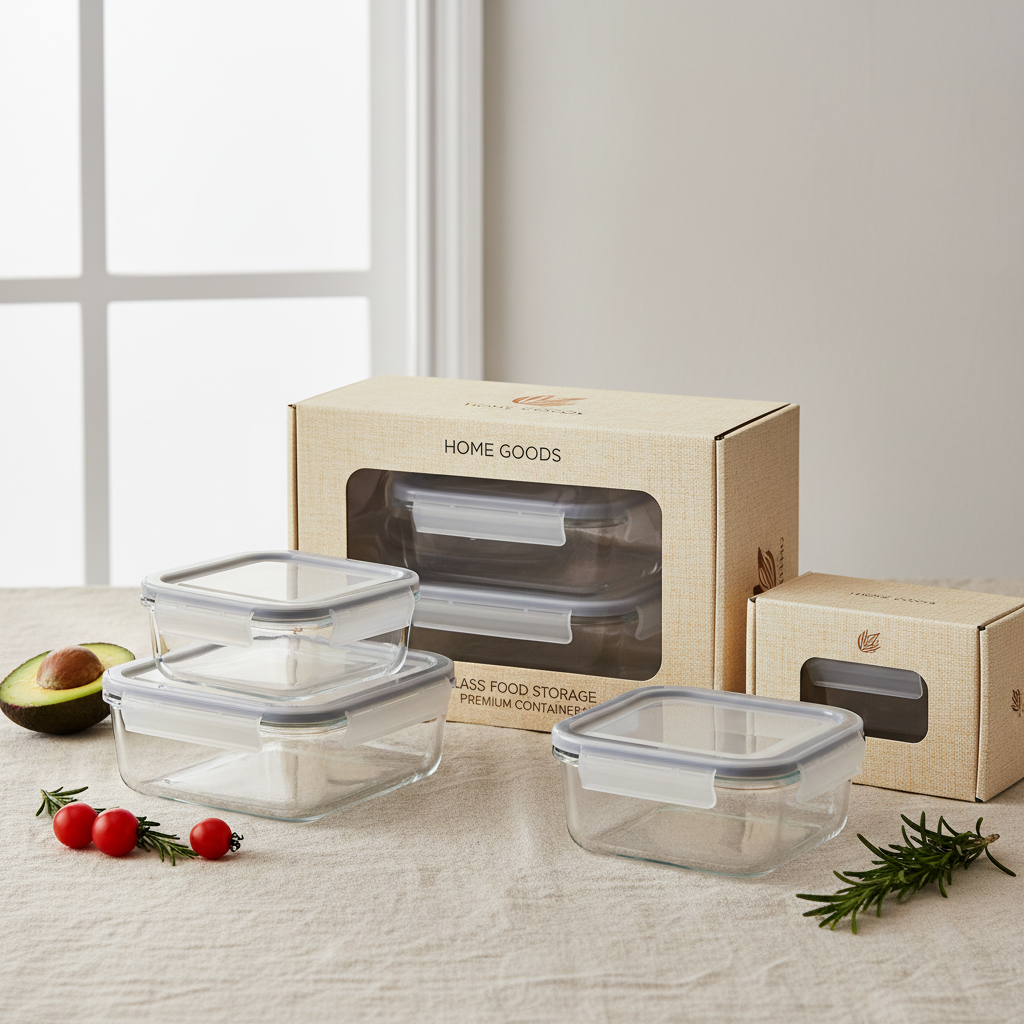
The Importance of Rectangular Glass Food Storage Containers on Construction Sites
You learn quick on a construction site: organization is survival. And that extends to everything, including what guys bring for lunch. A broken container means a ruined meal, a mess to clean up, and potential delays. We’ve tried plastic, we’ve tried metal, but nothing holds up like a good quality rectangular glass food storage container. They simply withstand the rigors of daily use better than anything else.
Beyond just holding food, these containers are versatile. We use them for storing small parts – screws, bolts, washers – keeping them separated and preventing loss. Engineers use them for mixing small batches of epoxy or concrete samples. The non-reactive nature of the glass is crucial in those situations, ensuring the sample isn’t contaminated.
Defining the Role of Durable Food Storage
Durable food storage isn’t just about keeping things contained; it’s about safety and efficiency. When a worker’s lunch spills, it’s not just a nuisance, it can be a slip hazard. A shattered plastic container can leave sharp shards everywhere. Rectangular glass food storage containers eliminate those risks. They're robust enough to handle being tossed around in a toolbox or on the back of a truck.
The rectangular shape itself is a benefit. It maximizes space efficiency in lunchboxes and coolers. Round containers waste a lot of room. We’re all about maximizing space and minimizing waste out here. Every inch counts.
This also ties into broader site safety protocols. A clean and organized work environment is a safe work environment, and having reliable, reusable containers contributes to that. It’s a small detail, but it adds up.
Key Characteristics of Effective Rectangular Glass Containers
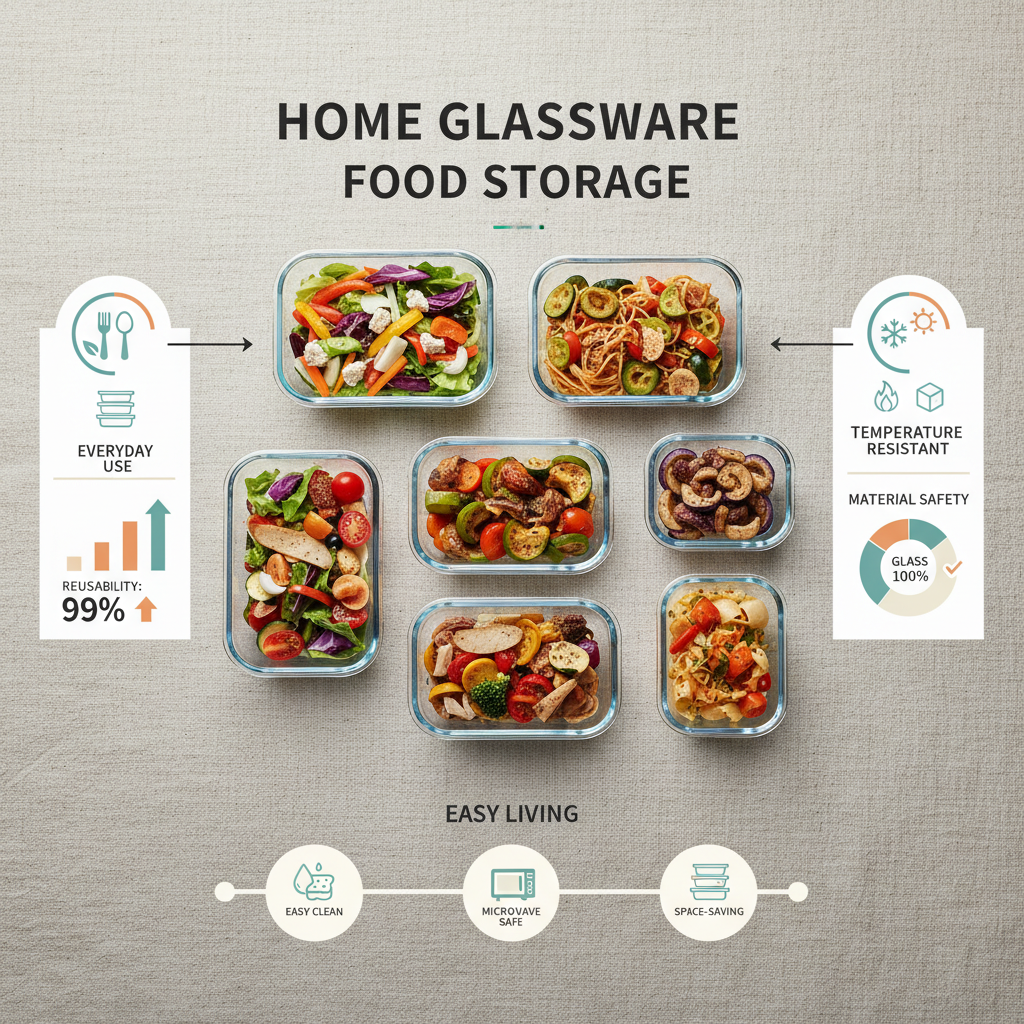
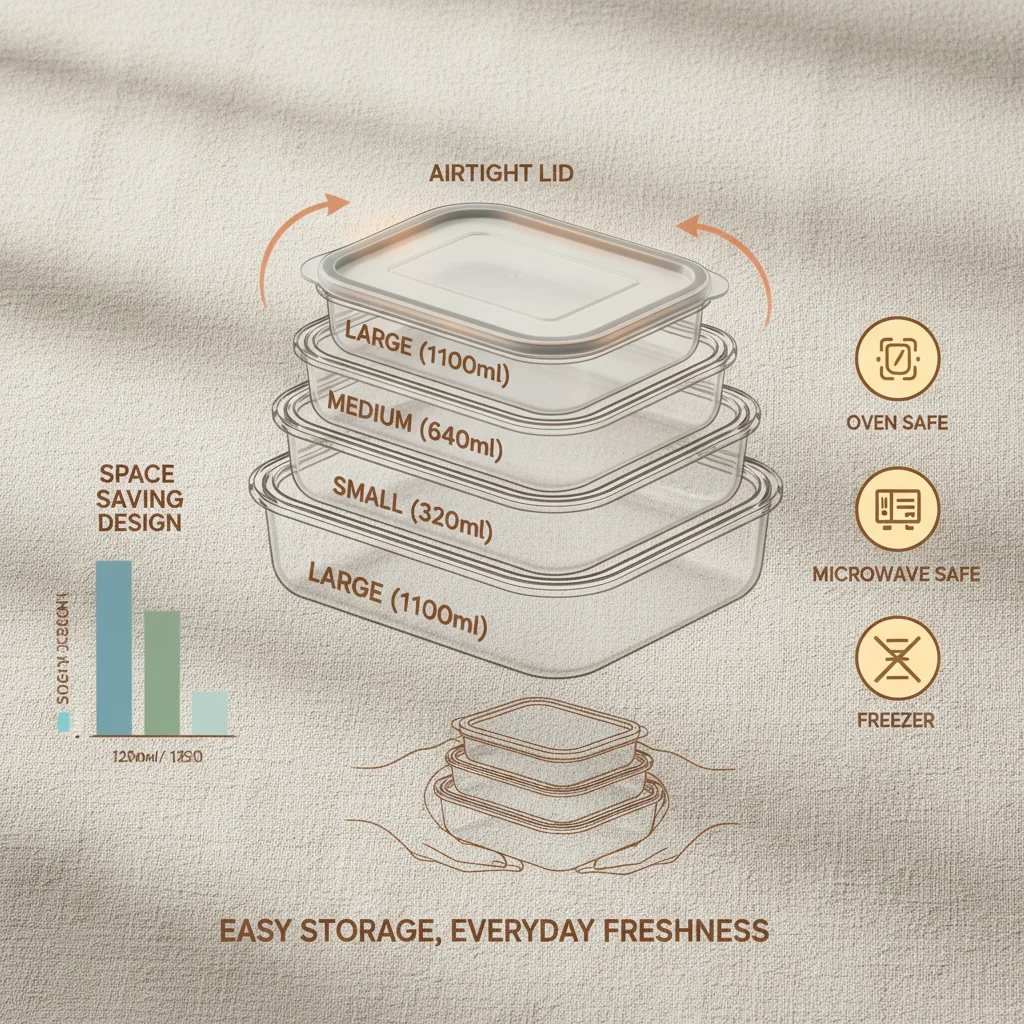
The most important factor is the glass itself. Tempered glass is a must. It’s significantly stronger than standard glass and shatters into smaller, less dangerous pieces if it does break. The lid is also crucial. A tight-sealing, leak-proof lid is essential to prevent spills and keep food fresh. rectangular glass food storage containers really stand out in this area.
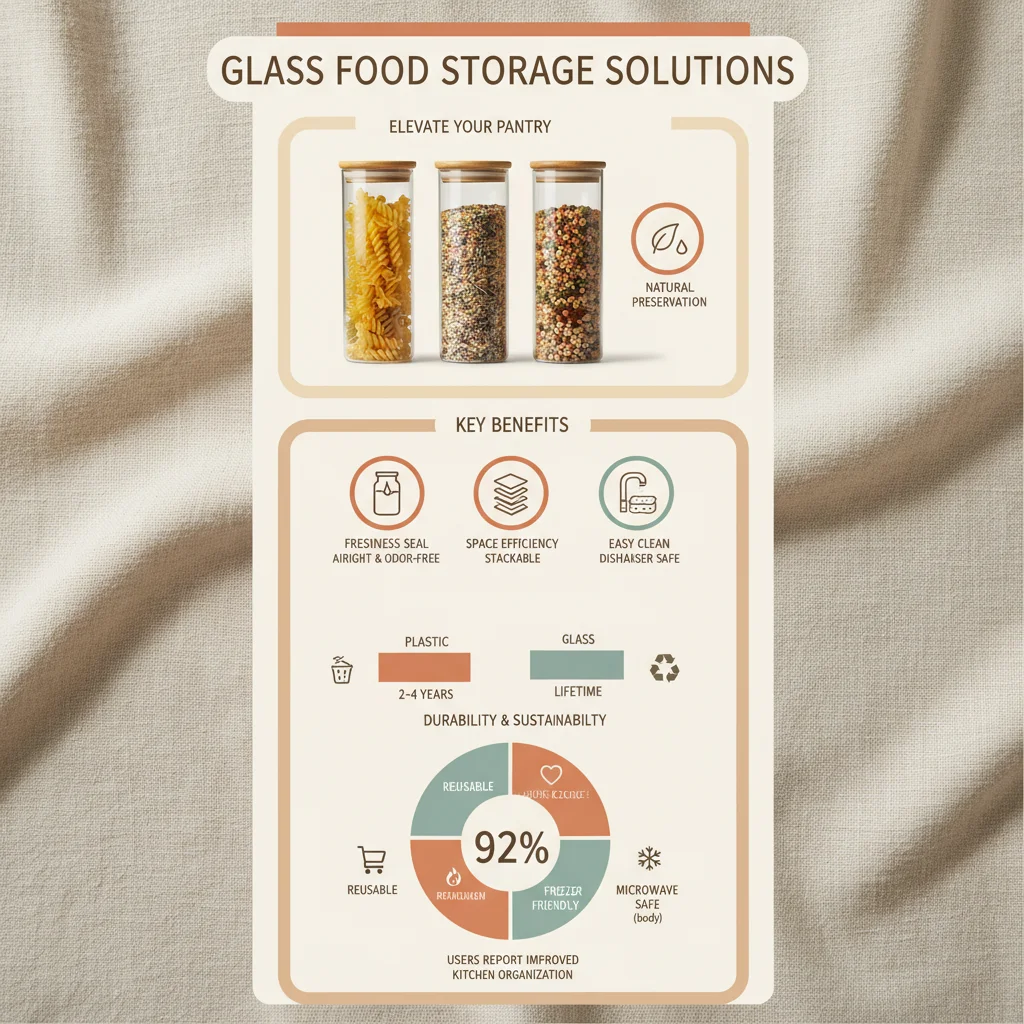
Another key characteristic is heat resistance. Being able to microwave leftovers directly in the container is a huge convenience. We often have limited access to cooking facilities on site, so being able to reheat a meal quickly is a big plus. And, of course, they need to be dishwasher safe. Ain’t nobody got time for hand-washing a ton of containers after a long day.
Finally, stackability is important. We need to be able to store these efficiently in our lunchrooms and on our trucks. Containers that nest neatly together save a lot of space. You’d be surprised how much space good organization can save on a cramped job site.
Practical Applications in the Field
As I mentioned, it’s not just about lunch. We use rectangular glass food storage containers for storing small tools and hardware. They keep things organized and prevent parts from getting lost. We also use them for mixing small batches of quick-setting concrete or epoxy – the glass doesn’t react with the materials, ensuring a clean and accurate mix.
Supervisors use them to store samples of paint or other finishes for reference. Having a clear container allows them to easily compare colors and textures. It's a simple thing, but it prevents a lot of miscommunication and rework.
Rectangular Glass Food Storage Container Usage by Trade
Advantages and Long-Term Cost Savings
The initial cost of rectangular glass food storage containers might be slightly higher than plastic alternatives, but the long-term savings are significant. They don’t need to be replaced as often, reducing waste and procurement costs. They also contribute to a more professional image, which can be important when dealing with clients.
From a sustainability standpoint, glass is a more environmentally friendly option than plastic. It’s recyclable and doesn’t leach harmful chemicals into the environment. That’s increasingly important, especially with the growing focus on green building practices.
Future Trends and Material Innovations
I'm seeing a lot of innovation in glass technology. New tempering processes are making glass even stronger and more resistant to breakage. We're also seeing more interest in bio-based plastics for lids, which offer a more sustainable alternative to traditional petroleum-based plastics.
Smart containers with built-in sensors that monitor food freshness are also on the horizon. That could be a game-changer for large-scale catering operations or for tracking sensitive materials on construction sites.
The push for more sustainable materials and practices will continue to drive innovation in the food storage container market, and I expect to see even more durable, eco-friendly options in the years to come.
Addressing Challenges and Ensuring Safety
The biggest challenge with glass is, of course, breakage. While tempered glass is much stronger, it can still shatter under impact. Proper handling and storage are crucial. We emphasize the importance of carrying containers carefully and avoiding stacking them too high.
Another challenge is weight. Glass is heavier than plastic, which can be a concern for workers who are already carrying heavy loads. Choosing lightweight glass containers and using carrying cases can help mitigate this issue.
Finally, it’s important to have a clear policy for dealing with broken glass. Workers need to be trained on how to safely clean up broken glass and dispose of it properly. A well-defined safety protocol is essential to prevent injuries.
Summary of Rectangular Glass Food Storage Container Safety and Maintenance Best Practices
| Handling Procedures |
Storage Recommendations |
Breakage Response |
Regular Inspection Checks |
| Carry containers securely with both hands. |
Store in a designated, padded area. |
Isolate the area, use protective gear, and sweep carefully. |
Check for cracks or chips before each use. |
| Avoid dropping or subjecting to impact. |
Avoid stacking containers excessively high. |
Dispose of broken glass in a designated sharps container. |
Inspect lids for proper sealing functionality. |
| Use carrying cases for transport. |
Separate glass containers from heavy objects. |
Report any breakage incidents to site supervisors. |
Verify glass integrity after dishwashing cycles. |
| Be mindful when handling near other workers. |
Ensure containers are stable and won't topple. |
Follow all site-specific waste disposal protocols. |
Replace damaged containers promptly. |
| Use caution when opening hot containers. |
Store away from direct sunlight or extreme temperatures. |
Document all incidents in a safety log. |
Check for signs of wear and tear on the glass. |
| Communicate any potential hazards to colleagues. |
Consider using container organizers for improved access. |
Provide regular safety training on glass handling. |
Maintain an inventory of replacement containers. |
FAQS
Absolutely. While plastic is cheaper upfront, glass is far more durable, doesn’t leach chemicals, and lasts much longer. Over the long run, you’ll save money by not having to replace them constantly. Plus, they just feel more solid and reliable – which is important when you're relying on them in a tough environment. They're an investment in quality and safety.
First, isolate the area to prevent anyone from stepping on the shards. Then, put on gloves and eye protection. Carefully sweep up the broken glass, making sure to get all the small pieces. Dispose of it properly in a designated sharps container or a sturdy, sealed bag. Report the incident to your supervisor. Safety first, always.
Look for containers made with tempered glass – that’s the key. Also, choose containers with tight-sealing, leak-proof lids. Containers with silicone sleeves can offer added protection against impacts. And consider containers designed for stacking – that'll save you space in the lunchroom. rectangular glass food storage containers offers a great range of options built for durability.
Most rectangular glass food storage containers are dishwasher safe, which is ideal. If you’re hand-washing, use warm, soapy water and a non-abrasive sponge. Avoid using harsh chemicals or scouring pads, as they can scratch the glass. Make sure to rinse thoroughly and dry completely before storing. For stubborn food residue, let it soak overnight.
That depends on the lid! Make sure you choose containers with a really good seal. Look for lids with silicone gaskets or locking mechanisms. Test the seal before storing any liquids, especially if you're transporting the container. A properly sealed container shouldn’t leak, even if it’s turned upside down.
Most tempered glass containers can handle a wide range of temperatures, from freezer temperatures to oven temperatures (check the manufacturer's specifications, though). They’re typically microwave-safe as well. However, avoid drastic temperature changes – don’t take a container directly from the freezer to a hot oven, as that can cause it to shatter. Always let the container acclimate to the new temperature gradually.
Conclusion
So, there you have it. Rectangular glass food storage containers might seem like a small detail, but they play a significant role in keeping construction crews safe, organized, and efficient. They’re durable, versatile, and ultimately, a smart investment. They’re not just for food; they’re for tools, samples, and anything else you need to keep contained and protected on a demanding job site.
I’ve seen crews lose valuable time and money due to broken or leaky containers. Investing in quality rectangular glass food storage containers is a proactive step towards improving site safety, reducing waste, and boosting overall productivity. Don't skimp on this – it’s one of those things where paying a little more upfront will save you a lot of headaches down the road. Check out rectangular glass food storage containers to find the right containers for your needs.