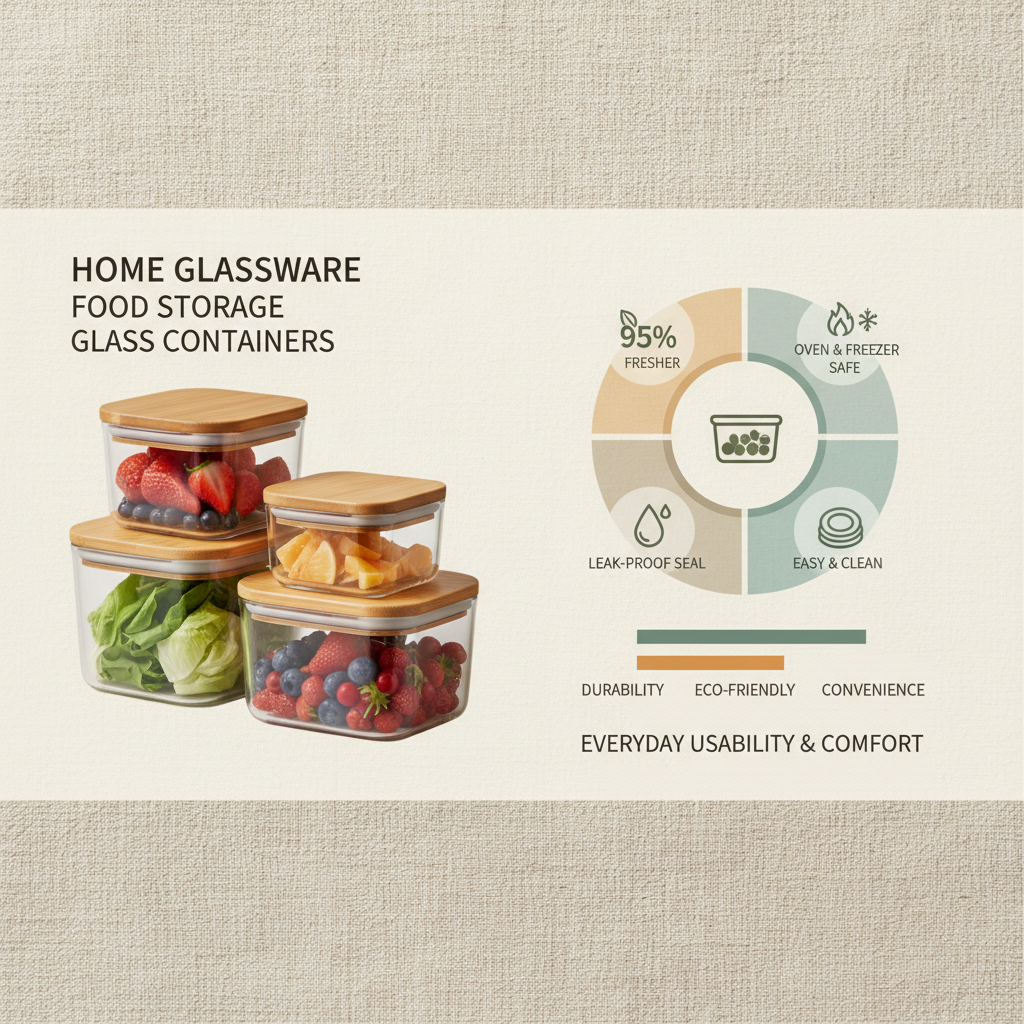
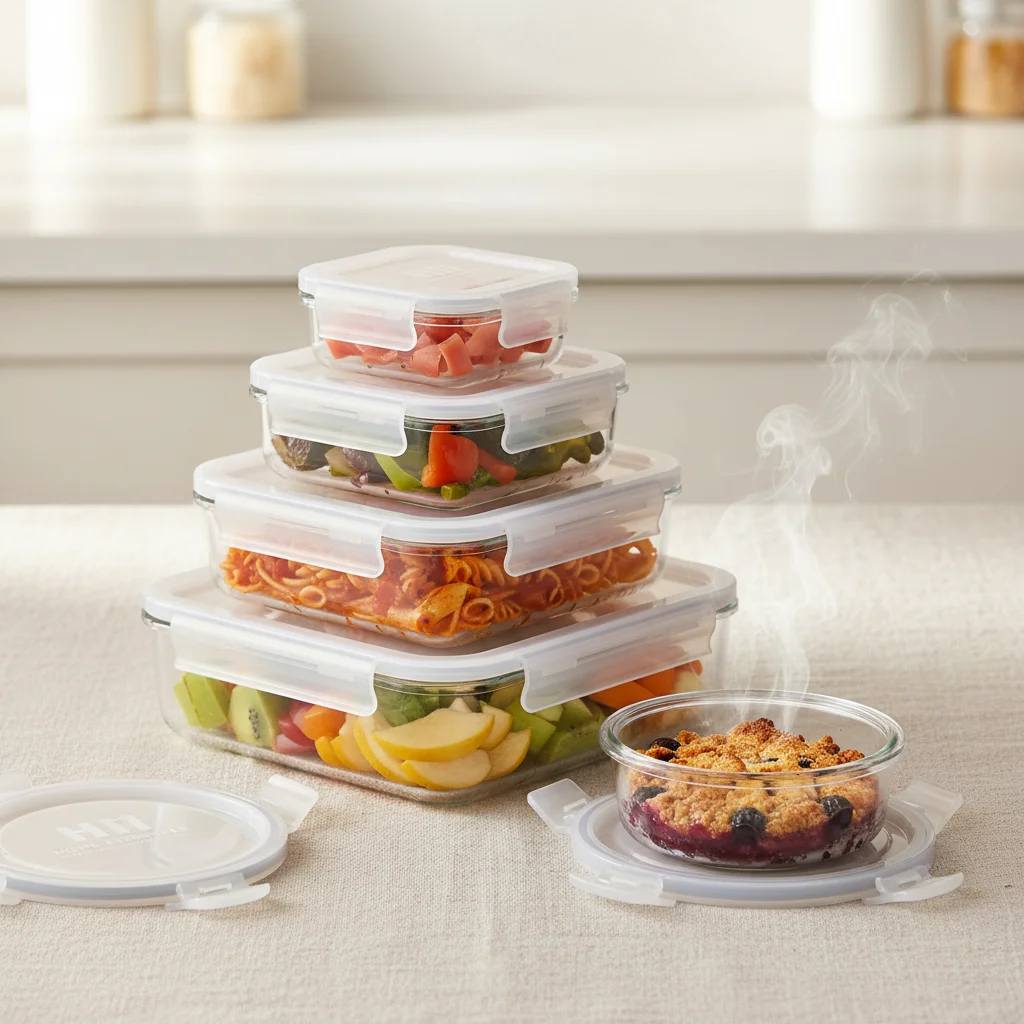
Look, I've spent the last fifteen years getting my hands dirty on construction sites, and I can tell you one thing: keeping materials safe and dry is half the battle. It doesn't matter how good your design is or how skilled your crew is if your supplies are ruined by moisture or pests. That's where quality, large airtight glass containers for food storage – and I use that term broadly, we're talking building materials, not just groceries – come into play. They're not just about keeping things sealed; they’re about protecting investments, maintaining schedules, and frankly, reducing a whole lot of headaches. It's a surprisingly critical piece of the puzzle.
We used to rely on plastic bins and drums, and honestly, they just weren’t cutting it. Cracking, warping, and that constant worry about what's really airtight… it added up. Now, with robust large airtight glass containers for food storage options available, we’re seeing a shift. These aren’t your grandma’s canning jars, these are heavy-duty, engineered solutions. They make a real difference on a job site.
And it's not just about the materials themselves. Proper storage impacts project timelines and budgets. Think about it - rework due to damaged materials, wasted resources, delays because you're waiting for re-orders. Investing upfront in the right storage solutions, like these containers, translates to savings down the line. It's a simple calculation, but one often overlooked in the hustle of a construction project.
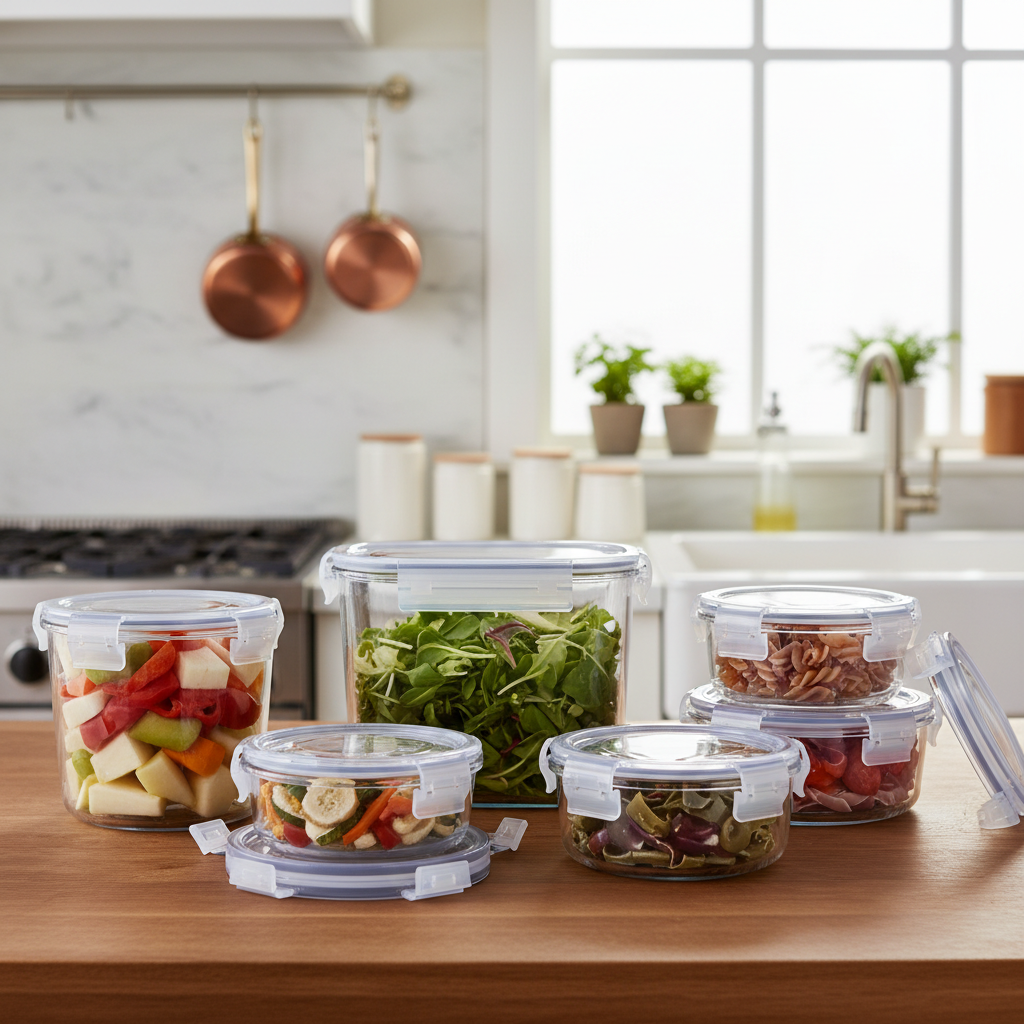
The Importance of Durable Storage for Construction Materials
Let's be real, construction sites are brutal environments. Exposure to the elements, temperature swings, dust, and the general wear and tear of a busy site can quickly degrade materials. Large airtight glass containers for food storage aren't just a 'nice to have' anymore; they're essential for protecting investments in everything from specialized adhesives and sealants to sensitive electronic components. Think about those expensive epoxy resins - ruined by humidity and you're looking at a costly replacement.
A proper storage system also impacts worker safety. Clearly labeled, securely stored materials reduce the risk of accidental spills, contamination, and potential hazards. You wouldn't leave a gallon of solvent just sitting open, right? Good storage practices build a safer, more efficient work environment.
Defining Large Airtight Glass Containers for the Construction Industry
Now, when I say large airtight glass containers for food storage, I'm not talking about the small jars you use for pickling. These are industrial-grade containers, typically constructed from borosilicate glass – the stuff that can handle thermal shock. We’re talking about volumes ranging from several liters to even hundreds, designed to hold anything from small hardware to large rolls of specialized membranes.
The ‘airtight’ part is key. We need containers with robust sealing mechanisms – think silicone gaskets, clamp closures, or even specialized locking lids. These seals need to be durable enough to withstand repeated opening and closing, and resistant to chemicals and solvents commonly found on site. It's about creating a true barrier against moisture, dust, and pests.
These containers are a direct response to the failures of traditional storage methods. Plastic bins crack, metal drums corrode, and cardboard boxes… well, they just fall apart in the rain. Glass, properly engineered, provides a long-lasting, reliable solution.
Key Factors: Why Glass Outperforms Traditional Options
Durability is the big one. Glass doesn’t degrade over time like plastic. It doesn't rust like metal. It's inherently resistant to most chemicals. This translates to a longer lifespan and reduced replacement costs. Plus, you can actually see what’s inside, which saves time and reduces the chance of using the wrong material.
Chemical resistance is another huge advantage. Many construction materials are sensitive to certain chemicals. Plastic containers can leach chemicals into the stored materials, or conversely, be degraded by the stored materials. Glass is generally inert, meaning it won’t react with most substances.
And don’t underestimate the value of transparency. Being able to visually inspect the contents without opening the container saves time and prevents errors. How many times have you rummaged through a bin looking for a specific fitting, only to find it's been contaminated or damaged?
Global Applications and Use Cases on Construction Sites
I’ve seen these containers used everywhere, from massive infrastructure projects in the Middle East to smaller residential builds here at home. They’re particularly valuable in climates with high humidity or extreme temperature fluctuations. In coastal areas, the salt air can wreak havoc on materials, and airtight storage is crucial.
We've used them to store specialized coatings for bridges, sensitive electronic sensors for smart buildings, and even pre-mixed concrete additives. In remote locations, where re-supply is difficult and costly, ensuring the integrity of materials in transit and storage is paramount. The ability to reliably protect valuable materials becomes even more critical.
They’re also gaining traction in modular construction. Keeping components dry and protected during transportation and assembly is essential for maintaining quality and preventing delays. I’ve even seen them used for storing drone components on large surveying projects – protecting the electronics from dust and moisture is critical for reliable data collection.
Material Preservation Rates with Different Storage Methods
Advantages: Cost Savings and Long-Term Value
Look, at the end of the day, everything comes down to the bottom line. While the initial investment in high-quality large airtight glass containers for food storage might be higher than plastic bins, the long-term cost savings are significant. Reduced material waste, fewer re-orders, and minimized rework all contribute to a healthier project budget.
There's also the sustainability factor. Glass is recyclable, and a durable container means less waste going to landfill. Clients are increasingly demanding sustainable building practices, and this is one area where you can make a real difference.
Future Trends in Material Storage Technology
We're starting to see smart storage solutions emerge – containers with integrated sensors that monitor temperature, humidity, and even material degradation. These systems can alert you to potential problems before they become major issues.
RFID tracking is another area of development. Being able to track the location and condition of materials in real-time can improve logistics and reduce loss. And I think we'll see more emphasis on modular storage systems that can be easily adapted to changing project needs.
Material science itself is evolving. We might see new types of glass with even greater strength and chemical resistance, or coatings that provide additional protection against UV light and other environmental factors.
Challenges and Innovative Solutions for Airtight Storage
One challenge is the weight. Glass is heavier than plastic, which can make it more difficult to move around on a job site. That’s where proper handling equipment and well-planned logistics come into play. We're also looking at lightweight glass composites that offer the same benefits with reduced weight.
Another issue is breakage. While glass is durable, it's not indestructible. Investing in protective packaging and training workers on proper handling techniques can minimize the risk of damage. Reinforced container designs and protective sleeves are also becoming more common.
Finally, ensuring a consistent, reliable seal over the long term is crucial. Regular inspection of gaskets and closures is essential, and using high-quality sealing materials is a must. The cost of a failed seal far outweighs the cost of preventative maintenance.
A Comparative Analysis of Material Storage Solutions
| Storage Method |
Durability Score (1-10) |
Airtightness Rating (1-10) |
Cost Effectiveness (1-10) |
| Plastic Bins |
4 |
3 |
7 |
| Metal Drums |
6 |
5 |
5 |
| Cardboard Boxes |
2 |
1 |
2 |
| Large Airtight Glass Containers for Food Storage |
9 |
9 |
6 |
| Reinforced Plastic Containers |
7 |
6 |
7 |
| Vacuum-Sealed Bags (with outer container) |
5 |
10 |
4 |
FAQS
After storing chemicals, thorough cleaning is crucial. Start by rinsing with a solvent appropriate for the chemical stored (check SDS sheets). Follow with a hot water and detergent wash, ensuring all residue is removed. A final rinse with distilled water is recommended to prevent streaks or contaminants. Always wear appropriate PPE during cleaning.
While the containers themselves are durable, prolonged direct exposure to sunlight and extreme weather can degrade the seals over time. It's best to store them in a covered area or use protective covers when possible. Also, consider the weight – secure placement is essential to prevent tipping or breakage.
Highly corrosive materials like hydrofluoric acid can etch glass. Also avoid storing materials that generate significant gas, as this can build up pressure and compromise the seal. Always consult the material safety data sheet (SDS) for compatibility information.
Regularly inspect the gaskets or sealing mechanisms for cracks or damage. Clean them with a mild detergent and water. Avoid using abrasive cleaners or solvents that could degrade the rubber. Properly closing the container after each use is also essential.
Sizes vary, but you’ll typically find options ranging from 5 liters to 200 liters or more. The best size depends on the materials you need to store and the space available. Some suppliers also offer custom sizes for specific project needs.
Glass breakage is a potential hazard. Implement clear handling procedures, provide appropriate PPE (safety glasses, gloves), and designate specific storage areas to minimize the risk. Consider using protective sleeves or cages around the containers to contain any fragments if breakage occurs.
Conclusion
In the end, investing in high-quality large airtight glass containers for food storage isn't just about protecting materials; it's about protecting your project, your crew, and your bottom line. From reducing waste and rework to enhancing safety and sustainability, the benefits are clear. It’s a fundamental aspect of responsible construction management that’s often overlooked.
I’ve seen firsthand how these containers can transform a job site. Don't settle for substandard storage solutions that cost you time, money, and peace of mind. Take the time to invest in quality, and you’ll see a significant return in efficiency, reliability, and overall project success. Visit our website to explore our range of solutions: large airtight glass containers for food storage.