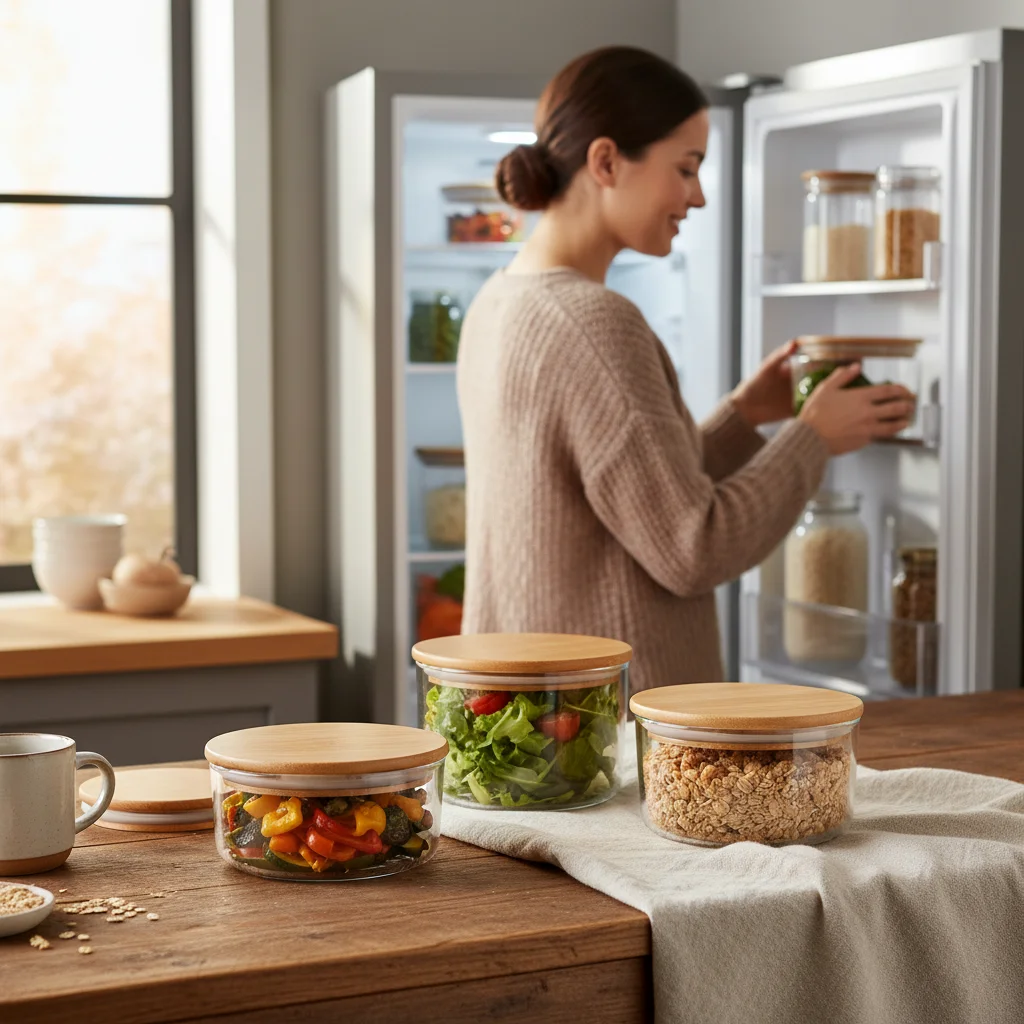
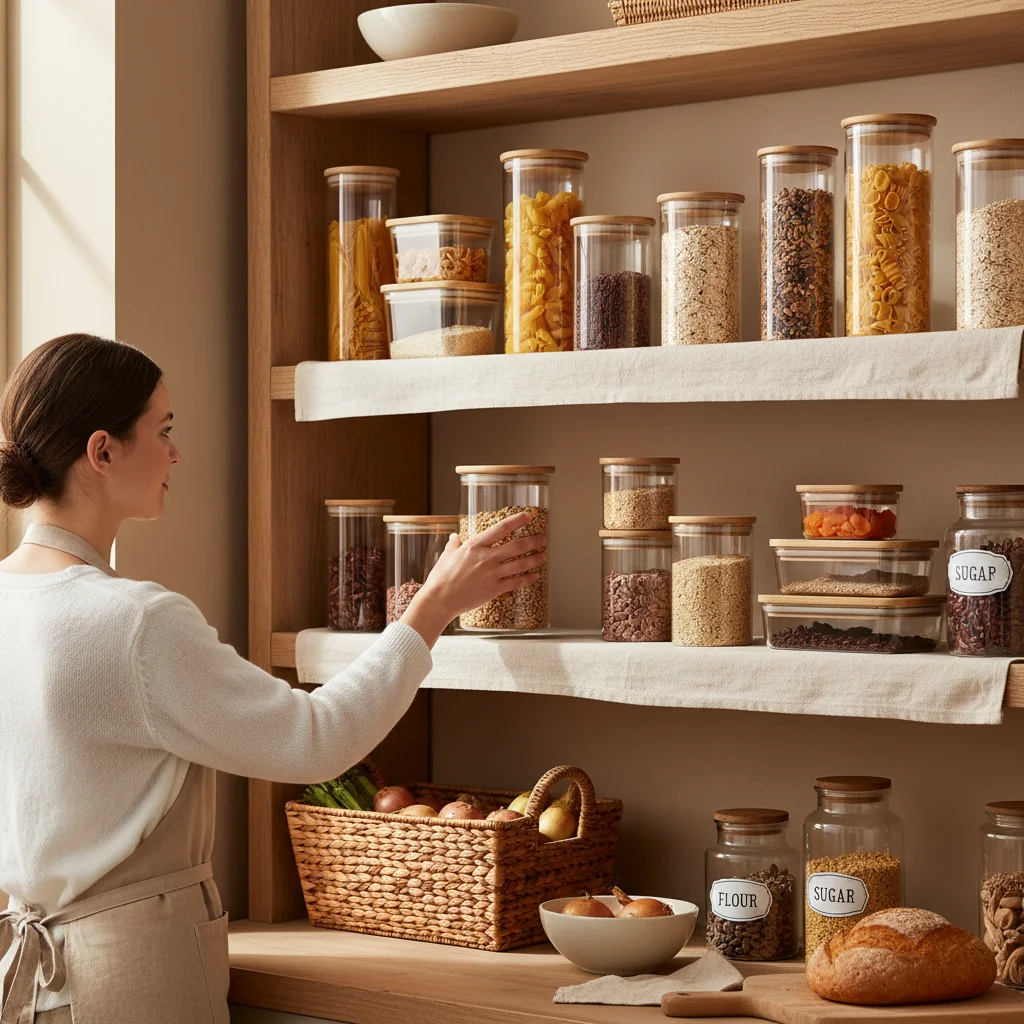
Nesting glass food storage containers have become increasingly vital in modern households and professional kitchens alike, representing a shift towards sustainable living and efficient food management. These containers offer a practical and aesthetically pleasing solution to reduce food waste, maintain freshness, and streamline kitchen organization. The global demand for such products is rising, driven by growing awareness of environmental concerns and a desire for healthier lifestyles.
The importance of nesting glass food storage containers extends beyond individual convenience. They play a crucial role in promoting food security by extending the shelf life of perishable items, contributing to reduced food loss throughout the supply chain. Furthermore, the reusable nature of these containers actively combats plastic pollution, aligning with global efforts to minimize single-use plastics and embrace circular economy principles.
Understanding the benefits of nesting glass food storage containers—from their durability and hygiene to their contribution to a more sustainable future—is essential for consumers, businesses, and policymakers seeking to create a positive impact on both individual wellbeing and the planet.
Introduction to Nesting Glass Food Storage Containers
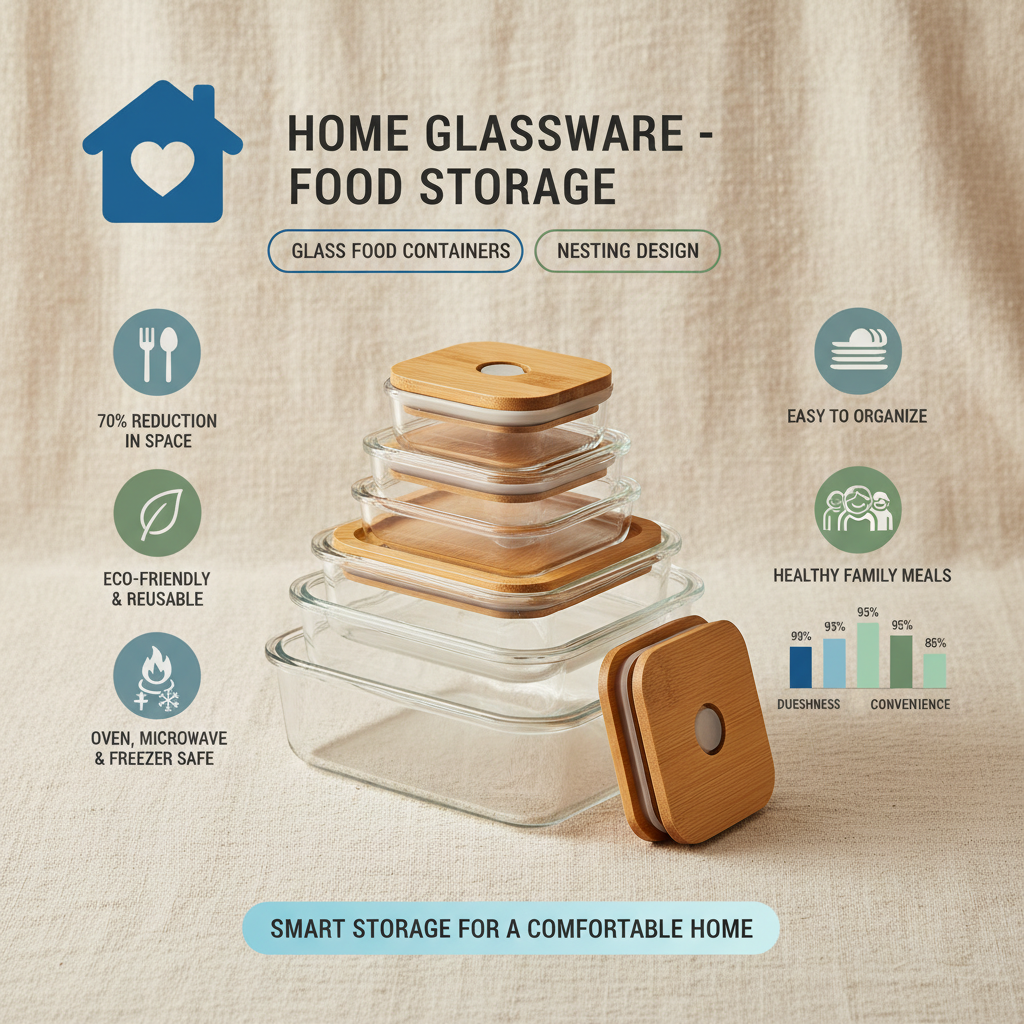
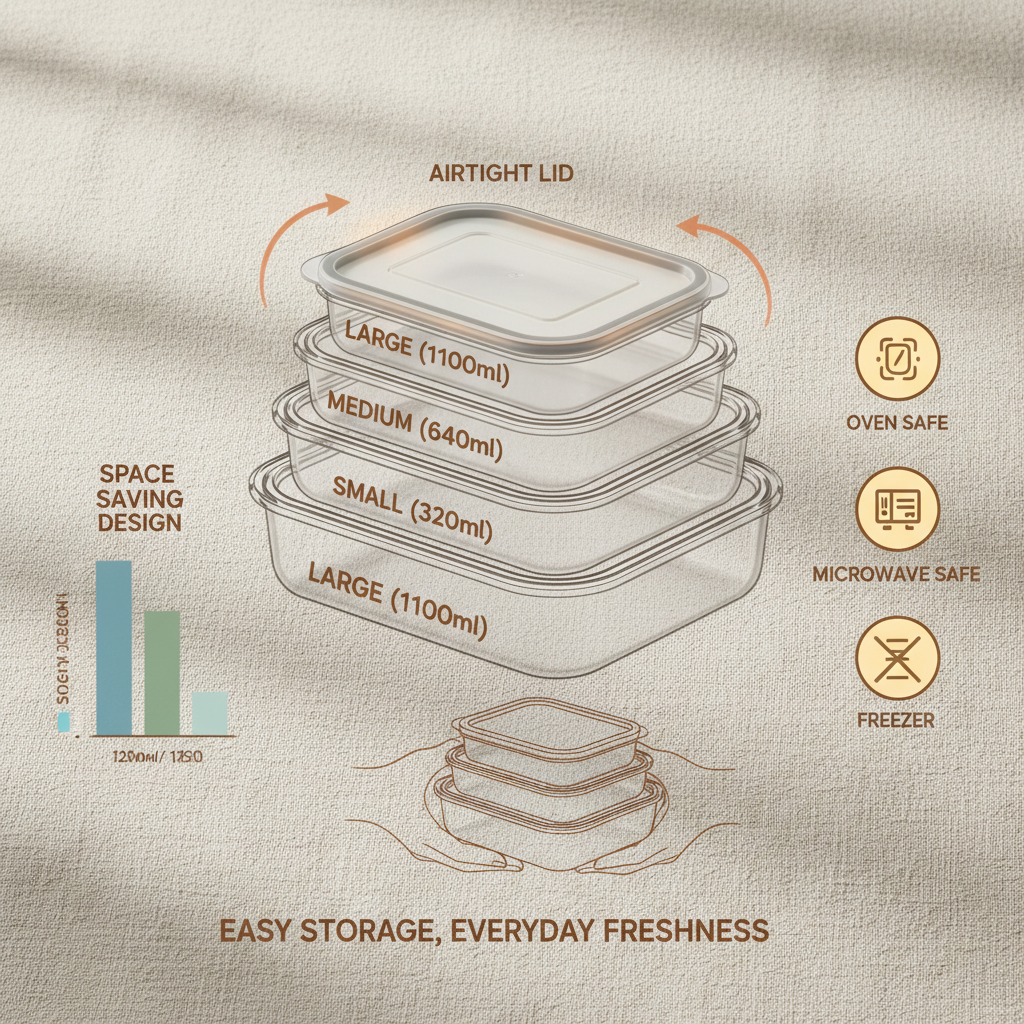
Nesting glass food storage containers are designed for space-saving convenience, allowing multiple containers to fit compactly within one another when not in use. This characteristic makes them ideal for smaller kitchens or for individuals who value organized storage solutions. Beyond space efficiency, glass offers a non-porous surface, resisting stains, odors, and the absorption of flavors, a significant advantage over plastic alternatives.
The appeal of nesting glass food storage containers lies in their combination of functionality and sustainability. They present a reusable and eco-friendly alternative to disposable plastic containers, contributing to a reduction in landfill waste and the demand for new plastic production. This appeals to a growing consumer base that prioritizes environmentally responsible products and actively seeks to minimize their ecological footprint.
Global Relevance and Market Trends
The global food storage container market is experiencing significant growth, fueled by increased consumer awareness regarding food waste and the desire for convenient storage solutions. According to a recent report by Grand View Research, the global food storage container market size was valued at USD 4.85 billion in 2022 and is expected to grow at a compound annual growth rate (CAGR) of 6.5% from 2023 to 2030. This growth is particularly pronounced in regions with rising disposable incomes and increasing urbanization.
A key driver of this trend is the growing emphasis on food preservation and extending shelf life. The Food and Agriculture Organization of the United Nations (FAO) estimates that roughly one-third of all food produced globally is lost or wasted, costing an estimated USD 1 trillion annually. Effective food storage solutions, like nesting glass food storage containers, can help mitigate these losses and improve food security.
Furthermore, evolving consumer preferences towards healthier lifestyles and meal prepping are contributing to the demand for high-quality, reusable storage containers. Consumers are increasingly seeking solutions that facilitate portion control, convenient transport of meals, and prolonged freshness of ingredients, all of which are effectively addressed by these containers.
Defining Nesting Glass Food Storage Containers
Nesting glass food storage containers are specifically designed sets of containers made from glass, with shapes that allow them to be stacked inside one another when empty, minimizing storage space. This “nesting” feature distinguishes them from standard glass containers. Typically, these sets include a variety of sizes and shapes to accommodate different food types and quantities.
These containers are often paired with airtight lids, commonly made from materials like BPA-free plastic, silicone, or even glass, to maintain food freshness and prevent leaks. The use of glass as the primary material is significant, as it’s non-porous, odorless, stain-resistant, and does not leach chemicals into food, ensuring food safety and preserving taste.
The connection to modern industry and humanitarian needs arises from their contribution to sustainability, food security, and hygiene. They support environmentally conscious practices and are increasingly utilized in professional kitchens, food service, and even emergency relief efforts where safe and reliable food storage is paramount. nesting glass food storage containers exemplify this commitment to quality and responsible consumerism.
Core Components and Key Factors
Several core components contribute to the effectiveness and appeal of nesting glass food storage containers. First, Material Quality is crucial. Borosilicate glass, known for its resistance to thermal shock, is a preferred choice for its ability to withstand temperature fluctuations from refrigerator to oven. Second, Lid Design significantly impacts airtightness and leak prevention.
Third, Nesting Efficiency – how effectively the containers stack within one another – is a defining feature and dictates space-saving benefits. Fourth, Durability & Safety are paramount, ensuring the containers withstand daily use and are free from harmful chemicals. These features combine to make them a worthwhile investment.
Factors Influencing Nesting Glass Food Storage Container Choice
Global Applications and Use Cases
Nesting glass food storage containers find application across a wide spectrum of scenarios. In residential settings, they are highly sought after for kitchen organization, meal prepping, and reducing plastic waste. They are particularly valuable for families committed to healthy eating and reducing their environmental impact.
In the food service industry, restaurants and catering companies utilize these containers for efficient food storage, transportation, and preparation. Their durability and resistance to staining make them ideal for professional environments. In post-disaster relief operations, secure and hygienic food storage is critical, and nesting glass containers provide a reusable and reliable solution.
Advantages and Long-Term Value
The advantages of using nesting glass food storage containers are numerous and far-reaching. Tangible benefits include cost savings through reduced food waste, enhanced food preservation, and the elimination of the need for disposable plastic containers. From a sustainability standpoint, they contribute to a circular economy by reducing landfill waste and promoting reusability.
Beyond the practical advantages, there's a significant emotional and logical value proposition. Knowing that food is stored safely, without leaching harmful chemicals, offers peace of mind. Their elegant design and organized storage contribute to a more pleasant kitchen environment, fostering a sense of wellbeing and order. Investing in quality nesting glass food storage containers is an investment in health, sustainability, and a more organized lifestyle.
Future Trends and Innovations
The future of nesting glass food storage containers is poised for innovation, driven by advancements in materials science and a growing commitment to sustainability. We can anticipate the integration of smart technologies, such as sensors that monitor food freshness and connect to mobile apps, providing real-time information to users.
Research into bio-based and compostable lid materials represents another exciting trend, aiming to eliminate plastic components entirely. Furthermore, advancements in glass manufacturing techniques may lead to lighter, more durable, and even more affordable containers, expanding their accessibility to a wider consumer base.
The integration of digital traceability technologies, leveraging blockchain, could allow consumers to track the origin and environmental impact of their food storage containers, reinforcing transparency and responsible consumption. nesting glass food storage containers will likely be at the forefront of these innovations.
FAQS
Glass is non-porous, meaning it won't absorb odors, stains, or flavors, unlike plastic. It's also BPA-free and doesn’t leach chemicals into your food, ensuring safety and preserving taste. Additionally, glass is more durable and can withstand higher temperatures, making it suitable for both refrigerator and oven use. Choosing glass contributes to reducing plastic waste and promoting a healthier lifestyle.
Handwashing is generally recommended for nesting glass containers to avoid potential chipping or breakage. Avoid drastic temperature changes – let containers cool before placing them in the refrigerator. While some are dishwasher safe, check the manufacturer’s instructions. Store containers carefully to prevent collisions and potential damage. Use a soft cloth to clean lids and avoid abrasive cleaners.
Most nesting glass containers are microwave-safe, but it’s crucial to verify the manufacturer’s guidelines. Some lids may not be microwave-safe, so remove them before heating. Avoid microwaving empty containers. Always allow the container to cool slightly before handling to prevent burns. Borosilicate glass is generally the best choice for microwave use due to its thermal shock resistance.
Consider the material – borosilicate glass is preferred for its durability. Check the lid seal to ensure airtightness and leak prevention. Assess the nesting efficiency – how compactly the containers stack. Look for a set with a variety of sizes to accommodate different food types and quantities. Finally, ensure the containers are BPA-free and dishwasher-safe for convenience.
Generally, nesting glass containers have a higher upfront cost compared to plastic containers. However, their durability, reusability, and health benefits often make them a more cost-effective option in the long run. You’ll save money by reducing food waste and eliminating the need to frequently replace disposable plastic containers. The investment in quality glass containers is an investment in sustainability and wellbeing.
You can find nesting glass food storage containers at various retailers, including kitchenware stores, department stores, and online marketplaces like Amazon. Look for brands that prioritize quality materials and sustainable practices. Ikoo Glass offers a wide selection of premium nesting glass food storage solutions designed for both functionality and style.
Conclusion
Nesting glass food storage containers represent more than just a kitchen convenience; they embody a commitment to sustainability, health, and efficient living. Their durability, versatility, and positive environmental impact position them as a superior alternative to traditional plastic containers. From reducing food waste to promoting a healthier lifestyle, the benefits are both tangible and far-reaching.
Looking ahead, continued innovation in materials, design, and smart technology will further enhance the functionality and appeal of these containers. By embracing nesting glass food storage containers, individuals and businesses can contribute to a more sustainable future while enjoying the practical benefits of organized, healthy, and environmentally conscious food storage. Visit our website today to explore our range of high-quality nesting glass food storage containers.