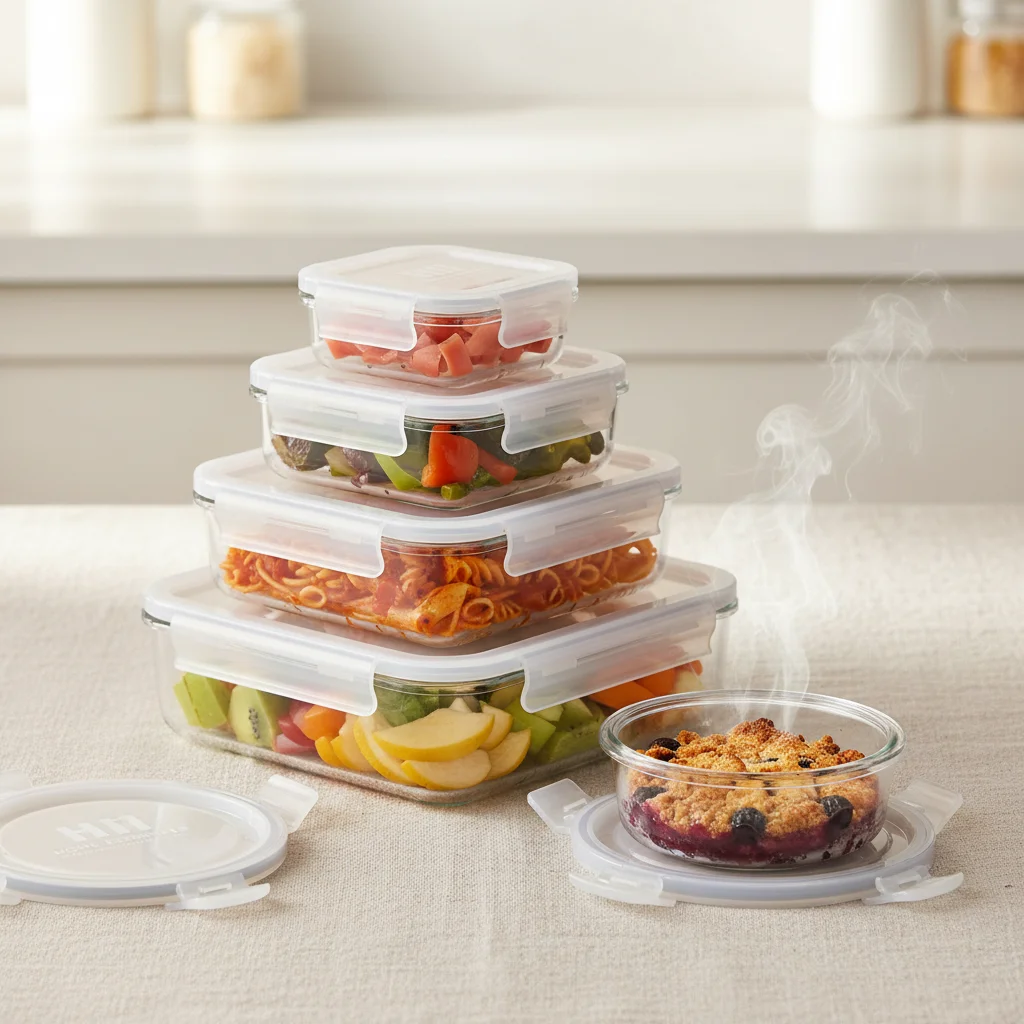
Selecting the ideal vessel for meal prep often comes down to a balance of capacity and preservation. For many professionals and home cooks, 16 oz glass food storage containers represent the "Goldilocks" zone—large enough for a standard protein portion or a dense salad, yet compact enough to optimize refrigerator real estate.
However, not all glassware is created equal. The shift toward high-borosilicate glass and vacuum-sealing technology has transformed these containers from simple boxes into active tools for extending shelf life and reducing food waste.
Whether you are sourcing for a commercial food service operation or optimizing a personal nutrition plan, understanding the material science and sealing mechanisms is critical to maintaining the nutritional integrity of your ingredients.

The Strategic Value of the 16 oz Volume Standard

In the world of portion control and meal planning, the 16 oz (approximately 473ml) capacity serves as a universal benchmark. It aligns perfectly with standard dietary portions, making it the primary choice for those tracking macronutrients or preparing office lunches that require a balance of proteins and vegetables.
Beyond the user's diet, this specific size is engineered for logistical efficiency. In professional kitchens and retail environments, 16 oz containers allow for high-density stacking without exceeding the height limits of standard industrial refrigeration units, effectively maximizing the cubic utility of cold storage.
From a material perspective, utilizing glass for this volume ensures that there is no chemical leaching into the food, a common concern with plastic alternatives. The transparency also facilitates instant inventory management, reducing the time spent searching for specific meals and minimizing the energy loss associated with keeping refrigerator doors open.
Core Engineering Factors in High-Performance Glass Storage
The performance of a glass container is defined by its thermal shock resistance and the integrity of its sealing system. High-borosilicate glass, unlike standard soda-lime glass, can withstand extreme temperature fluctuations—moving from a freezer to an oven without catastrophic failure.
The sealing mechanism is the second pillar of quality. While simple snap-locks provide a barrier against leaks, advanced vacuum technology removes oxygen entirely. By reducing the oxygen concentration, the rate of aerobic bacterial growth is slowed, and the natural oxidation of fats and vitamins is significantly delayed.
Furthermore, the geometry of the container affects its durability. Reinforced rims and flat-bottom designs ensure that the stress is distributed evenly across the glass body during heating or stacking, which is essential for products intended for long-term daily use in high-pressure environments.
Practical Application Scenarios for Diverse Dietary Needs
The versatility of 16 oz glass food storage containers makes them applicable across various lifestyle and professional contexts. For the fitness enthusiast, these containers are ideal for "bulk prepping" proteins like grilled chicken or tofu, where a 16 oz volume typically accommodates a 4-6 oz protein portion plus a side of greens.
In a corporate wellness context, these containers support "grab-and-go" nutrition. Because glass does not absorb odors or stains, it is the preferred medium for storing pungent ingredients—such as fermented kimchi or garlic-heavy dressings—without contaminating other items in a shared office refrigerator.
Additionally, they serve as excellent tools for ingredient mise-en-place. Chefs use these containers to organize pre-cut vegetables or marinated meats, ensuring that the ingredients remain separate and fresh throughout a busy shift, all while maintaining a clear view of the remaining quantity.
Comparing Vacuum Preservation vs. Traditional Airtight Seals
When evaluating preservation methods, the primary metric is the retention of sensory qualities—texture, color, and flavor. Traditional airtight containers block external contaminants, but they trap the air already inside, which continues to facilitate the oxidation process.
Vacuum-sealed systems, such as those incorporating electric pumps, actively remove this air. This creates a low-pressure environment that inhibits the growth of many common spoilage organisms and prevents the "wilting" of leafy greens by slowing down transpiration.
16 oz glass food storage containers Performance Metrics
As indicated in the performance metrics, vacuum technology shows a marked improvement in freshness retention and nutrient stability over longer durations compared to standard sealing. This makes the investment in vacuum-capable glass containers a strategic choice for those aiming to reduce weekly food waste.
Procurement Guidelines for Commercial Glassware Sourcing
For B2B buyers, the selection of a supplier for glass containers involves more than just unit price. The total cost of ownership includes the breakage rate, the compatibility of lids with dishwasher cycles, and the manufacturer's certification standards.
Key indicators of a high-quality manufacturer include certifications such as FDA and LFGB, which ensure the materials are food-safe and free from harmful additives. Furthermore, sourcing from partners with a flexible supply chain—capable of handling both R&D for custom sizes and large-scale production—reduces the risk of stock-outs during peak seasons.
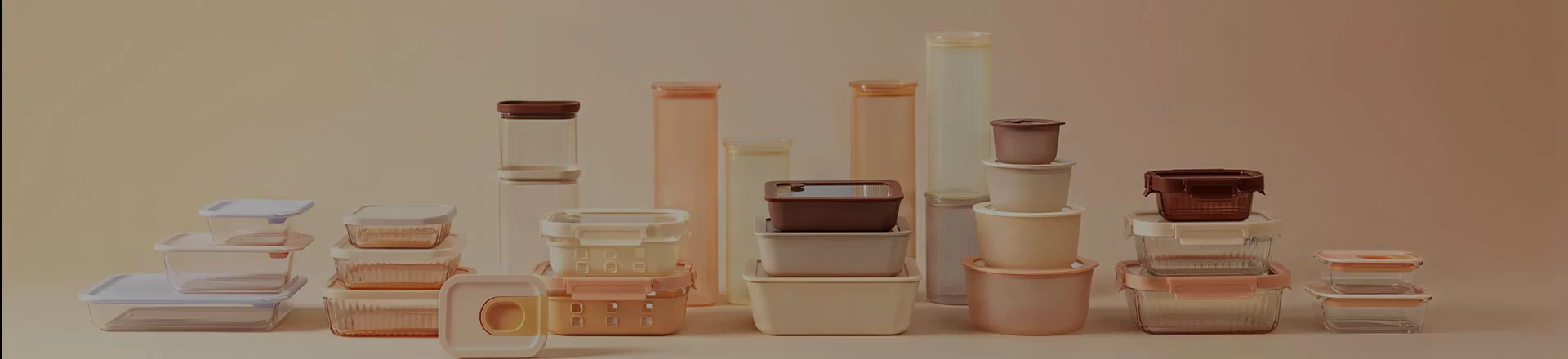
Buyers should also consider the "ecosystem" of the product. A provider that offers a full range of complementary items—from mini containers for sauces to large baking pans—allows for a unified aesthetic and functional standard across the entire kitchen operation.
Evolution of Sustainable Materials in Kitchenware Manufacturing
The kitchenware industry is undergoing a significant shift toward circularity. Glass, being 100% recyclable, is at the forefront of this movement, replacing single-use plastics and problematic polymers that contaminate the food chain with microplastics.
Innovation is now focusing on the production process itself. Reducing the carbon footprint of glass manufacturing—which traditionally requires immense heat—is being achieved through updated furnace technologies and the use of recyclable cullet. This not only lowers production emissions but also reduces the energy cost per unit.
Future trends are likely to see a deeper integration of smart technology. We may see "intelligent" lids that can monitor the internal vacuum pressure or indicate the exact date of sealing, further empowering users to manage their food consumption and minimize waste based on real-time data.
Comparative Analysis of Storage Solutions for Decision Makers
When choosing between different storage modalities, decision-makers must weigh the trade-offs between initial cost, preservation capability, and operational ease. The following analysis breaks down the most common approaches to food preservation.
While plastic is cheaper, its longevity and safety are inferior. Standard glass is a step up, but vacuum-integrated glass remains the gold standard for those prioritizing nutritional density and food waste reduction.
| Solution Type | Preservation Level | Thermal Range | Primary Use Case |
|---|---|---|---|
| Polypropylene Plastic | Low | Low to Medium | Short-term Dry Storage |
| Soda-Lime Glass | Medium | Medium | General Refrigerator Use |
| Borosilicate Glass | Medium-High | Extreme | Oven-to-Freezer Prep |
| Vacuum Glass (Manual) | High | Extreme | Extended Freshness |
| Vacuum Glass (Electric) | Ultra-High | Extreme | Professional Meal Prep |
| Stainless Steel | Medium | Medium | High-Impact Transport |
Ultimately, the choice depends on the specific requirements of the user. For those requiring the highest level of food integrity and sustainability, vacuum-sealed borosilicate glass offers the most comprehensive solution for modern kitchen management.
Frequently Asked Questions
Conclusion
The transition toward 16 oz glass food storage containers reflects a broader trend toward mindful consumption and scientific food preservation. By combining the thermal resilience of borosilicate glass with the oxidative protection of vacuum technology, users can significantly extend the utility of their ingredients while adhering to sustainable living practices.
For organizations and individuals seeking to implement a high-standard storage system, reviewing the professional capabilities and product ranges available through www.ikoo-glass.com can provide the necessary technical context to make an informed procurement decision.