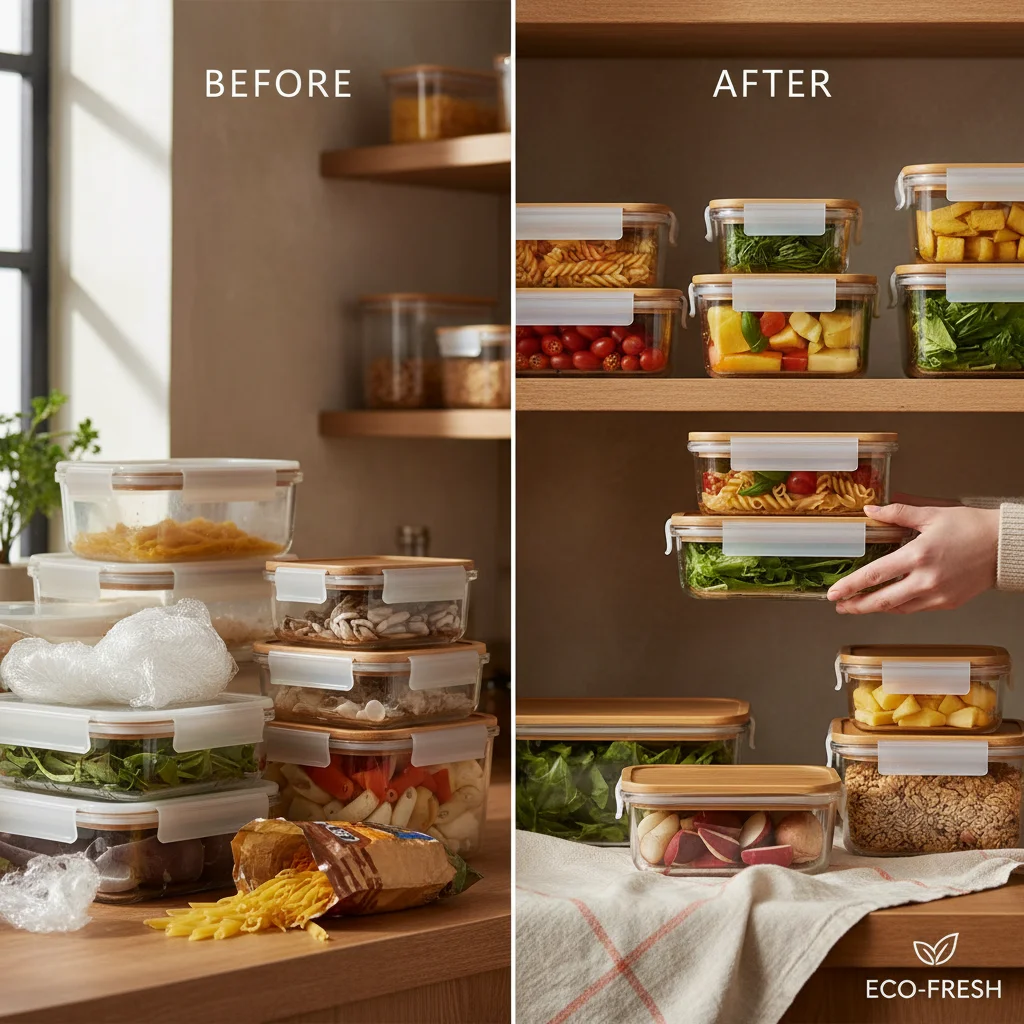
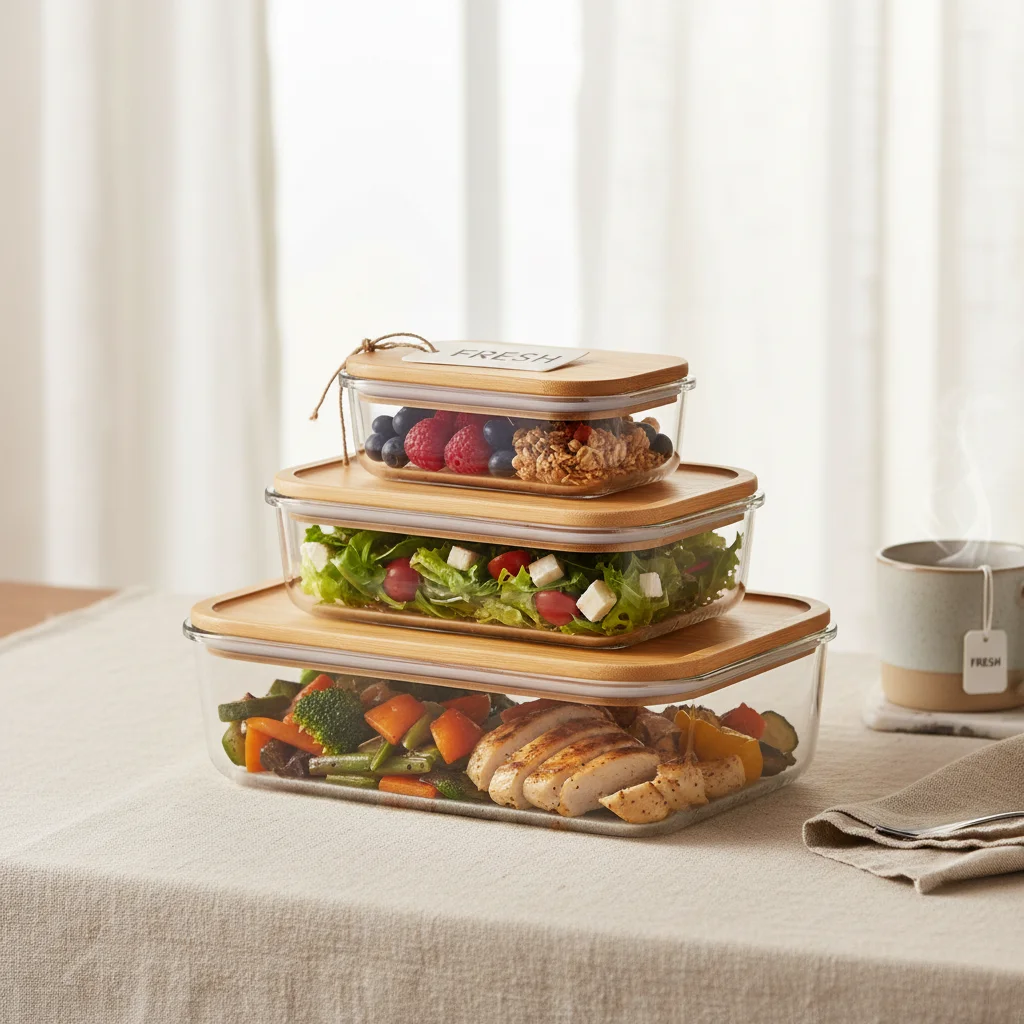
In the modern era of health-conscious living and sustainable consumption, the demand for high-quality food storage has shifted dramatically toward materials that offer both safety and versatility. Using glass food storage containers microwave safe has become a cornerstone for households aiming to reduce plastic waste while ensuring that their meal preparation process remains non-toxic. These containers bridge the gap between preparation and consumption, allowing users to transition from the refrigerator to the microwave without the risk of chemical leaching.
From a global perspective, the transition toward borosilicate and tempered glass solutions reflects a broader commitment to environmental stewardship and personal wellbeing. As consumers become more aware of the endocrine-disrupting chemicals found in certain plastics, the reliability of glass—which is naturally inert and non-porous—provides a sense of security. This trend is not merely a domestic preference but a global industrial shift toward durable, reusable, and heat-resistant kitchenware.
Understanding the technical nuances of what makes these containers microwave-safe is essential for maximizing their lifespan and ensuring food safety. Whether it is the coefficient of thermal expansion or the quality of the airtight seal, the engineering behind glass food storage containers microwave safe ensures that they can withstand rapid temperature changes. This guide explores the industry standards, practical applications, and future innovations that make glass the gold standard for modern food storage.
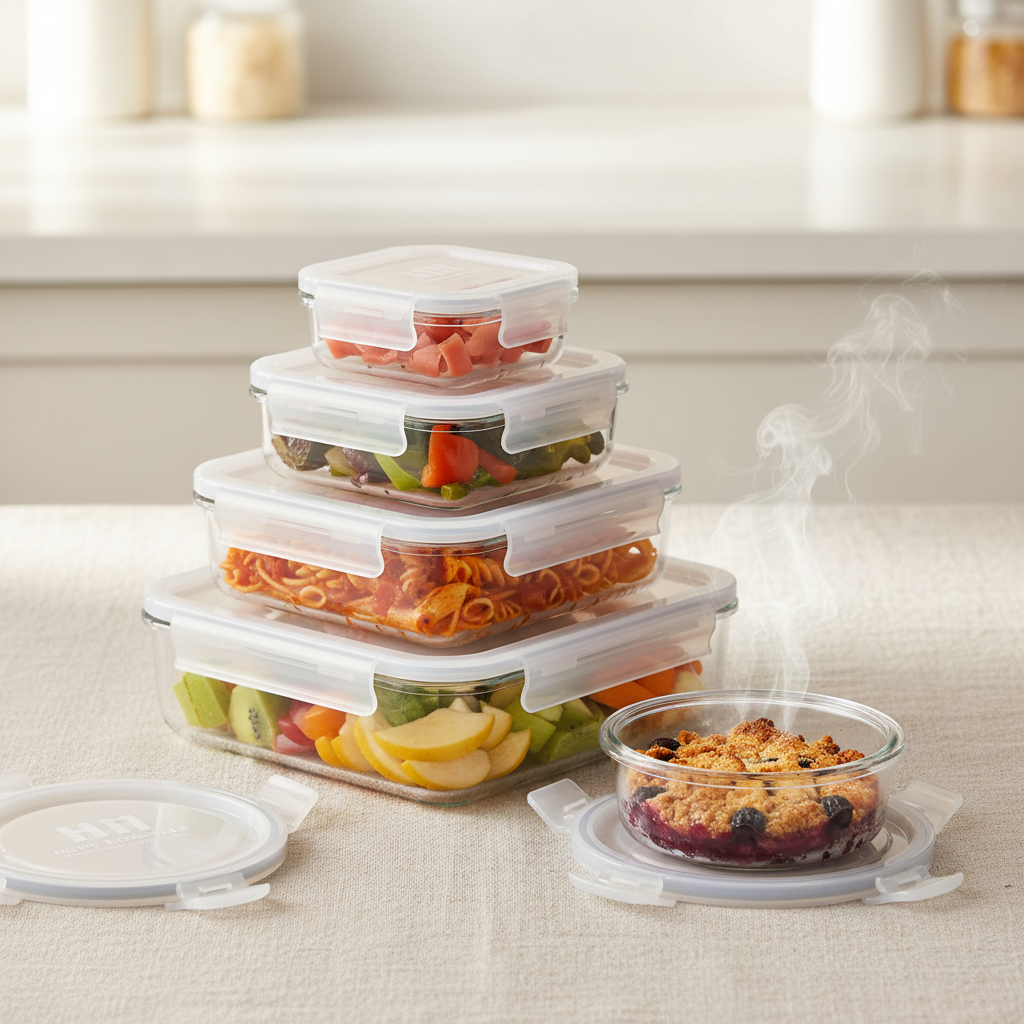
The Technical Composition of Microwave Safe Glass
The primary distinction of glass food storage containers microwave safe lies in their chemical composition, specifically the use of borosilicate glass or high-tempered soda-lime glass. Borosilicate glass incorporates boron trioxide, which significantly lowers the coefficient of thermal expansion. This means the glass does not expand or contract as violently when exposed to extreme temperature swings, preventing the internal stress that typically leads to cracking or "shattering" during the heating process.
From a manufacturing standpoint, the process involves precise annealing—a controlled cooling process that removes internal stresses from the glass. This structural integrity ensures that when microwave radiation excites water molecules in the food, the resulting heat is distributed evenly across the container walls. This technical foundation is what allows these containers to be used safely for reheating, steaming, and long-term preservation.
Global Industry Standards and Safety Certifications
To ensure that glass food storage containers microwave safe meet international health standards, manufacturers adhere to strict guidelines set by organizations such as the FDA (USA), EFSA (European Food Safety Authority), and ISO. These certifications guarantee that the glass is lead-free and cadmium-free, ensuring that no toxic elements migrate into food, even at high temperatures. The "microwave safe" label is not just a marketing term but a result of rigorous thermal cycling tests.
In the global marketplace, ISO 9001 quality management systems are often employed to maintain consistency in the thickness and purity of the glass. This prevents "weak spots" in the container walls that could fail under the pressure of expanding steam or sudden heat. By following these global benchmarks, the industry ensures that consumers receive products that are not only functional but fundamentally safe for daily dietary needs.
Furthermore, the integration of food-grade silicone or BPA-free plastic for the lids is a critical part of the safety ecosystem. While the glass body handles the heat, the lids must be designed to vent steam or be removed entirely during microwaving. The synergy between the high-thermal-resistance glass and the non-toxic sealing materials creates a comprehensive solution for safe food handling across different cultures and regulatory environments.
Key Factors Influencing Thermal Shock Resistance
Thermal shock occurs when a material experiences a rapid change in temperature, causing different parts of the object to expand or contract at different rates. For glass food storage containers microwave safe, the key to resisting this phenomenon is the material's thermal conductivity and expansion coefficient. High-quality borosilicate glass is engineered to minimize this differential, allowing a container to move from a cold fridge to a warm microwave with minimal risk.
One of the most critical factors is the uniform wall thickness of the container. If a glass container has inconsistent thickness, the thinner areas will heat up faster than the thicker sections, creating localized stress points. Professional-grade glass food storage containers microwave safe utilize advanced molding technology to ensure a consistent profile, which distributes heat evenly and drastically reduces the likelihood of breakage.
Additionally, the surface finish of the glass plays a role in its durability. Polished, scratch-free surfaces are less prone to failure because scratches act as "stress concentrators" where cracks can easily initiate. Regular maintenance and the use of non-abrasive cleaning tools help maintain the structural integrity of these containers, ensuring they remain a safe choice for microwave use over many years of service.
Comparative Performance of Glass Storage Materials
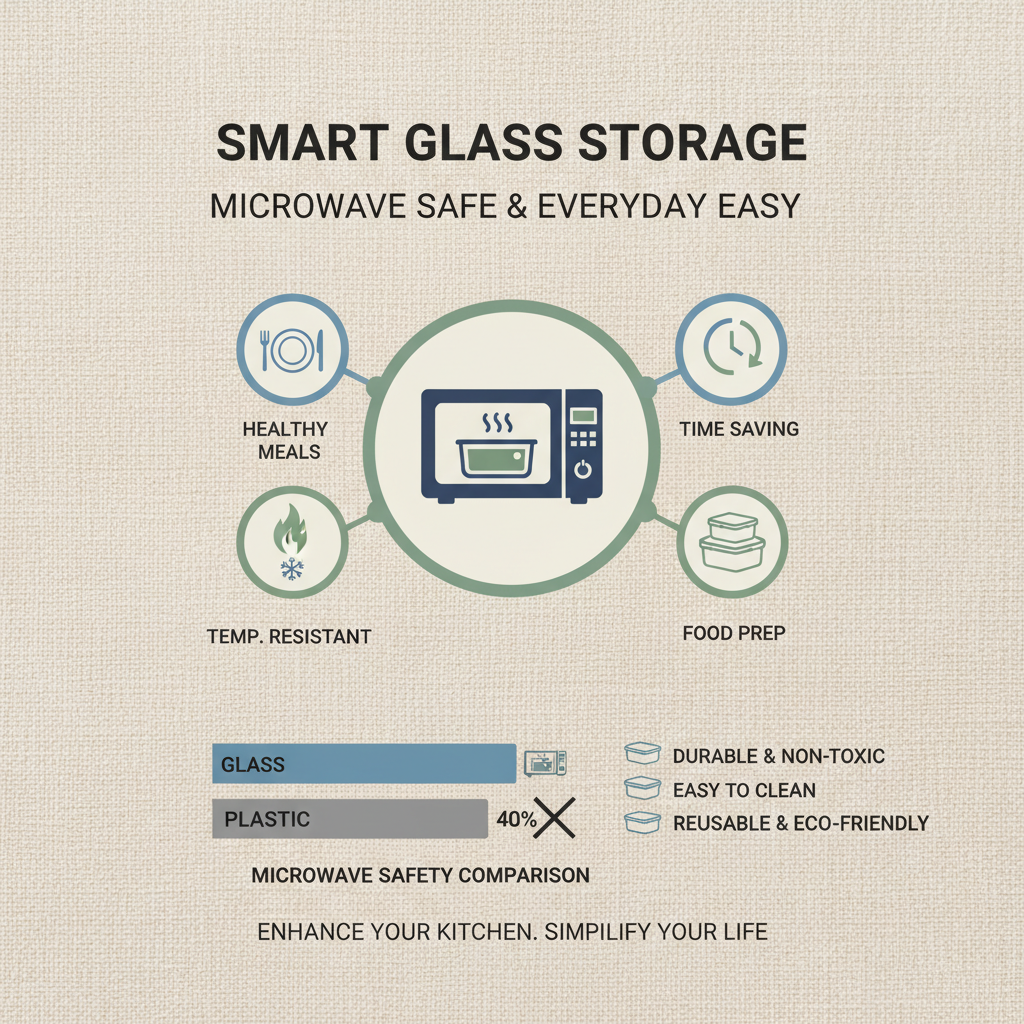
When analyzing the effectiveness of glass food storage containers microwave safe, it is helpful to compare them against traditional plastics and ceramic alternatives. Glass outperforms plastics in terms of chemical stability, as it does not leach phthalates or BPA when heated. While ceramics are also heat-resistant, glass offers the advantage of transparency, allowing for easier inventory management and food identification in professional kitchens.
The performance of these containers is often measured by their ability to maintain food flavor and nutritional value. Because glass is non-reactive, it does not absorb odors or stains from acidic foods like tomato sauce, which is a common failure point for plastic containers. This makes glass an indispensable tool for those who prioritize both purity and convenience in their meal prep routines.
Material Performance Comparison for Microwave Safe Storage
Global Applications in Professional and Home Kitchens
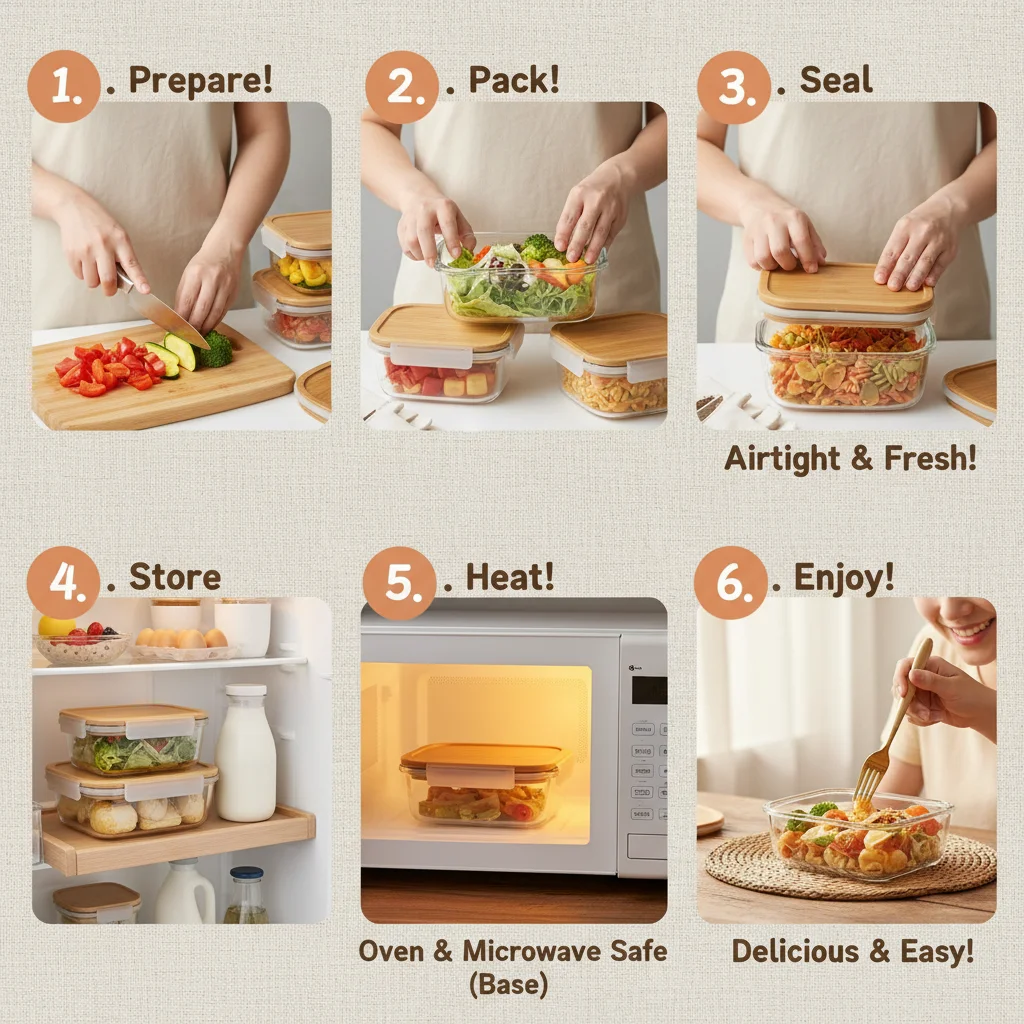
In professional culinary environments, glass food storage containers microwave safe are utilized for "mise en place" and batch cooking. Commercial kitchens in Europe and North America rely on these containers to prep ingredients in bulk, store them in walk-in coolers, and quickly reheat portions for service without switching vessels. This efficiency reduces waste and maintains a high standard of hygiene.
For the home consumer, the application is centered around the "meal prep" movement. By using glass containers that can transition from the freezer to the microwave, users can maintain a healthy diet throughout the work week. This is particularly prevalent in urban centers where time-constrained professionals seek a balance between convenience and the avoidance of processed, plastic-packaged meals.
Sustainability and the Long-Term Value of Glass
The long-term value of investing in glass food storage containers microwave safe extends beyond individual health to global environmental impact. Plastic containers often degrade over time, becoming scratched and absorbing bacteria, which leads to frequent replacement and an increase in landfill waste. Glass, conversely, is infinitely recyclable and maintains its structural integrity for decades if handled properly.
From an economic perspective, while the initial cost of glass is higher than plastic, the cost-per-use is significantly lower. The durability of high-thermal-resistance glass means a single set can last a lifetime. This shift toward "slow consumption" aligns with the Circular Economy goals promoted by the UN, encouraging a move away from disposable culture toward high-quality, permanent goods.
Moreover, the psychological value of using glass—its clarity, weight, and perceived purity—enhances the dining experience. There is a tangible sense of dignity and care in presenting food in glass, which reinforces the emotional connection between healthy eating and sustainable living.
Future Trends in Heat-Resistant Glassware Engineering
The future of glass food storage containers microwave safe is being shaped by advances in material science and digital manufacturing. We are seeing the emergence of "nano-glass" coatings that can further enhance thermal shock resistance while making the surfaces completely hydrophobic, ensuring that food residue slides off effortlessly. This reduces the need for harsh chemical detergents, adding another layer of sustainability.
Automation in the manufacturing process is also allowing for more complex designs, such as integrated venting systems in the glass itself, reducing the reliance on plastic lids for steam release. Furthermore, the integration of smart-glass technology—which could potentially indicate the internal temperature of the food via color change—is on the horizon, bringing a new level of precision to microwave reheating.
As global policies tighten around single-use plastics, the industry is also pivoting toward eco-friendly packaging for the containers themselves. The goal is a fully "green" lifecycle: from the sustainable mining of silica to the eventual recycling of the glass, ensuring that the product serves the user and the planet equally.
Comparative Analysis of Glass Storage Technologies
|
Glass Type
|
Thermal Resistance
|
Durability Score
|
Eco-Impact
|
| Borosilicate Glass |
Extreme (High ΔT) |
9/10 |
Excellent |
| Tempered Soda-Lime |
Moderate to High |
8/10 |
Very Good |
| Standard Glass |
Low (Risk of Crack) |
5/10 |
Good |
| Coated Glass |
High |
9/10 |
Excellent |
| Double-Wall Glass |
Moderate |
6/10 |
Very Good |
| Opal Glass |
High |
7/10 |
Good |
FAQS
Microwave-safe glass, typically borosilicate or tempered glass, has a very low coefficient of thermal expansion. Regular glass expands unevenly when heated, which creates internal stress and leads to cracking. Microwave-safe versions are engineered to handle rapid temperature changes (thermal shock) without breaking, ensuring they can safely transition from cold storage to high heat.
It depends on the lid material. Most glass containers come with plastic or silicone lids. You should never seal the container airtight in the microwave, as steam buildup can cause the lid to pop or the container to crack. Always leave the lid slightly ajar or use a microwave-safe cover to allow steam to escape while preventing food splatters.
Borosilicate glass is generally superior for extreme temperature shifts (like oven to freezer) due to its chemical composition. Tempered soda-lime glass is very strong and resistant to impact but slightly more susceptible to thermal shock than borosilicate. For most microwave and fridge use, both are excellent, but borosilicate is the gold standard for versatility.
Look for a "microwave safe" symbol (usually three wavy lines) or a text label on the bottom of the container. If you are unsure, you can perform a simple test: microwave the empty container next to a glass of water for 30 seconds. If the glass remains cool while the water gets hot, it is microwave-safe. If the glass itself becomes hot, it is absorbing microwave energy and is not safe.
No, one of the biggest advantages of glass is that it is non-porous. Unlike plastic, glass does not absorb oils, pigments, or smells from foods like garlic or curry. This makes them more hygienic and ensures that the taste of your current meal isn't affected by whatever was stored in the container previously.
Yes, significantly. Glass is made from abundant natural materials (silica sand) and is 100% recyclable without loss of quality. Because it is more durable and doesn't degrade like plastic, it reduces the volume of waste sent to landfills. Additionally, it eliminates the risk of microplastics entering your food during the heating process.
Conclusion
In summary, the adoption of glass food storage containers microwave safe represents a vital intersection of health, convenience, and environmental responsibility. By leveraging materials like borosilicate glass and adhering to rigorous global safety standards, these containers provide a non-toxic alternative to plastics, ensuring that the modern fast-paced lifestyle does not come at the expense of long-term wellbeing. The technical ability to withstand thermal shock, combined with the non-porous nature of glass, makes it the most reliable choice for sustainable meal management.
Looking forward, the continued evolution of glass engineering—from nano-coatings to integrated smart features—will further cement glass as the premier material for the kitchen of the future. We encourage consumers and professional chefs alike to transition away from disposable plastics and invest in high-quality glass solutions that offer lasting value and peace of mind. To discover a wide range of premium, heat-resistant storage solutions, visit our website: www.ikoo-glass.com.