Choosing the Right Glass Dry Food Storage Containers for Your Kitchen
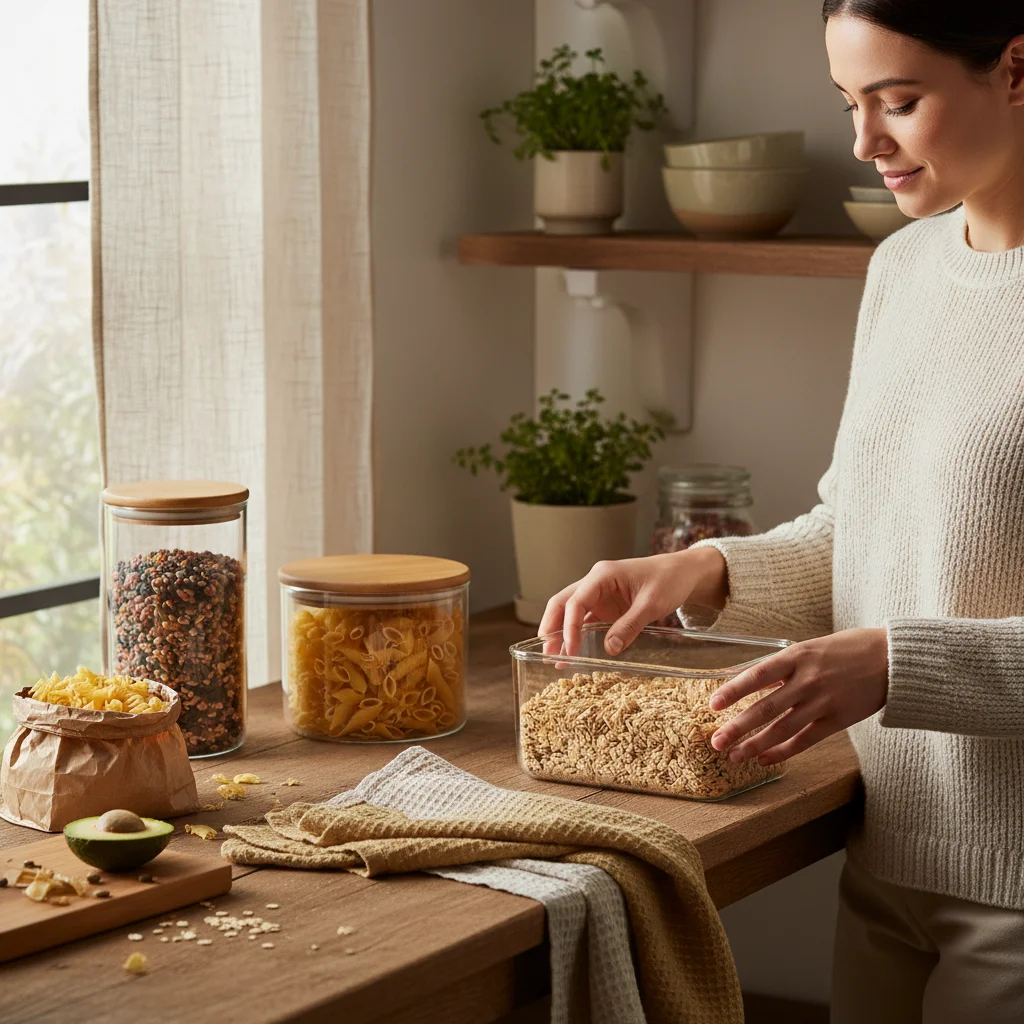
Maintaining a well-organized and efficient kitchen is essential for any home chef or busy household. A key component of this organization is utilizing quality glass dry food storage containers. Not only do they preserve the freshness of your ingredients, but they also offer a more sustainable and aesthetically pleasing alternative to plastic containers. This article will explore the benefits of glass storage, what to look for when choosing containers, and how to best utilize them in your kitchen. We'll cover everything from airtight seals to different size options to ensure you find the perfect fit for your needs.
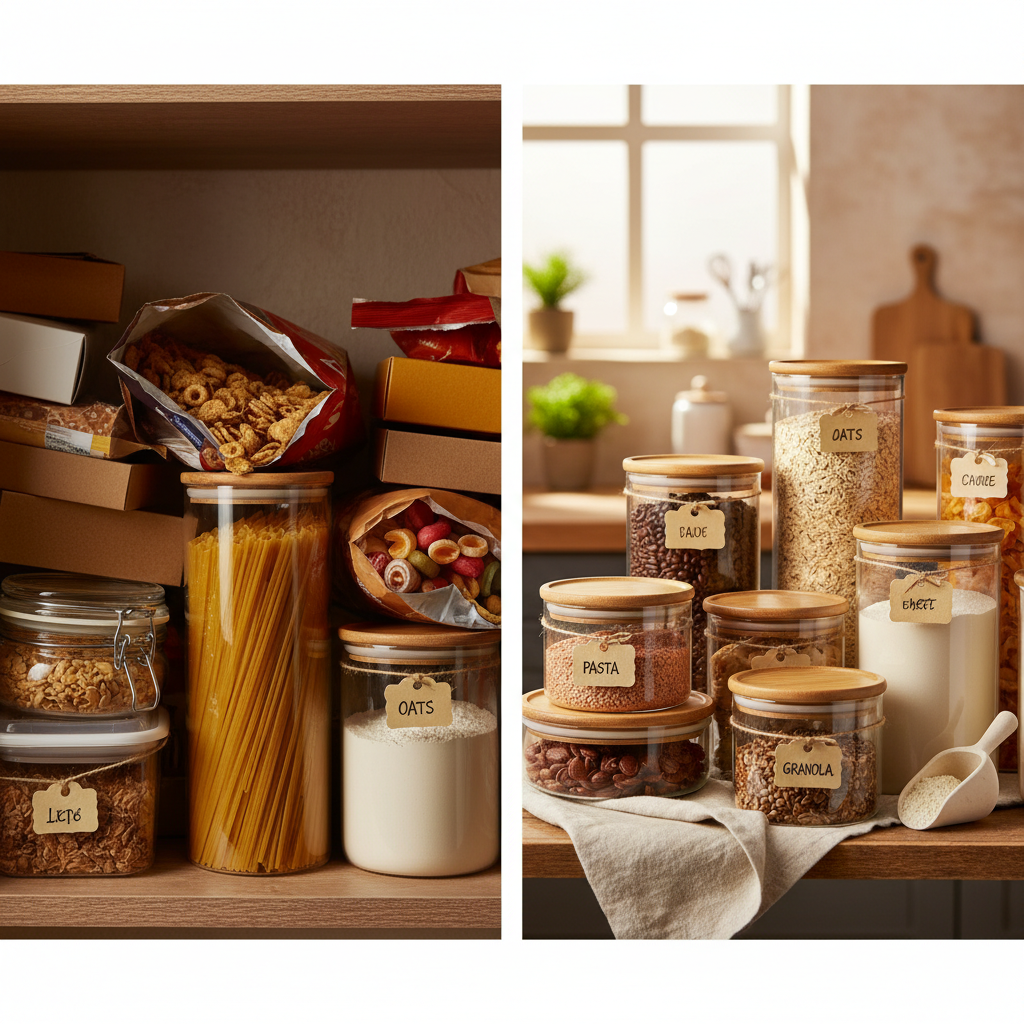
The Benefits of Glass Dry Food Storage Containers
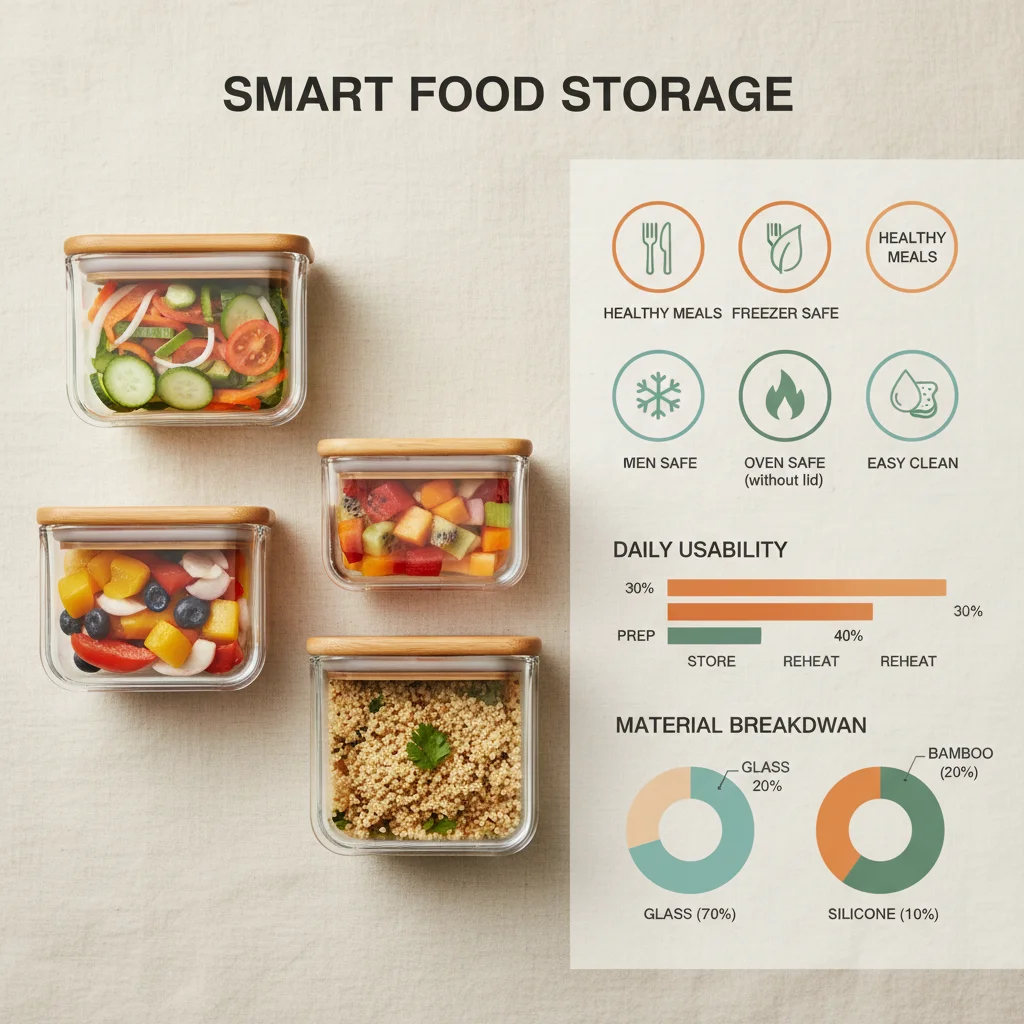
Compared to plastic containers, glass offers several significant advantages. Firstly, glass is non-porous, meaning it doesn't absorb odors, stains, or flavors from the foods stored within. This ensures your ingredients retain their original taste and aroma. Secondly, glass is a much more sustainable option, as it’s recyclable and doesn’t leach harmful chemicals into your food, unlike some plastics. Finally, glass containers are visually appealing, allowing you to easily see the contents and adding a touch of elegance to your pantry. They also withstand temperature changes, making them suitable for both pantry and refrigerator storage. Investing in high-quality glass containers is an investment in your health, your kitchen organization, and the environment.
Key Highlights: Glass is non-porous, sustainable, visually appealing, and safe for food storage. It doesn’t absorb odors, stains, or flavors, ensuring ingredient freshness.
What to Look For: Features of Quality Glass Food Storage Containers
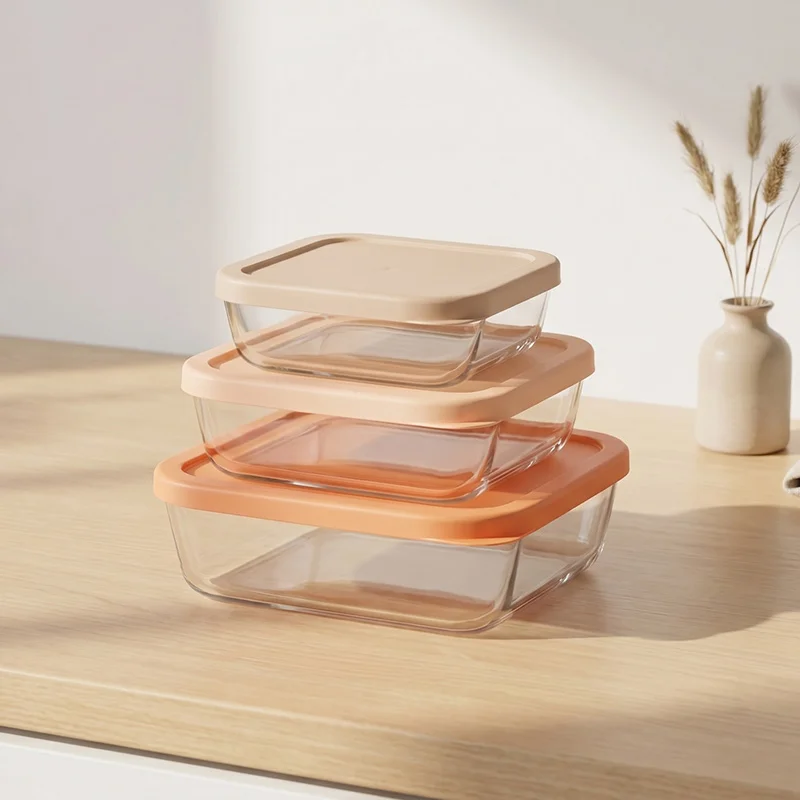
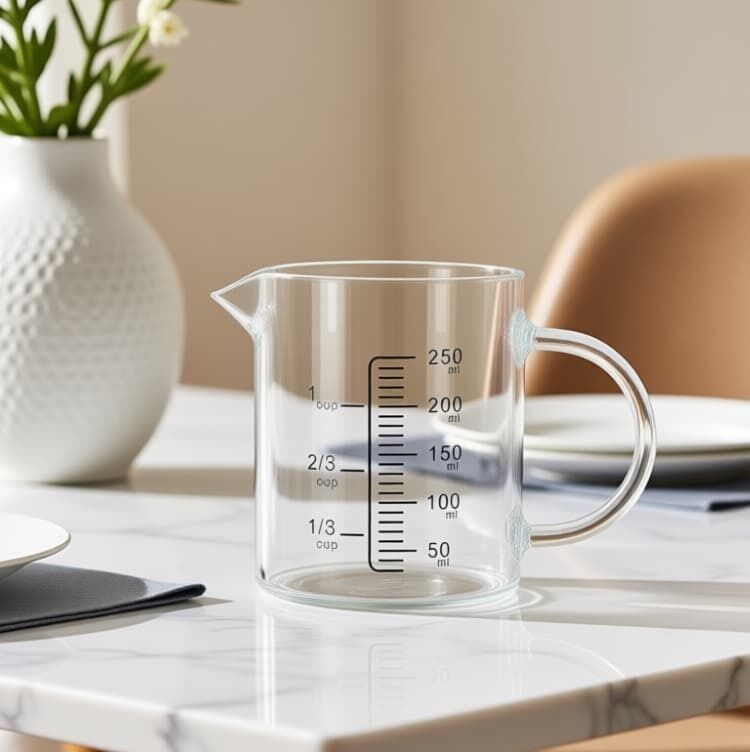
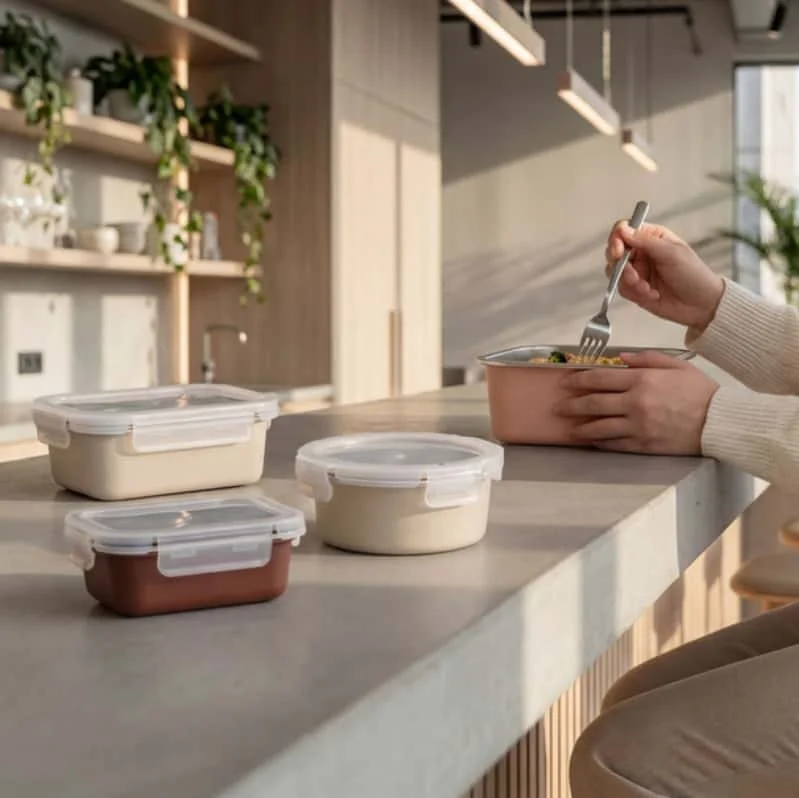
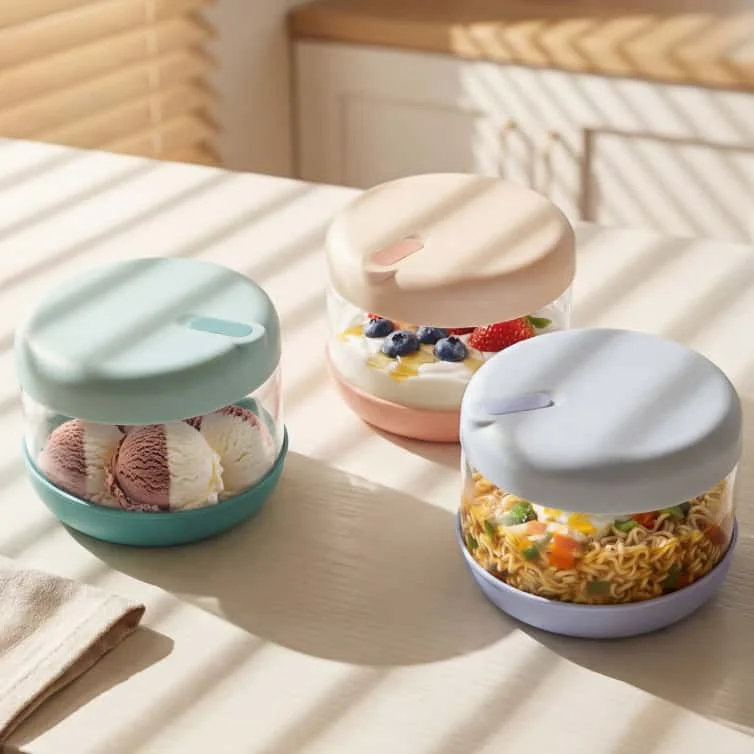
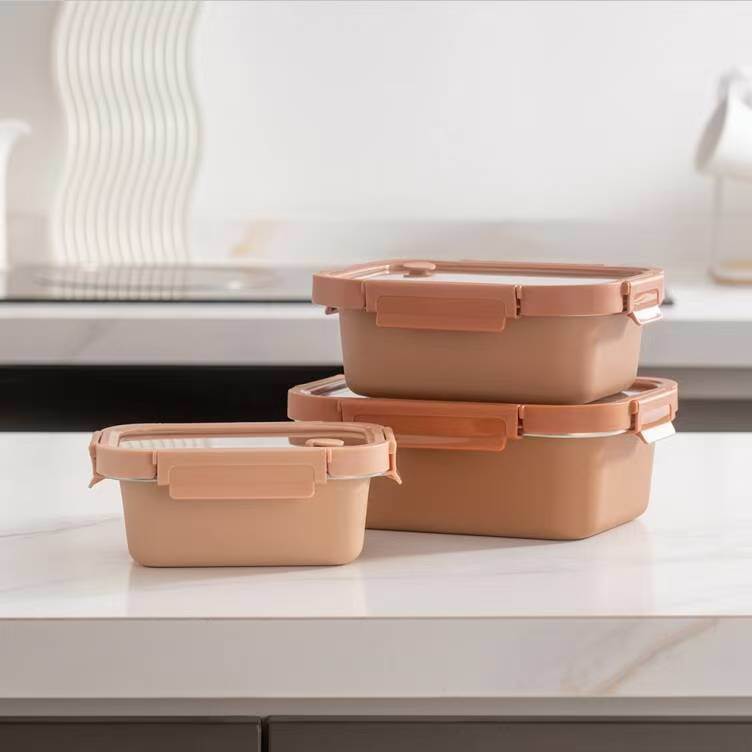
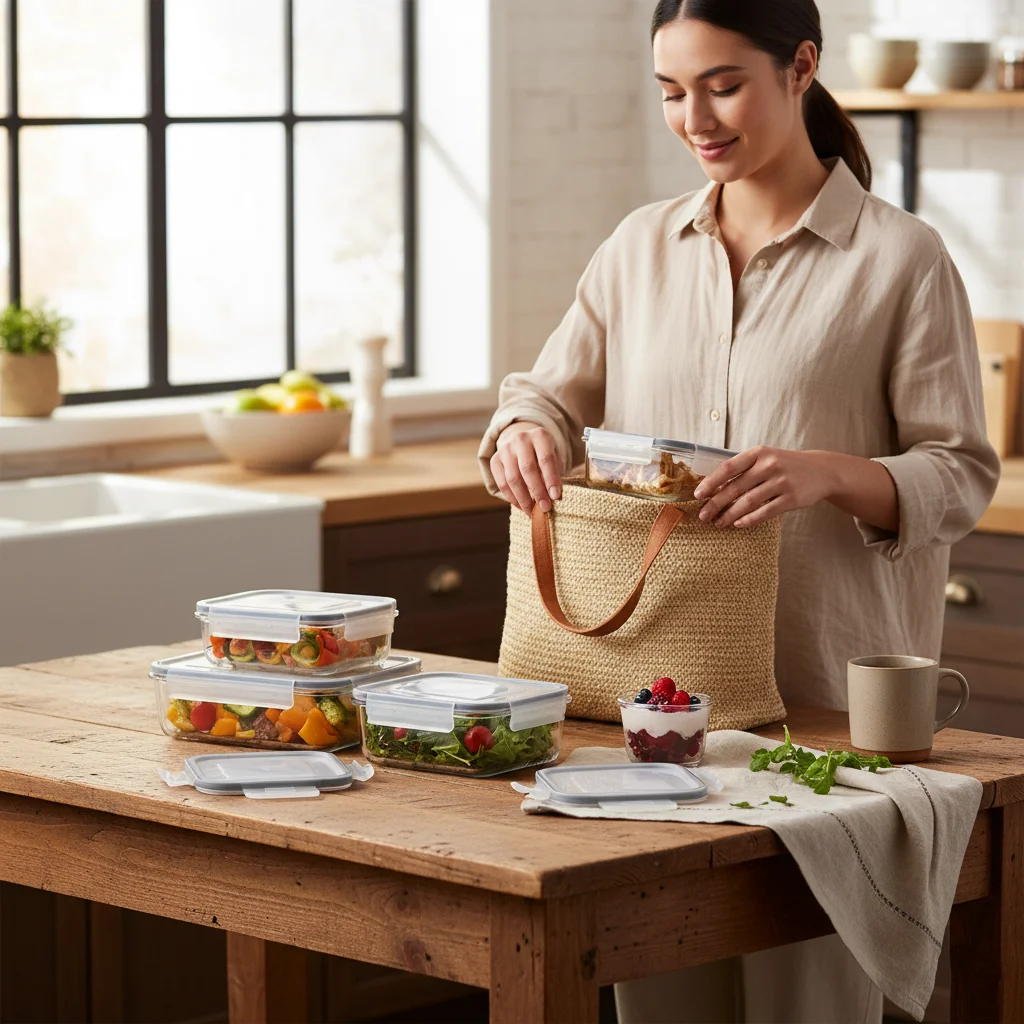
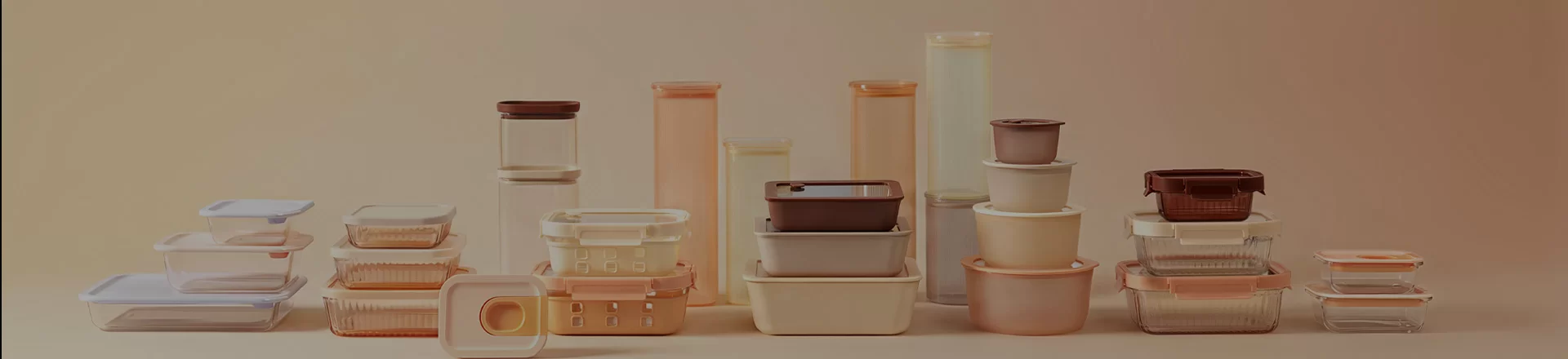
When selecting glass dry food storage containers, several features are crucial. An airtight seal is paramount for maintaining freshness and preventing spoilage. Look for containers with silicone gaskets or clamp-down lids that create a secure closure. The type of glass is also important; borosilicate glass is highly resistant to thermal shock, making it safe for transferring between refrigerator and room temperature. Consider the shape and size of the containers based on the types of foods you typically store. A variety of sizes is ideal for accommodating everything from small spices to large quantities of grains. Finally, check if the containers are dishwasher safe for easy cleaning. Ikoo glass containers are a great example of products that combine all of these features.
Essential Features:
• Airtight Seal
• Borosilicate Glass
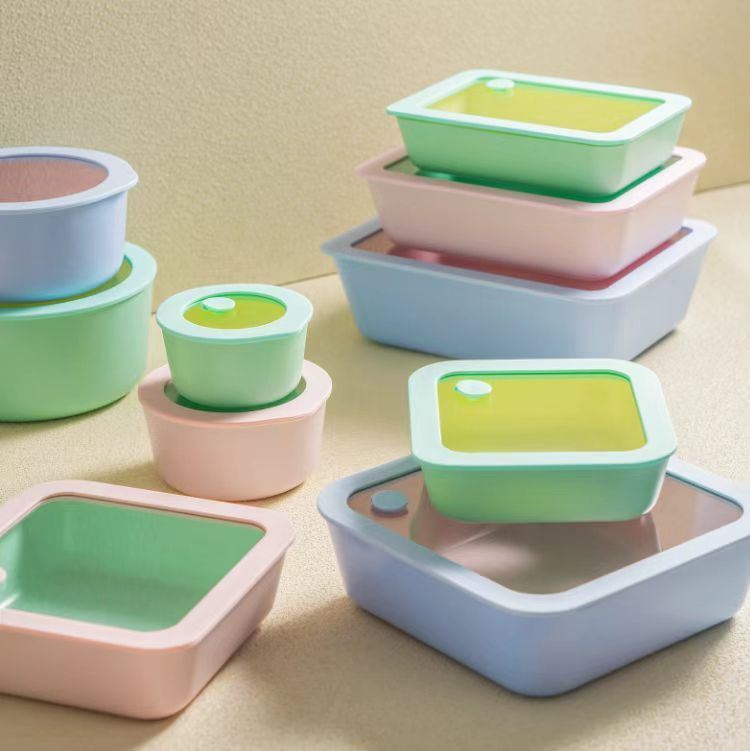
• Variety of Sizes
• Dishwasher Safe
Glass Dry Food Storage Containers: Comparing Materials and Lids
Not all glass containers are created equal. The type of glass and lid material significantly impact their performance and durability. Borosilicate glass is the preferred choice due to its resistance to thermal shock, while soda-lime glass is more affordable but less durable. Lid materials vary, including plastic, stainless steel, and silicone. Stainless steel lids offer excellent durability and a sleek aesthetic, while silicone lids provide a flexible and airtight seal. Plastic lids are the most common but may not be as durable or sustainable. Consider your priorities when choosing between these materials.
Maximizing Freshness: Tips for Using Glass Food Storage Containers
To get the most out of your glass containers, follow these tips. Always ensure food is completely cool before storing it in the containers. This prevents condensation buildup, which can lead to spoilage. Label containers with the contents and date for easy identification. Utilize the different sizes to match the quantity of food, minimizing air exposure. Regularly check the seals to ensure they are intact and providing an airtight closure. Store containers in a cool, dry place away from direct sunlight. With proper care, your glass containers will last for years, keeping your food fresh and your kitchen organized.
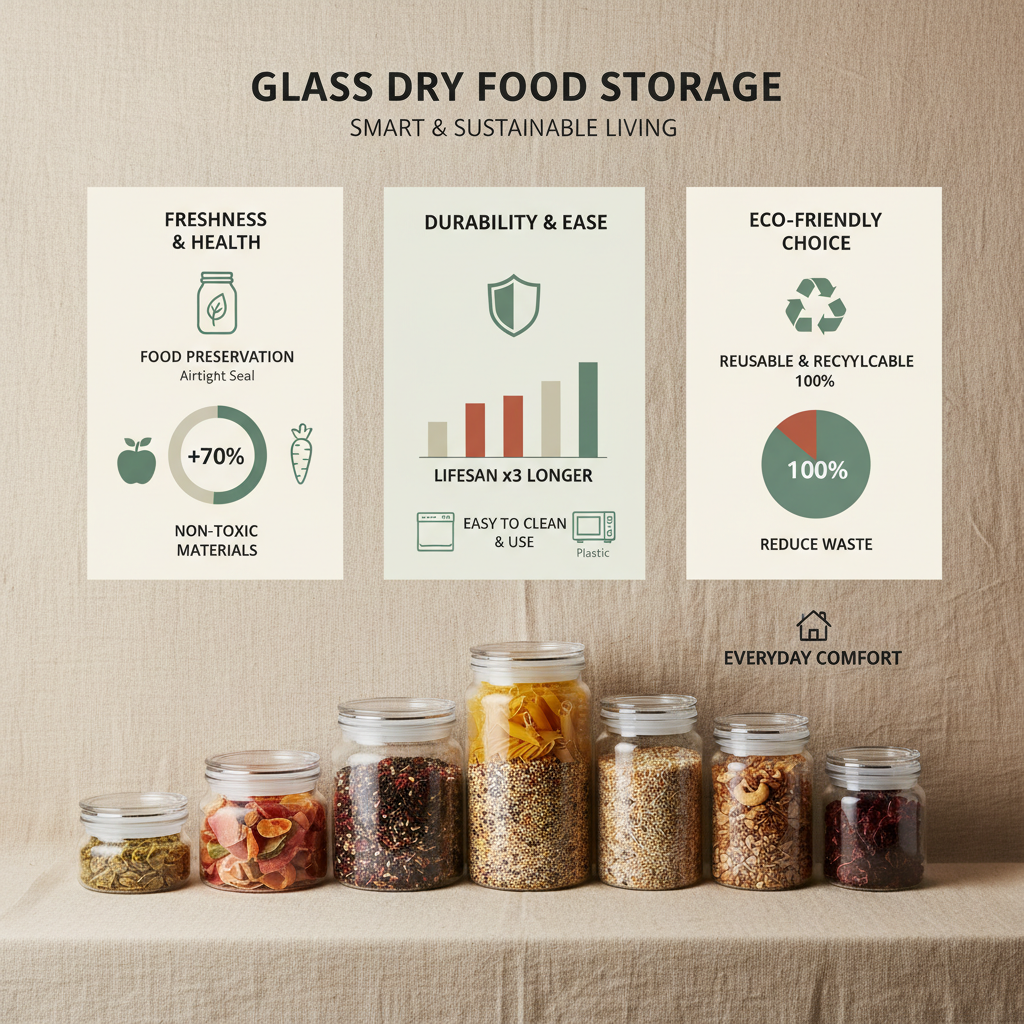
Ikoo Glass Containers: Product Specifications
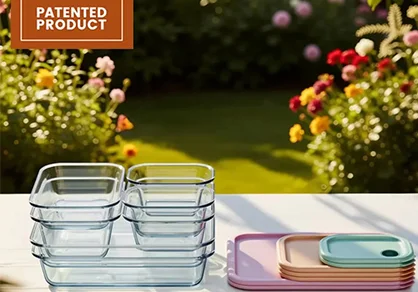
Ikoo Glass offers a variety of high-quality glass storage containers designed for optimal freshness and organization. Here's a look at some key specifications:
Conclusion: Elevate Your Kitchen with Glass Storage
Investing in glass dry food storage containers is a simple yet impactful way to enhance your kitchen organization, food preservation, and overall well-being. From their durability and sustainability to their aesthetic appeal, glass containers offer a superior alternative to plastic. Choose quality containers with airtight seals and borosilicate glass for the best results.
Frequently Asked Questions (FAQs)
Are glass containers safe for freezing food?
Yes, borosilicate glass containers are generally safe for freezing food, but it's crucial to leave some headspace in the container to allow for expansion as the food freezes. Avoid filling the container completely to prevent cracking. Also, avoid taking a frozen glass container directly from the freezer and placing it into a hot oven, as the sudden temperature change could cause it to shatter. Always allow the container to thaw partially before heating.
How do I clean glass containers with stubborn food residue?
For stubborn food residue, try soaking the container in warm, soapy water for several hours or overnight. If the residue persists, you can create a paste of baking soda and water and gently scrub the affected area. Avoid using abrasive cleaners or scouring pads, as they can scratch the glass. For really tough stains, a vinegar and water solution can also be effective.
What's the best way to store glass containers to prevent breakage?
To prevent breakage, store glass containers in a way that minimizes the risk of impact. Avoid stacking them too high or placing heavy objects on top. You can use shelf liners or padded dividers to provide extra cushioning. Storing containers with lids securely fastened also helps to prevent accidental knocking over.