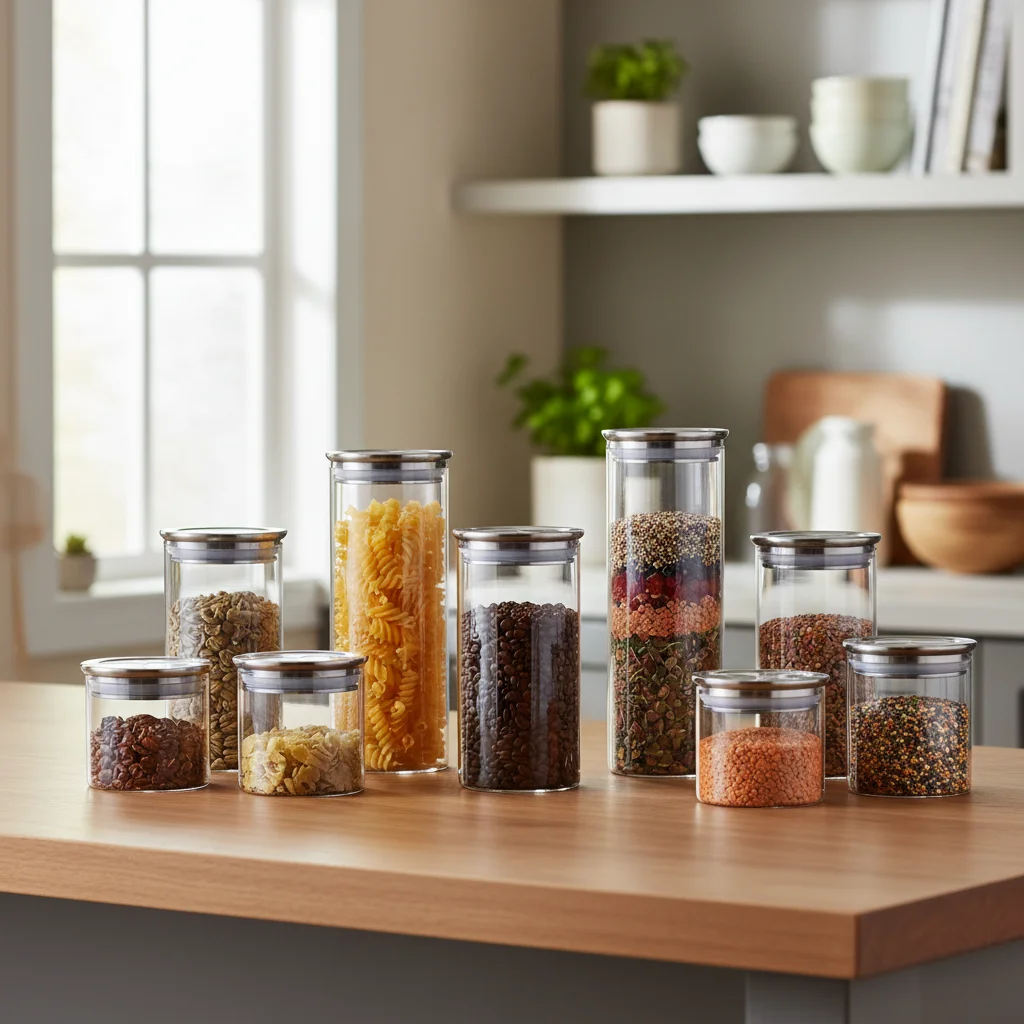
Glass airtight food storage containers are becoming increasingly vital in today’s world, driven by a growing awareness of food waste, a desire for healthier lifestyles, and a demand for sustainable practices. From minimizing spoilage to preserving freshness and reducing reliance on single-use plastics, these containers offer a practical solution to numerous contemporary challenges. Their versatility extends beyond the kitchen, impacting meal prepping, organization, and even eco-conscious living.
Globally, the market for food storage containers is experiencing significant growth, projected to reach billions of dollars in the coming years. This demand is fueled by factors like increasing disposable incomes, urbanization, and a shift towards convenience foods. However, the emphasis is shifting towards materials that are not only functional but also environmentally responsible. This is where glass airtight food storage containers shine, offering a durable, non-toxic, and reusable alternative to plastic options.
Understanding the nuances of glass airtight food storage containers – from material composition and sealing mechanisms to practical applications and long-term benefits – is crucial for consumers, businesses, and environmental advocates alike. Choosing the right container can significantly impact food preservation, reduce environmental impact, and contribute to a more sustainable future.
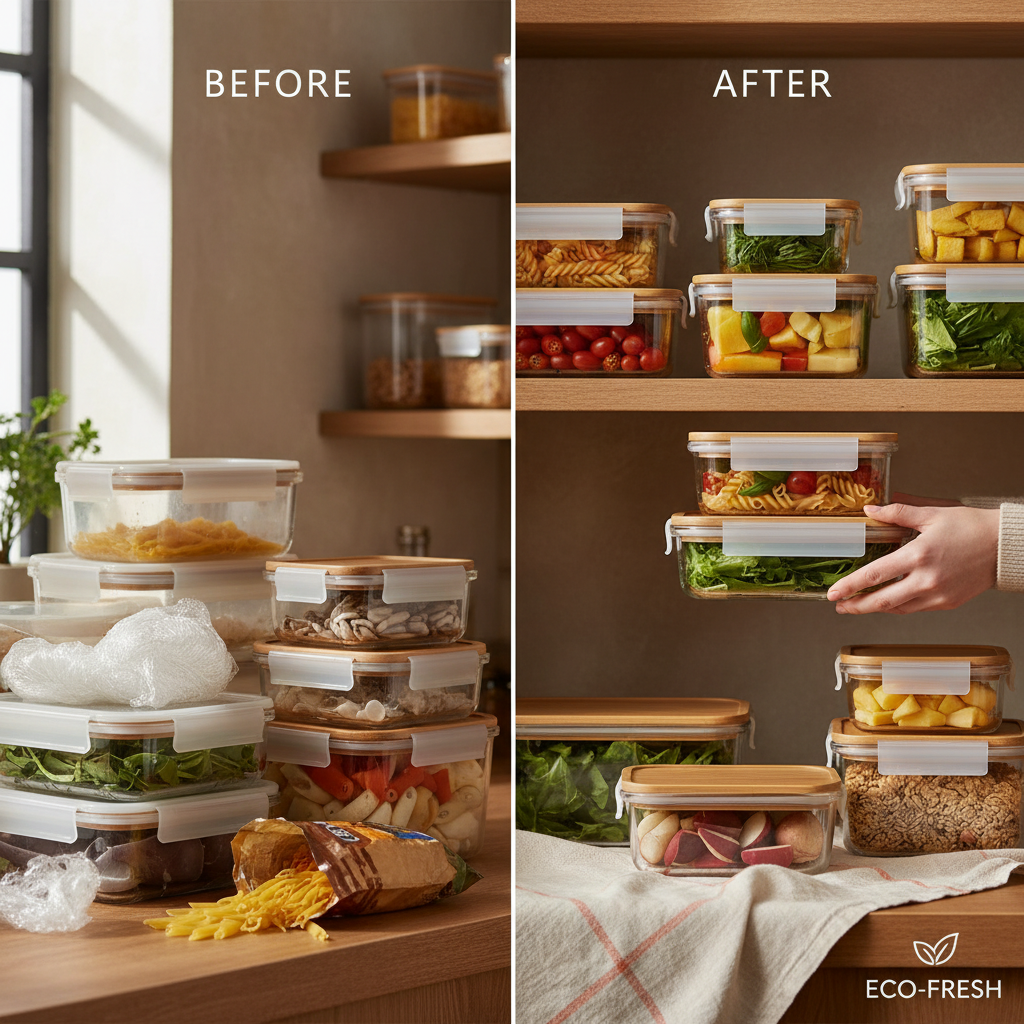
The Importance of Glass Airtight Food Storage Containers
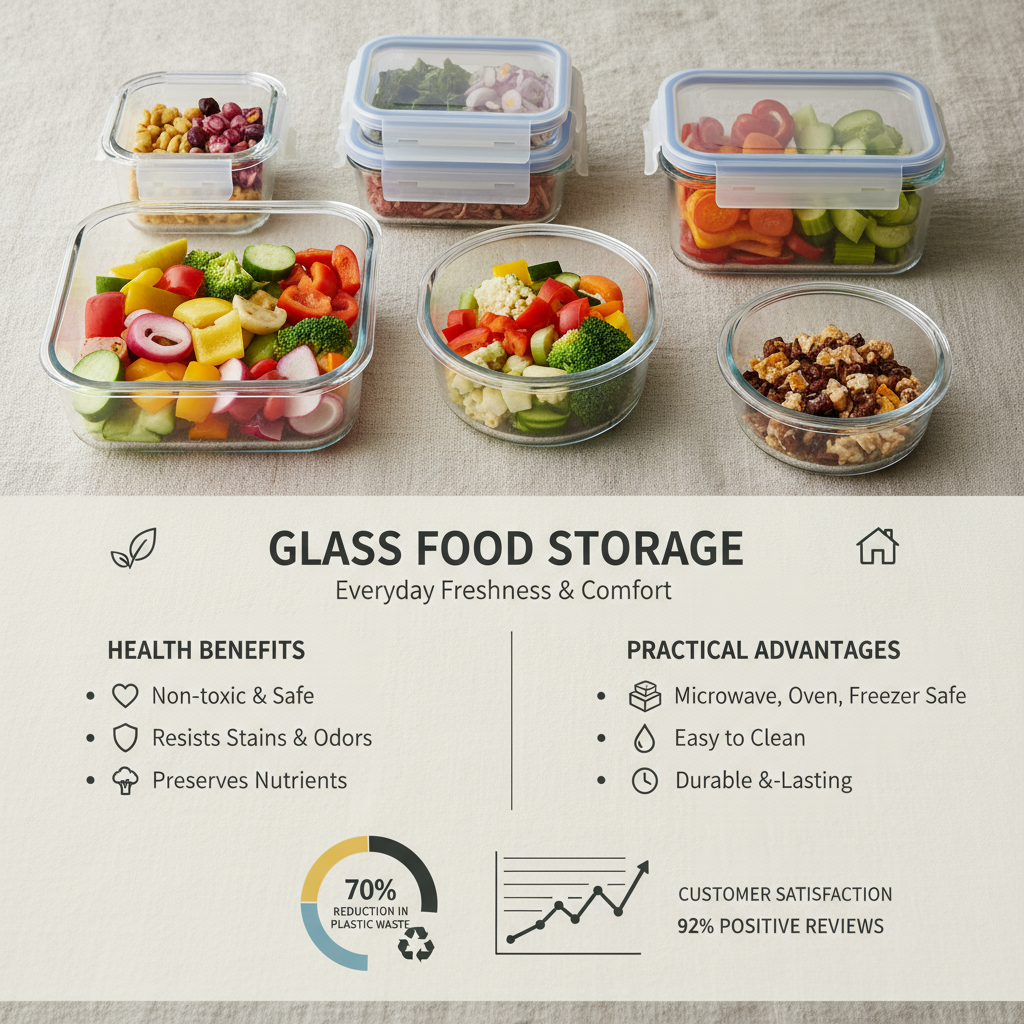
The shift towards glass airtight food storage containers represents more than just a kitchen upgrade; it’s a conscious choice for a healthier planet and lifestyle. Traditional plastic containers often leach chemicals into food and contribute significantly to plastic waste. Glass, on the other hand, is non-porous, doesn’t react with food, and is infinitely recyclable, making it a safer and more sustainable option. glass airtight food storage containers help extend the lifespan of your food.
The airtight seals are crucial, not only for preserving freshness but also for preventing the growth of bacteria and mold. This is especially important for sensitive foods like leftovers, produce, and homemade preserves. Properly sealed containers can significantly reduce food waste, saving consumers money and lessening the environmental impact associated with food production and disposal.
Defining Glass Airtight Food Storage Containers
Glass airtight food storage containers are vessels designed to store food while maintaining a sealed environment, preventing air and moisture from entering. They are typically constructed from soda-lime glass or borosilicate glass, both known for their durability and resistance to temperature changes. The "airtight" quality is achieved through various sealing mechanisms, most commonly silicone gaskets or clamps that create a secure barrier.
These containers differ significantly from traditional plastic containers in several key ways. Unlike plastic, glass doesn’t absorb odors or stains, making it ideal for storing flavorful foods like spices and sauces. Moreover, glass is inherently more hygienic, as it doesn't harbor bacteria as easily as plastic. The non-reactive nature of glass ensures food tastes as intended, without any plastic aftertaste.
Their connection to modern industry and humanitarian needs stems from the growing demand for safe, sustainable, and reliable food storage solutions. In contexts ranging from home kitchens to large-scale food processing facilities, glass airtight food storage containers are playing an increasingly important role in ensuring food safety and reducing waste.
Key Factors and Core Components
Several key factors determine the effectiveness and quality of glass airtight food storage containers. Durability is paramount; the glass must withstand daily use and potential impacts. Seal Integrity is critical for maintaining airtightness and preventing spoilage. The quality of the silicone gaskets or clamping mechanisms directly affects the container’s ability to preserve freshness.
Material Composition plays a significant role. Borosilicate glass, known for its thermal shock resistance, is often preferred for containers intended for both hot and cold foods. Design & Functionality – consider features like stackability, ease of cleaning, and microwave/dishwasher compatibility. Finally, Size & Variety are important to cater to diverse storage needs, from small snacks to large meal portions.
These components work together to provide a reliable food storage solution. A durable container with a compromised seal offers limited benefits, and a poorly designed container may be difficult to use and clean. Understanding these factors allows consumers to make informed choices based on their specific requirements.
Global Applications & Use Cases
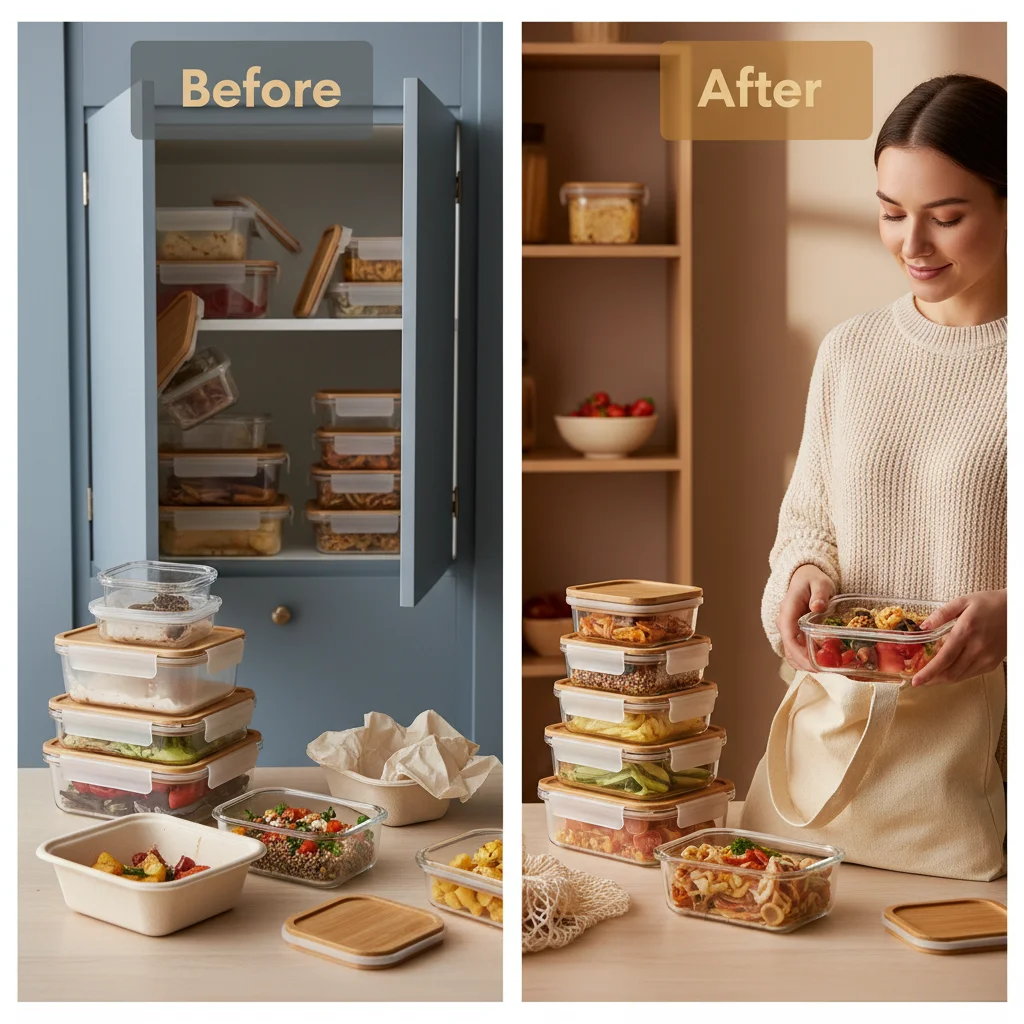
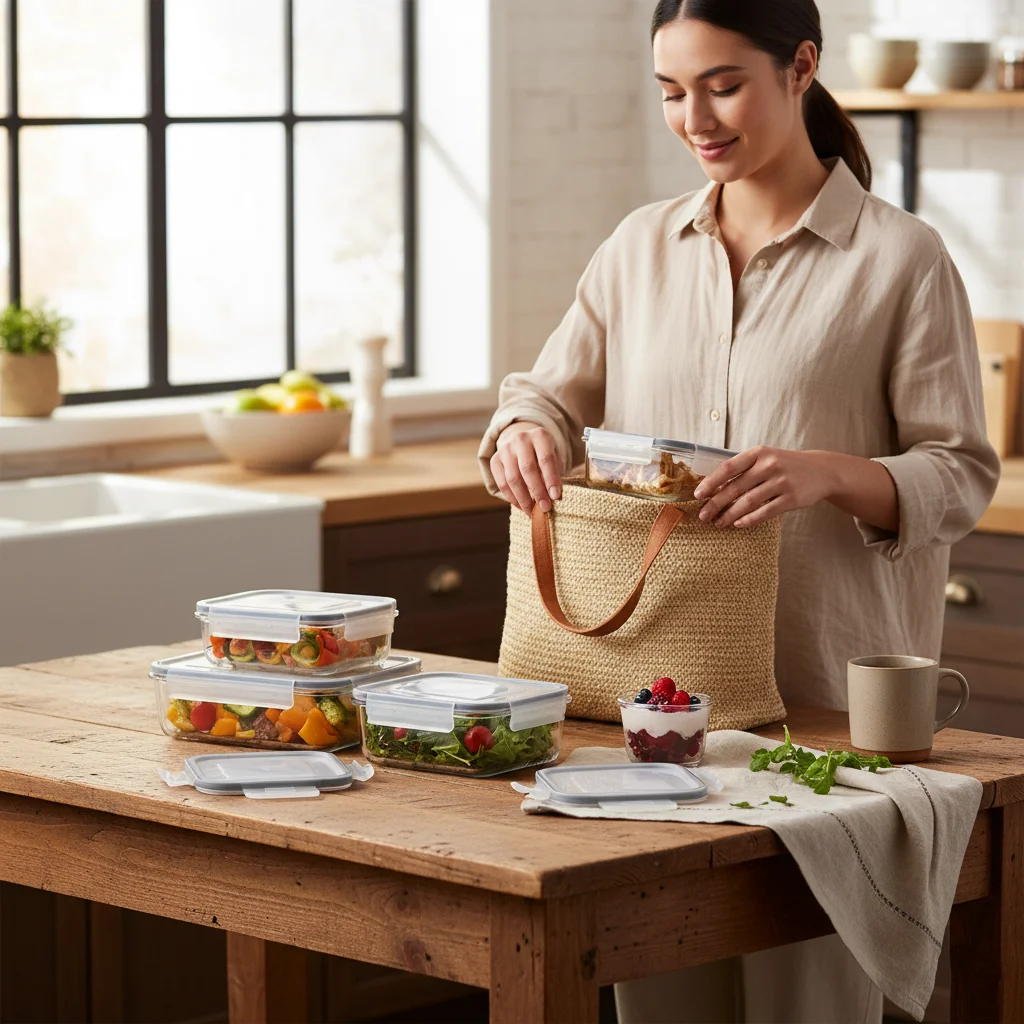
The applications of glass airtight food storage containers are vast and span numerous sectors. In the home kitchen, they are used for everyday food storage, meal prepping, and preserving leftovers. Restaurants and food service businesses utilize them for storing ingredients, sauces, and prepared meals, ensuring food safety and extending shelf life.
In the food processing industry, they provide a hygienic and non-reactive environment for storing and transporting sensitive ingredients. They are also increasingly used in agricultural settings for preserving harvests and preventing spoilage during storage and transportation. glass airtight food storage containers are becoming an integral part of minimizing food loss in developing nations.
In post-disaster relief operations, providing safe and reliable food storage solutions is critical. Glass containers, being durable and easy to clean, are invaluable in these situations. Similarly, in remote industrial zones where access to fresh food is limited, these containers allow for the safe storage of provisions, ensuring the well-being of workers.
Glass Airtight Food Storage Container Adoption Rate by Region
Advantages & Long-Term Value
The advantages of using glass airtight food storage containers extend far beyond simple convenience. Cost-effectively, while the initial investment may be higher than plastic alternatives, the durability of glass ensures a longer lifespan, reducing the need for frequent replacements. The elimination of food waste further contributes to cost savings.
From a sustainability standpoint, glass is a superior material. It is infinitely recyclable without losing quality, reducing landfill waste and minimizing reliance on fossil fuels. Socially, glass containers promote healthier eating habits by keeping food fresh and appealing, and the safety of glass (non-toxic, non-leaching) provides peace of mind for families.
Future Trends & Innovations
Several exciting trends are shaping the future of glass airtight food storage containers. Smart containers equipped with sensors to monitor freshness and temperature are emerging. Integration with mobile apps can provide real-time information and alerts, further minimizing food waste.
Innovative coatings are being developed to enhance the durability and scratch resistance of glass. The use of recycled glass in manufacturing is also gaining momentum, further reducing the environmental footprint. These advancements, coupled with growing consumer demand for sustainable products, promise a bright future for the glass container industry.
Challenges & Solutions
Despite their numerous benefits, glass airtight food storage containers face some challenges. Their weight can be a concern for some users, particularly when transporting food. Breakage is another potential issue, although tempered or borosilicate glass significantly reduces this risk.
Solutions include developing lighter-weight glass formulations, incorporating protective sleeves or carriers for transportation, and improving packaging to minimize damage during shipping. Focusing on design features that enhance grip and stability can also reduce the risk of accidental drops.
Addressing the cost factor through economies of scale and innovative manufacturing processes can make glass containers more accessible to a wider range of consumers. By overcoming these challenges, the full potential of glass airtight food storage containers can be realized.
Summary of Solutions to Common Challenges
| Challenge |
Severity (1-10) |
Proposed Solution |
Implementation Cost (1-10) |
| Weight |
6 |
Lighter glass formulations, optimized design |
7 |
| Breakage Risk |
7 |
Tempered/Borosilicate glass, Protective Sleeves |
5 |
| Initial Cost |
8 |
Economies of Scale, Value Proposition Marketing |
4 |
| Seal Degradation |
5 |
High-Quality Silicone Gaskets, Robust Clamps |
6 |
| Cleaning Difficulty (Certain Designs) |
4 |
Simplified Designs, Dishwasher-Safe Materials |
3 |
| Limited Color Options |
3 |
Expanding Color Palettes, Customization Options |
5 |
FAQS
Glass containers offer significant advantages over plastic. They are non-porous, preventing food from absorbing odors or stains, and don't leach harmful chemicals into your food. Glass is also infinitely recyclable, making it a more sustainable choice. It’s also much easier to thoroughly clean and sanitize, promoting better food hygiene. glass airtight food storage containers are a great alternative.
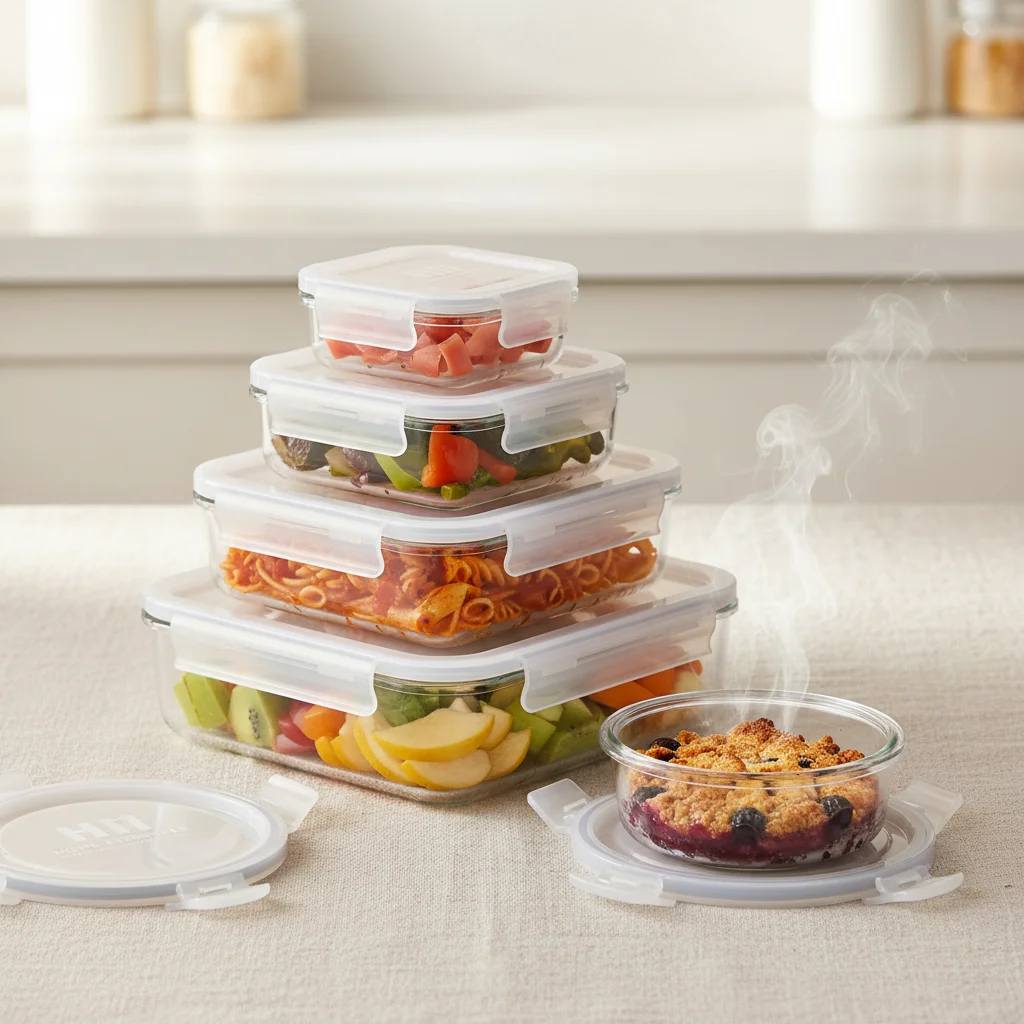
Most glass airtight food storage containers are designed to be both microwave and dishwasher safe. However, it’s always best to check the manufacturer's instructions. Some lids may not be microwave-safe, so it's recommended to remove them before heating. Using borosilicate glass ensures higher thermal shock resistance for microwave use.
Ensuring an airtight seal is crucial for maintaining freshness. Regularly inspect the silicone gaskets for cracks or damage and replace them if necessary. Ensure the lid is properly aligned and securely fastened. Some containers use clamp mechanisms; ensure these are firmly locked into place. A properly sealed container should require a slight effort to open.
While glass is durable, it can break if mishandled. Avoid sudden temperature changes (e.g., taking a cold container directly from the fridge and placing it in a hot oven). Store containers carefully to prevent them from knocking against each other. Using padded storage solutions can offer added protection. Choosing tempered or borosilicate glass increases resistance to breakage.
Initially, glass airtight food storage containers often have a higher upfront cost compared to plastic. However, considering their durability and reusability, they offer long-term cost savings. You'll replace plastic containers more frequently due to wear and tear, while glass containers can last for years with proper care. This makes glass a more economically and environmentally sound investment.
Yes, many glass airtight food storage containers are freezer-safe, but it's essential to check the manufacturer’s guidelines. Leave some headspace in the container to allow for expansion during freezing. Avoid filling the container completely to prevent cracking. Borosilicate glass is particularly well-suited for freezing due to its thermal shock resistance.
Conclusion
In conclusion, glass airtight food storage containers represent a significant advancement in food preservation and sustainable living. Their durability, non-toxic nature, and recyclability offer compelling advantages over traditional plastic alternatives. From reducing food waste and promoting healthier eating habits to minimizing environmental impact, these containers are a valuable investment for both individuals and businesses.
Looking ahead, continued innovation in materials, design, and functionality will further enhance the benefits of glass containers. By embracing these advancements, we can contribute to a more sustainable and food-secure future. Consider making the switch to glass airtight food storage containers and experience the difference today!