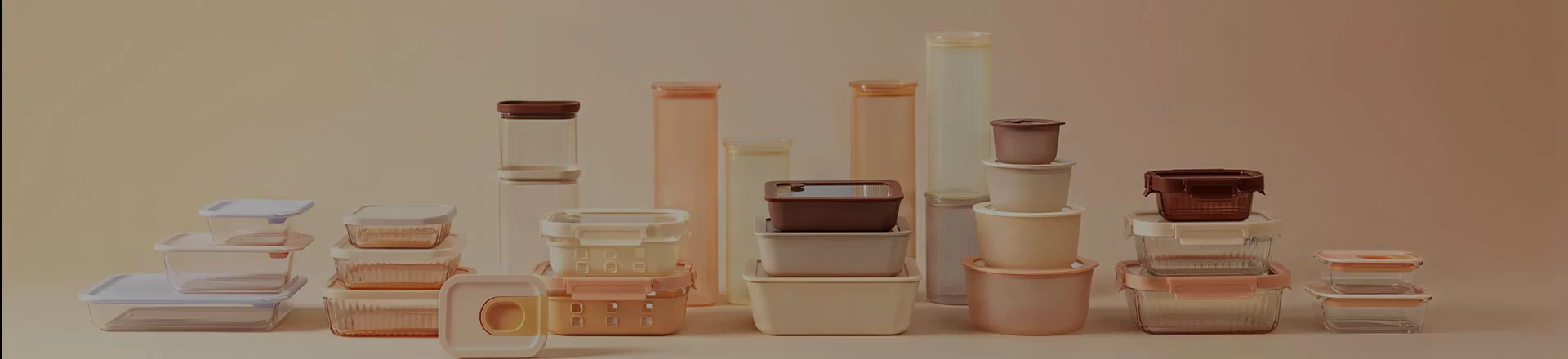
In an era where health consciousness and environmental sustainability have become global priorities, the transition toward safe glass food storage containers represents a critical shift in how we manage our nutrition and waste. As consumers move away from single-use plastics and chemical-leaching materials, high-quality glass solutions provide a non-reactive, durable, and transparent alternative that ensures food integrity from the freezer to the oven.
The global food storage market is currently undergoing a transformation driven by stringent food safety regulations and a growing awareness of endocrine disruptors found in certain plastics. By adopting safe glass food storage containers, households and professional kitchens can significantly reduce their carbon footprint while eliminating the risk of BPA and lead contamination, adhering to the highest international health standards.
Understanding the technical nuances of materials—such as the difference between tempered glass and high borosilicate glass—is essential for maximizing the longevity and safety of these products. This guide explores the industry standards, material advantages, and practical applications of premium glass storage solutions, providing a comprehensive roadmap for those seeking the gold standard in food preservation and meal preparation.

The Material Science of Safe Glass Food Storage Containers
The foundation of safe glass food storage containers lies in the use of high borosilicate glass. Unlike standard soda-lime glass, borosilicate glass contains boron trioxide, which significantly lowers the coefficient of thermal expansion. This molecular structure allows the container to withstand rapid temperature changes—known as thermal shock—without cracking, making it the ideal choice for moving a dish from a freezer directly into a microwave or oven.
Furthermore, the non-porous nature of this glass ensures that it does not absorb odors, stains, or flavors from previous meals. This chemical inertness is what defines the "safe" aspect of these containers; there are no plasticizers, BPA, or lead leaching into the food, regardless of the acidity or temperature of the contents. This makes them an essential tool for those maintaining a strict health-conscious diet.
Global Standards and Certifications for Food Safety
In the manufacturing of safe glass food storage containers, adherence to international certifications is not optional—it is a prerequisite for consumer trust. Certifications such as FDA (Food and Drug Administration) and ISO9001 ensure that the manufacturing process is controlled and that the materials used are non-toxic and safe for direct food contact. These standards guarantee that the glass is free from harmful impurities and that the PP (polypropylene) lids are BPA-free.
Beyond material certifications, factory audits by global retailers like Walmart and Amazon, as well as BSCI (Business Social Compliance Initiative) audits, ensure that the containers are produced under ethical and safe working conditions. This holistic approach to quality control ensures that every unit leaving the factory meets a rigorous baseline of safety, durability, and hygiene.
For the end-user, these certifications mean that the safe glass food storage containers they purchase can be used across various high-heat and low-heat environments without risk. Whether it is a 560°C oven temperature or a -40°C freezer environment, the certified structural integrity of the glass prevents failure and ensures food safety.
Core Technical Advantages of Borosilicate Glass
One of the primary reasons professional chefs prefer safe glass food storage containers is their exceptional thermal versatility. High borosilicate glass can handle a massive temperature range, typically from -40℃ to 560℃, allowing for seamless transitions between storage and cooking phases.
The integration of a vent lid is a critical technical feature. By allowing for a smooth slide-vent, safe glass food storage containers prevent the buildup of internal pressure during microwave heating, reducing the risk of lid popping or food splatter while ensuring even heating.
Additionally, the airtight and leakproof seal provided by the PP lids ensures that oxygen and moisture are kept at bay. This significantly extends the shelf life of leftovers and prevents messy leaks in bags during transit, combining high-end material science with practical industrial design.
Performance Metrics in Extreme Temperature Ranges
Evaluating the efficacy of safe glass food storage containers requires looking at their performance under stress. The ability to withstand thermal shock is measured by the material's expansion coefficient. High borosilicate glass scores significantly higher than tempered glass in this regard, ensuring that it remains stable even when exposed to extreme heat.
When comparing various storage methods, the reliability of glass in the freezer and oven outweighs plastic and ceramic alternatives in terms of chemical stability. While plastics may warp and ceramics may crack under sudden temperature shifts, borosilicate glass maintains its form and safety profile.
Comparative Safety and Durability Ratings for Storage Materials
Practical Applications in Modern Meal Prep
In the context of modern "meal prep" culture, safe glass food storage containers serve as a multifunctional tool. Their availability in rectangular, round, and square shapes allows users to optimize refrigerator space and organize meals for the entire week. Because they are dishwasher safe, the cleanup process is streamlined, making them a favorite for busy professionals.
Beyond home use, these containers are widely adopted by health-oriented catering services and fitness enthusiasts. The ability to prep a meal, freeze it, and then heat it in the same vessel—all while remaining 100% food hygienic—reduces the need for intermediate plating and minimizes the risk of cross-contamination.
Long-Term Sustainability and Environmental Impact
The environmental argument for safe glass food storage containers is compelling. Unlike plastic containers that degrade over time and eventually contribute to microplastic pollution in our oceans, glass is infinitely recyclable. By replacing disposable take-out containers with reusable glass alternatives, a single household can prevent hundreds of plastic containers from entering landfills annually.
Furthermore, the longevity of borosilicate glass means fewer replacements are needed. The resistance to scratching and staining ensures that the containers remain aesthetically pleasing and functional for years, contrasting sharply with the "disposable" nature of cheap plastic bins that warp after a few microwave cycles.
From a global perspective, moving toward glass-based storage systems aligns with the UN's Sustainable Development Goals (SDGs) regarding responsible consumption and production. Investing in safe glass food storage containers is not just a personal health choice, but a commitment to a cleaner planet.
Overcoming Common Challenges in Glass Storage
Despite their benefits, some users express concerns regarding the weight and fragility of glass. However, the use of high borosilicate glass specifically addresses the fragility issue by enhancing thermal and mechanical strength. By choosing reinforced designs, the risk of breakage during daily use is significantly minimized.
Another common challenge is the seal of the lid. To solve this, industry leaders have integrated precision-engineered PP lids with silicone gaskets, ensuring a truly airtight environment. The addition of the slide-vent solves the problem of pressure buildup, which was a common flaw in older glass container designs.
Ultimately, the perceived drawbacks of glass are far outweighed by the safety risks associated with plastic. When compared to the risk of chemical leaching, the slight increase in weight is a small price to pay for guaranteed food hygiene and peace of mind.
Comparative Analysis of Safe Glass Food Storage Containers vs. Alternatives
| Material Type |
Thermal Range |
Chemical Safety |
Eco-Friendliness |
| Borosilicate Glass |
-40℃ to 560℃ |
BPA/Lead Free |
High (Recyclable) |
| Soda-Lime Glass |
Limited (Thermal Shock Risk) |
Generally Safe |
High |
| PP Plastic |
-20℃ to 120℃ |
Risk of Leaching |
Low (Pollutant) |
| Ceramic |
Moderate |
Glaze Dependent |
Moderate |
| Stainless Steel |
High (No Microwave) |
Safe |
High |
| Silicone |
-40℃ to 230℃ |
Generally Safe |
Moderate |
FAQS
Unlike plastic, which can contain BPA and other phthalates that leach into food—especially when heated—high borosilicate glass is chemically inert. This means it does not react with acidic foods or release toxins during microwave or oven use, ensuring your meals remain 100% hygienic and free from endocrine disruptors.
Yes, because they are made from high borosilicate glass, they are designed to withstand extreme thermal shock. With a temperature range from -40℃ to 560℃, they can handle the transition from freezing temperatures to high oven heat without cracking, provided you follow standard safety guidelines for food heating.
The lids are made from food-grade PP material, which is BPA-free and microwave-safe. To ensure safety during heating, our containers feature a slide-vent that allows steam to escape, preventing pressure buildup. The airtight seal ensures that they remain leakproof for transporting soups or sauces.
To maintain the leakproof seal, we recommend cleaning the lids in the dishwasher on a gentle cycle or hand-washing them. Avoid using abrasive scrubbers on the silicone gasket. Ensuring the rim of the glass is clean before closing will maintain the airtight integrity for years.
Rectangular containers are ideal for main courses and meal prep, as they fit efficiently in refrigerators. Round containers are best for soups, stews, or grains. Square containers are excellent for side dishes or snacks, providing a compact footprint for organized storage.
Absolutely. Both the high borosilicate glass and the PP lids are dishwasher safe. The glass does not cloud or etch over time, and the lids are designed to withstand standard dishwasher temperatures without warping, making cleanup effortless.
Conclusion
In summary, investing in safe glass food storage containers is a multifaceted decision that benefits personal health, kitchen efficiency, and planetary sustainability. By leveraging the thermal resilience of high borosilicate glass and the convenience of BPA-free, vented lids, users can eliminate the risks associated with plastic leaching while streamlining their meal preparation and storage workflows.
As we look toward a future defined by conscious consumption, the shift toward durable, non-toxic materials will only accelerate. We encourage you to upgrade your kitchen essentials to professional-grade glass solutions that prioritize safety without compromising on functionality. Visit our website to explore our full range of high-quality storage solutions: www.ikoo-glass.com