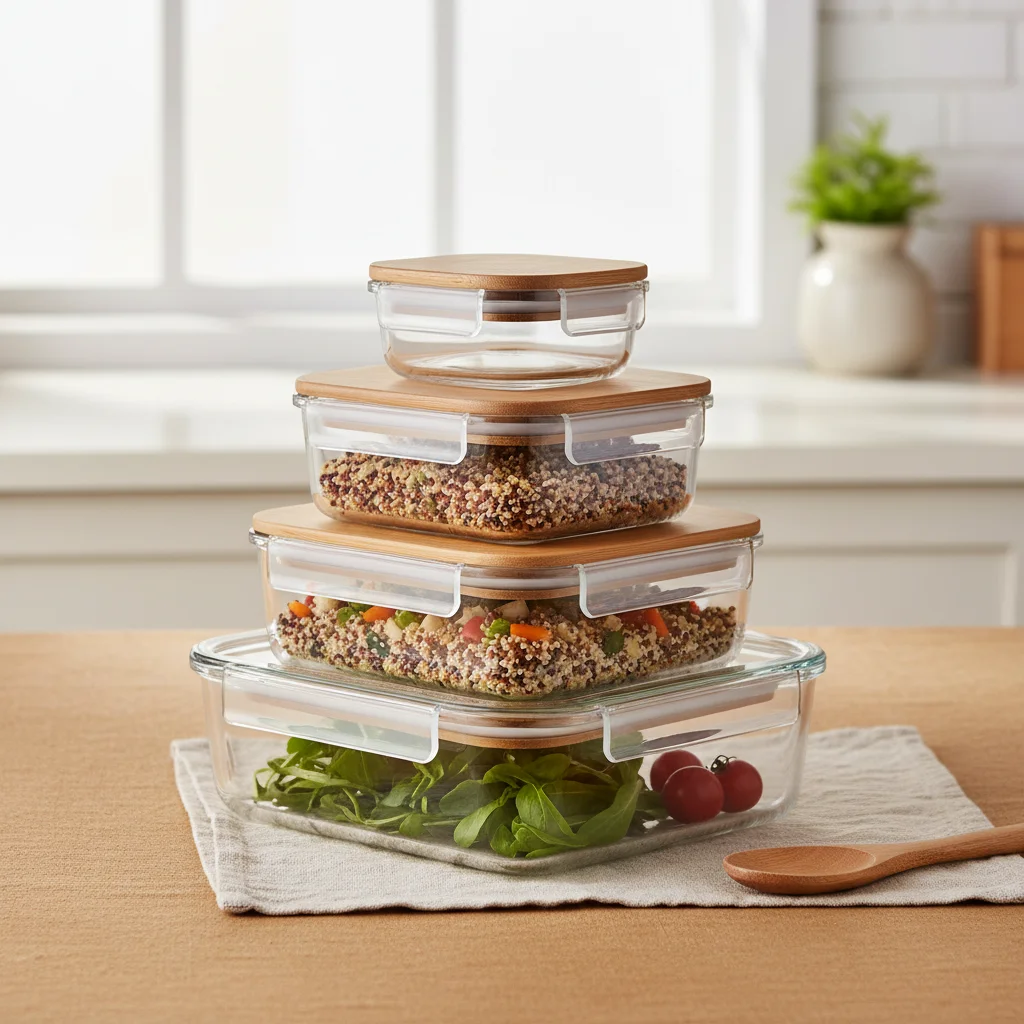
The global shift toward sustainable living has placed a renewed emphasis on the materials we use in our kitchens. For years, the industry has seen a transition from single-use plastics to more permanent, hygienic solutions that prioritize both health and environmental responsibility. Among these, the demand for high-quality food storage has evolved, leading many to seek out alternatives that offer the clarity of glass combined with the ruggedness of industrial metals.
Modern culinary requirements demand versatility, where a single vessel can transition from food preparation to long-term storage without compromising the integrity of the ingredients. While many consumers search for all glass food storage containers to achieve this, the introduction of professional-grade stainless steel alternatives has redefined the standard for durability and hygiene in both home and commercial settings.
Understanding the balance between material properties—such as the shatterproof nature of 304 stainless steel and the visibility provided by ABS lids—is essential for optimizing kitchen efficiency. By integrating high-performance storage solutions, users can reduce food waste, eliminate chemical leaching associated with plastics, and ensure a seamless workflow from the mixing bowl to the refrigerator.

Material Evolution in Food Storage
The evolution of food storage has been driven by the need for materials that are non-reactive and durable. Historically, the market was dominated by plastics, which offered convenience but suffered from staining and the potential release of BPA. As health consciousness grew, the industry shifted toward all glass food storage containers and high-grade stainless steel to ensure that no harmful chemicals migrate into the food.
Today, the focus has expanded to include "hybrid" utility. While glass provides excellent transparency, 304 stainless steel offers an unmatched strength-to-weight ratio. This material evolution allows for the creation of nesting bowls that can withstand the rigors of a commercial kitchen while remaining lightweight enough for home use, effectively bridging the gap between professional utility and domestic convenience.
Defining Professional-Grade Storage Solutions
Professional-grade storage refers to containers designed to meet strict food safety standards, such as FDA and ISO9001 certifications. Unlike standard consumer-grade products, these solutions are engineered to resist rust, corrosion, and odors even under heavy daily use. The primary goal is to create a hygienic environment where food remains fresh and uncontaminated.
In the context of modern manufacturing, this means utilizing premium 304 stainless steel for the body and food-safe ABS lids with silicone seals. This combination ensures an airtight environment that preserves the flavor and texture of ingredients, whether they are being marinated, mixed, or stored for several days in a cold environment.
Ultimately, these solutions are defined by their versatility. A professional container is not just for storage; it is a tool for preparation. From whisking batters in a 1500ml bowl to preparing bulk salads in a 5000ml vessel, the design prioritizes the workflow of the user, ensuring that the transition from prep to storage is seamless.
Core Components of High-Performance Containers
The efficacy of a storage system depends on its material composition. For those who prefer all glass food storage containers, the appeal lies in the non-porous nature of the glass. However, for those requiring maximum durability, 304 stainless steel provides a shatterproof alternative that is equally hygienic and resistant to stains.
A critical component often overlooked is the lid. High-performance systems utilize ABS lids with integrated silicone rings to create a leak-proof seal. This is a significant upgrade over basic lids, as it prevents air exchange and moisture loss, which is a common failure point in cheaper all glass food storage containers.
Capacity and design also play a vital role. By offering varied sizes—such as 1500ml, 3000ml, and 5000ml—manufacturers ensure that the user has the right tool for every task. The nesting design further enhances this by maximizing vertical space in cabinets, solving the common problem of cluttered kitchen storage.
Global Applications and Industrial Use Cases
Across the globe, these storage solutions are utilized in diverse environments. In high-volume commercial kitchens, hotels, and catering businesses, the shift toward stainless steel is driven by the need for equipment that can survive drops and temperature fluctuations. The ability to nest bowls significantly reduces the footprint required for storage in tight industrial zones.
In residential settings, these containers serve as an eco-friendly alternative to disposable plastics. From meal-prepping for the week to storing leftovers, the combination of a durable body and a visible lid allows for efficient inventory management, reducing food waste by making it easier for users to see exactly what is stored inside.
Performance Comparison of Storage Materials
Long-Term Value and Sustainability
Investing in premium storage is a move toward long-term economic and environmental sustainability. Unlike plastic containers that warp, discolor, or crack over time, 304 stainless steel is fully recyclable and maintains its structural integrity for years. This reduces the cycle of consumption and waste, aligning with global initiatives to minimize plastic pollution.
Beyond the environmental impact, there is a logical value in reliability. The peace of mind that comes from using shatterproof materials in a busy kitchen—where a dropped glass container could lead to danger and cleanup—is invaluable. This blend of safety, hygiene, and longevity ensures that the initial investment pays for itself through years of dependable service.
Future Trends in Kitchenware Innovation
The future of food storage is moving toward "smart" integration and advanced materials. We are seeing a trend where the visibility of containers is being enhanced through new polymers that offer the clarity of all glass food storage containers but with the impact resistance of advanced plastics, integrated into metal bodies.
Automation and digital transformation are also influencing how these products are manufactured. Precision engineering now allows for tighter tolerances in lid seals, ensuring a near-perfect vacuum that can extend the shelf life of fresh produce. This evolution is crucial for reducing global food waste.
Furthermore, there is a growing demand for customized, modular systems. The ability to customize logos and sizes for commercial clients allows businesses to organize their kitchens based on specific inventory needs, turning storage from a passive activity into an optimized logistics process.
Overcoming Common Storage Challenges
One of the most common challenges in kitchen management is the "storage paradox": the need for large capacity versus the lack of cabinet space. The nesting design found in professional stainless steel sets directly addresses this by allowing bowls of 1500ml, 3000ml, and 5000ml to sit within one another, drastically reducing the volume they occupy.
Another significant pain point is the difficulty of identifying contents without opening every lid. While many rely on all glass food storage containers for this purpose, the innovation of visible ABS lids provides a similar benefit while maintaining the shatterproof advantages of a metal container.
Finally, the issue of odor retention is a frequent complaint with plastic ware. By utilizing non-porous materials like 304 stainless steel or high-borosilicate glass, users can switch from storing pungent garlic to fresh fruits without any flavor transfer, ensuring a sanitary and professional culinary experience.
Comparison of Storage Material Characteristics
| Material Type |
Impact Resistance |
Odor Retention |
Eco-Friendliness |
| 304 Stainless Steel |
Excellent (10/10) |
None (10/10) |
High (Recyclable) |
| Borosilicate Glass |
Low (4/10) |
None (10/10) |
High (Natural) |
| BPA-Free Plastic |
Medium (7/10) |
High (3/10) |
Low (Limited) |
| Ceramic |
Very Low (2/10) |
None (9/10) |
Medium (Natural) |
| Tempered Glass |
Medium (5/10) |
None (10/10) |
High (Natural) |
| Aluminum |
High (8/10) |
Low (6/10) |
High (Recyclable) |
FAQS
While glass is excellent for transparency and non-reactivity, stainless steel is virtually shatterproof. In a fast-paced commercial kitchen, the risk of breakage is high. Stainless steel 304 offers the same hygienic, non-porous benefits as glass but eliminates the safety hazards and waste associated with broken shards, making it the professional's choice for durability.
Yes, the combination of a rigid ABS plastic lid and a flexible silicone gasket creates a tight mechanical seal. This prevents air from entering and liquids from escaping, which is essential for marinating meats or storing soups. This seal is significantly more reliable than simple press-fit lids found in budget containers.
Absolutely. Premium 304 stainless steel is dishwasher-safe and resists corrosion, meaning it will maintain its polished finish even after hundreds of cycles. We recommend checking the lid specifications, though most food-grade ABS lids are top-rack dishwasher safe or easily hand-washable.
Nesting allows bowls of different sizes (e.g., 1500ml, 3000ml, and 5000ml) to fit inside one another. This converts what would typically be three separate stacks of storage into a single, compact unit. It maximizes cabinet space and makes it easier to transport a full set of bowls for catering or meal prep.
No, 304 stainless steel is a non-porous material. Unlike plastic, which has a molecular structure that can trap organic compounds and odors, stainless steel does not absorb smells or stains. This ensures that your ingredients taste exactly as they should, regardless of what was stored in the bowl previously.
Extremely practical. In professional settings where dozens of containers are used, the ability to identify contents at a glance without opening the lid saves time and prevents food from being exposed to air unnecessarily. It streamlines inventory management and reduces the likelihood of food waste.
Conclusion
The transition toward professional-grade materials in food storage reflects a broader global commitment to health, efficiency, and sustainability. By combining the shatterproof durability of 304 stainless steel with the convenience of visible, airtight ABS lids, the modern kitchen can achieve a level of organization and hygiene that was previously unattainable. Whether choosing the clarity of all glass food storage containers or the ruggedness of metal, the goal remains the same: preserving food quality while reducing environmental impact.
As we look forward, the integration of smarter materials and more ergonomic designs will continue to empower both home cooks and professional chefs. We encourage you to evaluate your current storage needs and invest in solutions that offer long-term value rather than short-term convenience. For premium, certified storage solutions that balance style and practicality, visit our website: www.ikoo-glass.com.