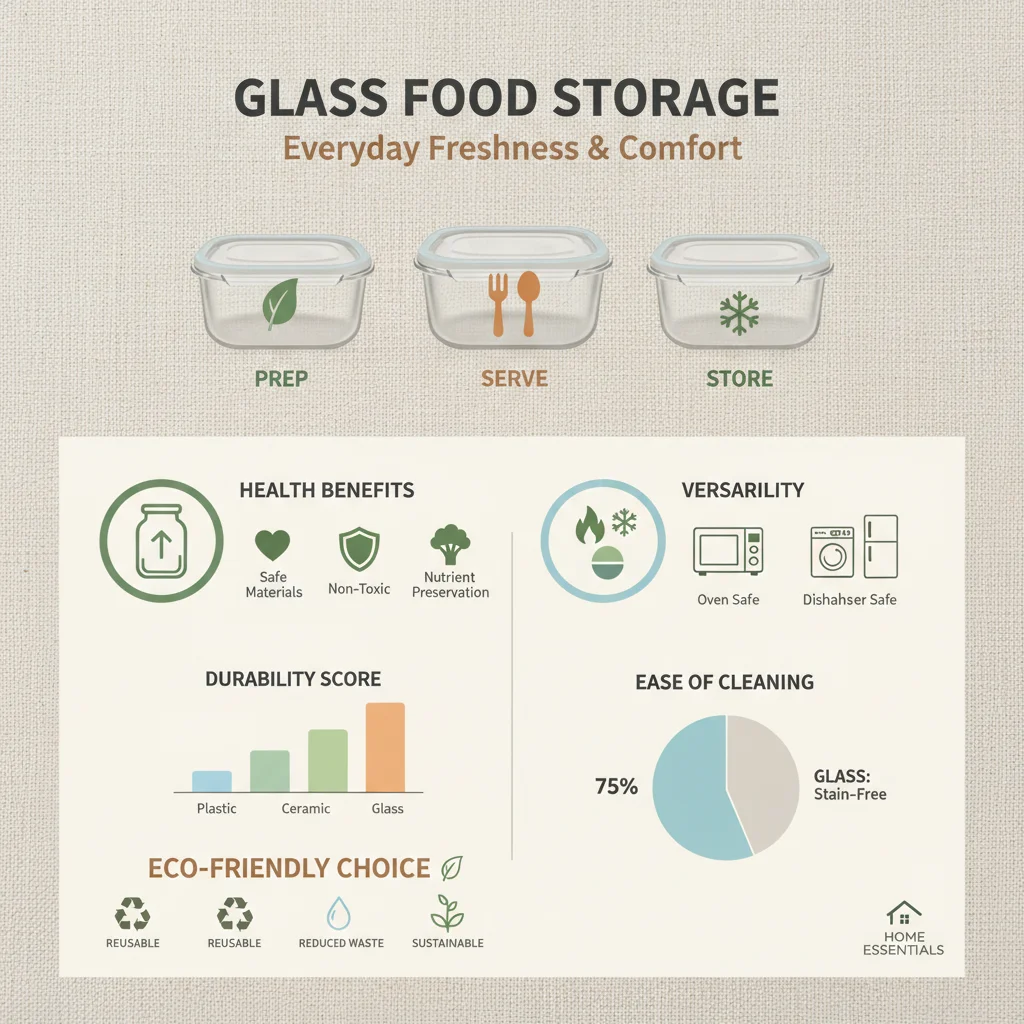
In the modern era of health-conscious eating and sustainable living, the demand for high-quality food preservation has never been higher. Many consumers are shifting away from single-use plastics toward more durable and hygienic alternatives that can withstand various kitchen environments. The search for the perfect balance between longevity, safety, and versatility often leads to the exploration of specialized storage solutions.
Across the globe, the industry is seeing a significant rise in the adoption of premium materials that ensure food remains fresh for longer periods. Whether it is for professional meal prep or home organization, the focus has shifted toward airtight seals and non-reactive materials that prevent contamination and oxidation. This evolution is driven by a collective desire to reduce food waste and improve the nutritional value of stored meals.
While many users search for glass airtight food storage containers, the emergence of high-grade stainless steel alternatives provides a robust solution for those needing extreme durability. By combining food-grade metals with airtight locking lids, these containers offer a practical bridge between the transparency of glass and the indestructible nature of steel, ensuring your meals are protected regardless of where you take them.

Material Science and Food Preservation
The foundation of effective food storage lies in the chemical stability of the container material. High-grade 304 and 316 stainless steel are prized for their corrosion resistance and non-reactive properties, ensuring that the flavor and nutritional integrity of the food remain unchanged over time. Unlike some plastics, these metals do not leach chemicals into the food, providing a safe environment for everything from acidic sauces to fresh fruits.
When compared to the expectations of those seeking glass airtight food storage containers, stainless steel offers a significant advantage in impact resistance. While glass provides visibility, the structural integrity of a colorful coating stainless steel container ensures that the vessel will not shatter during transport or accidental drops, making it an ideal choice for active lifestyles and commercial use.
Versatility in Modern Kitchen Applications
Modern meal preparation requires tools that can transition seamlessly between different temperature environments. The ability to move a container from the freezer to the oven or microwave (with the lid removed) is a critical feature for today's fast-paced lifestyle. Stainless steel containers designed for these purposes provide a unified solution, eliminating the need for transferring food between multiple dishes.
Beyond simple storage, these containers function as multi-functional bento boxes. Whether used by bodybuilders for strict macro-tracking or shift workers needing multiple meals throughout the day, the variety of shapes—including square, rectangular, and round—allows for precise portion control and flexible meal planning. This adaptability ensures that the container fits the food, rather than forcing the food to fit the container.
Furthermore, the integration of dishwasher-safe materials ensures that hygiene is maintained without excessive effort. The combination of a durable metal body and a high-strength PP lid simplifies the cleaning process, making these containers a sustainable replacement for single-use plastic wraps and disposable foil trays in both domestic and professional settings.
The Engineering of Airtight Sealing Systems
A critical component of any high-quality storage system is the sealing mechanism. For those accustomed to glass airtight food storage containers, the expectation is a complete barrier against air and moisture. This is achieved through the use of food-grade silicone gaskets that create a vacuum-like seal when the locking lid is engaged.
The synergy between the PP locking lid and the silicone sealing ring prevents leaks and spills, which is essential for transporting liquids or semi-liquid meals. This engineering ensures that the contents remain fresh by limiting the exposure to oxygen, which in turn slows down the spoilage process and maintains the texture of the food.
Unlike basic lids, these high-strength locking systems are built to withstand the rigors of daily use. By ensuring a tight fit, these containers effectively replicate the performance of glass airtight food storage containers while offering the added benefit of being lightweight and shatterproof, providing peace of mind for commuters and travelers.
Performance Metrics of Storage Materials
Evaluating the efficiency of food storage requires looking at several key performance indicators, including thermal conductivity, leak prevention, and overall durability. While glass is excellent for visibility, the structural resilience of stainless steel often scores higher in high-stress environments, such as outdoor picnics or gym bags, where the risk of breakage is a primary concern.
To better understand how different storage options compare, we analyze the effectiveness of various airtight methods. From traditional snap-locks to silicone-compression seals, each method offers a different level of security and ease of use, directly impacting how long food remains fresh and the likelihood of accidental leaks during transit.
Comparison of Storage Material Performance
Global Adoption and Eco-Friendly Impact
The global shift toward sustainability has put a spotlight on the environmental cost of single-use plastics. By investing in reusable containers made from stainless steel and food-grade PP, consumers are actively reducing the volume of plastic waste entering landfills and oceans. This transition is not just a trend but a necessary step toward a circular economy where products are built to last for years rather than minutes.
Across various regions, from the urban centers of Asia to the eco-conscious markets of Europe, there is a growing preference for materials that are both recyclable and durable. The use of rust-resistant stainless steel ensures that the containers do not need to be replaced frequently, further decreasing the industrial footprint associated with the production of low-quality plastic alternatives.
Overcoming Common Storage Challenges
One of the most common challenges in food storage is the compromise between convenience and safety. Many users struggle with containers that warp in the microwave or leak in their bags. The solution lies in utilizing materials that are specifically engineered for these stresses, such as the combination of a 304 stainless steel body and a BPA-free silicone ring, which provides a reliable, leak-proof barrier.
Another significant hurdle is the issue of odors and stains. While plastic containers often absorb smells and discolor over time, stainless steel is naturally non-porous. This means that even after storing pungent foods like curry or garlic, a simple wash in the dishwasher restores the container to its original state, maintaining a hygienic environment for the next meal.
Finally, the challenge of space management in the kitchen or refrigerator is solved through stackable designs. By offering various shapes and sizes, these containers allow users to maximize their storage volume, making it easier to organize meal prep for the entire week. This level of organization reduces food waste by keeping all ingredients visible and accessible.
Comparative Analysis of Premium Containers
When choosing between different premium options, it is essential to weigh the specific needs of the user against the properties of the material. Those who prioritize visibility and oven-to-table presentation often lean toward glass airtight food storage containers. However, for those who prioritize portability, durability, and a lightweight feel, stainless steel is the superior choice.
The integration of a colorful coating on stainless steel containers adds an aesthetic dimension that was previously missing from metal storage. This allows users to color-code their meals or simply enjoy a more visually appealing kitchen organization system, combining the professional-grade performance of industrial steel with the design sensibilities of modern home decor.
Ultimately, the choice depends on the application. For a home cook who rarely travels, glass may suffice. But for the professional, the athlete, or the frequent traveler, the ruggedness and airtight reliability of a stainless steel container with a locking PP lid provide a level of security and longevity that is unmatched by traditional materials.
Comparison Matrix of Premium Food Storage Solutions
|
Material Type
|
Impact Resistance
|
Thermal Range
|
Eco-Sustainability
|
|
304 Stainless Steel
|
Excellent (10/10)
|
Freezer to Oven
|
High (Fully Recyclable)
|
|
Borosilicate Glass
|
Moderate (4/10)
|
High Heat / Freezer
|
High (Natural Material)
|
|
BPA-Free Plastic
|
High (8/10)
|
Limited (Microwave only)
|
Low (Degradable)
|
|
Ceramic
|
Low (3/10)
|
Oven Safe
|
Moderate
|
|
Colored Steel
|
Excellent (10/10)
|
Freezer to Oven
|
High
|
|
Vacuum Glass
|
Moderate (5/10)
|
Moderate
|
High
|
FAQS
Yes, these containers are microwave safe; however, it is absolutely critical that the lid be removed before placing the container in the microwave to prevent pressure buildup and damage to the PP lid. Once the lid is off, the stainless steel body can be used for reheating meals efficiently.
Yes, the combination of the high-strength PP locking lid and the food-grade silicone sealing ring creates an airtight and leak-proof barrier. This ensures that liquids remain contained, making them ideal for transporting soups, stews, or dressings without worrying about spills in your bag.
While glass is excellent for transparency and non-reactivity, stainless steel is significantly more durable. It is shatterproof and resistant to dents, making it the superior choice for those who frequently travel, go to the gym, or need containers for children's lunches where accidents are common.
Yes, the coating used on our stainless steel containers is designed for food-grade applications and is durable enough to withstand daily use. The interior remains high-quality 304 or 316 stainless steel, ensuring that your food never comes into contact with non-food-grade materials.
Absolutely. Stainless steel is an excellent material for the freezer as it does not become brittle at low temperatures. The airtight seal prevents freezer burn by keeping moisture out and locking freshness in, making these perfect for bulk meal prep and long-term storage.
The silicone gaskets are removable, allowing you to clean them thoroughly. We recommend using a soft brush and mild soap or placing the entire assembly in a dishwasher. Ensuring the gasket is completely dry before re-inserting it into the lid will keep the container hygienic and fresh.
Conclusion
Selecting the right food storage solution is a balance of material science, functional engineering, and environmental responsibility. From the non-reactive nature of 304 stainless steel to the airtight precision of silicone seals, the transition toward durable, reusable containers significantly enhances food safety and reduces global plastic waste. Whether you need a vessel that can survive a drop or one that can transition from the freezer to the oven, the combination of high-grade metal and secure locking lids provides a versatile answer to modern nutritional needs.
As we look toward a future of sustainable consumption, investing in premium, long-lasting storage is more than just a kitchen upgrade—it is a commitment to a healthier lifestyle and a cleaner planet. We encourage you to explore a variety of shapes and sizes to optimize your meal planning and experience the peace of mind that comes with professional-grade durability. For more information on our range of high-quality storage solutions, visit our website: www.ikoo-glass.com.