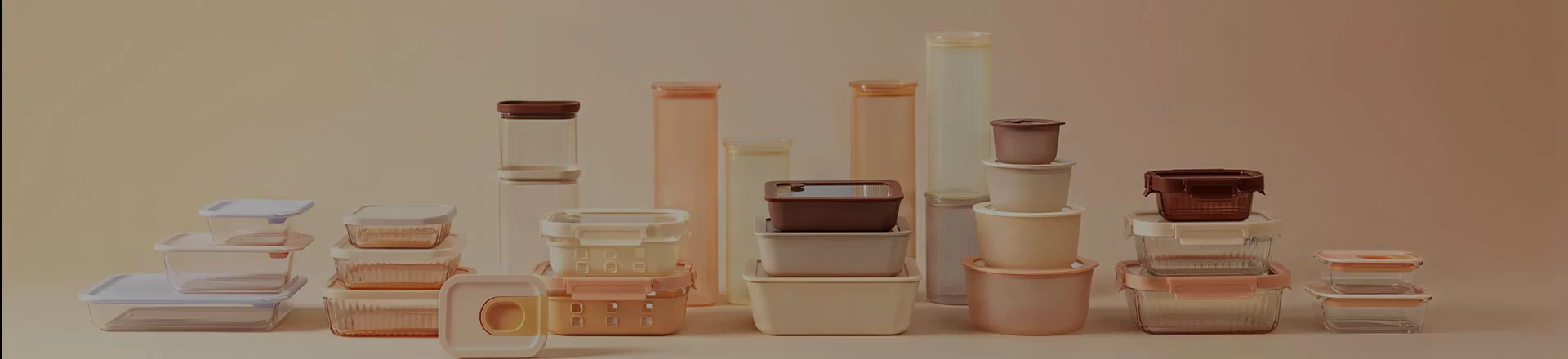
Selecting a high-quality food storage containers glass set is no longer just about kitchen organization; it is a fundamental shift toward sustainable living and health-conscious food preservation. As consumers move away from single-use plastics, the demand for non-reactive, durable, and transparent storage solutions has surged globally, making glass the gold standard for maintaining food integrity.
The versatility of a modern food storage containers glass set allows users to transition seamlessly from meal prep and refrigeration to oven-heating and table service. By utilizing borosilicate or tempered glass, these sets eliminate the risk of chemical leaching, ensuring that the taste and nutritional value of the contents remain untainted regardless of the temperature fluctuations.
Understanding the nuances of different lid materials, glass thickness, and airtight sealing mechanisms is key to maximizing the lifespan of your perishables. In this comprehensive guide, we explore the technical advantages and practical applications of investing in a professional-grade food storage containers glass set to optimize your culinary efficiency.

Global Industry Context of Glass Storage
The global shift toward eco-friendly kitchenware has placed the food storage containers glass set at the center of a major industrial transition. With the UN's Sustainable Development Goals emphasizing the reduction of plastic pollution, the glassware industry has seen a significant pivot toward high-borosilicate glass that offers extreme thermal resistance. This transition is driven by an increasing awareness of endocrine disruptors found in low-grade plastics, leading households and commercial kitchens to prioritize inert materials.
Statistically, the adoption of reusable glass systems has contributed to a measurable decrease in household plastic waste in developed markets. The challenge for the industry has been balancing the inherent fragility of glass with the rigorous demands of modern logistics and daily use. However, advancements in tempering processes and the integration of reinforced lids have made these sets more resilient than ever, bridging the gap between aesthetic appeal and industrial-strength utility.
Defining the Modern Glass Container Set
A food storage containers glass set is more than just a collection of jars; it is a curated system of airtight vessels designed to preserve food freshness through an impermeable barrier. Unlike porous materials, glass does not absorb odors, stains, or flavors, making it the ideal choice for storing everything from pungent fermented vegetables to delicate desserts.
In the context of modern industry, these sets are engineered to meet strict food-grade certifications (such as FDA or LFGB). They typically consist of a high-transparency glass body and a sealing mechanism—ranging from silicone gaskets with snap-locks to sustainable wood or stainless steel lids—ensuring a vacuum-like seal that prevents oxidation and extends the shelf life of ingredients.
For humanitarian and professional needs, these sets provide a standardized way to manage food portions and reduce waste. Their ability to withstand extreme temperature shifts—from the freezer to the microwave—makes them an indispensable tool for urban meal-preppers and commercial catering services alike, promoting a healthier, more organized approach to nutrition.
Core Components for Maximum Durability
The structural integrity of a food storage containers glass set depends heavily on the chemical composition of the glass. Borosilicate glass, characterized by its low coefficient of thermal expansion, is preferred for oven-to-table applications, whereas soda-lime glass is often used for standard cold storage due to its cost-effectiveness and clarity.
A critical component often overlooked is the sealing interface. A professional food storage containers glass set utilizes medical-grade silicone rings that maintain elasticity over thousands of open-close cycles. This ensures that the airtight seal remains intact, preventing leaks and keeping moisture out of dry goods, which is essential for long-term preservation.
Finally, the locking mechanism—whether it be a 4-lock snap system or a screw-top—determines the container's portability. Ergonomic designs reduce stress on the glass rims during sealing, minimizing the risk of chipping. When these three elements—material, seal, and lock—are harmonized, the result is a durable system that survives the rigors of daily kitchen chaos.
Practical Applications Across Different Sectors
The utility of a food storage containers glass set extends far beyond the domestic kitchen. In the medical and laboratory sectors, glass containers are used for the precise storage of organic samples where contamination must be zero. Similarly, in the high-end culinary industry, "mise en place" is perfected using glass sets that allow chefs to visualize ingredients instantly without opening lids, maintaining a sterile environment.
In regions focusing on sustainable urban development, these sets are being integrated into "zero-waste" grocery stores where customers bring their own glass containers for bulk refills. This circular economy model reduces the reliance on packaging and leverages the long-term durability of glass to create a closed-loop system of consumption.
Performance Metrics for Food Storage Containers Glass Set Types
Long-term Value and Sustainability Impact
Investing in a food storage containers glass set offers significant financial advantages over time. While the initial cost may be higher than plastic alternatives, the lifespan of glass is virtually indefinite if handled correctly. By eliminating the need for frequent replacements and reducing food spoilage through superior airtight seals, the cost-per-use drops dramatically over several years.
Beyond the wallet, the emotional and environmental value is profound. Using glass removes the anxiety associated with BPA and phthalates, providing peace of mind regarding family health. Furthermore, glass is 100% recyclable, meaning that even at the end of its functional life, it does not contribute to the permanent pollution of landfills or oceans, embodying a true commitment to planetary stewardship.
Future Innovations in Glassware Technology
The next generation of the food storage containers glass set is moving toward "smart" integration. We are seeing the emergence of glass containers with embedded RFID tags or QR codes that sync with kitchen management apps to track expiration dates and suggest recipes based on the contents of the fridge, drastically reducing domestic food waste.
Material science is also evolving, with the development of ultra-lightweight yet shatter-resistant glass composites. These innovations aim to solve the "weight problem" of glass, making them more viable for lunch boxes and portable meal prep without sacrificing the non-toxic properties that make glass superior to polymer-based containers.
Additionally, we are seeing a trend toward customized coating technologies. Anti-fogging and scratch-resistant coatings are being applied to the interior and exterior of glass sets, ensuring that clarity is maintained even after years of dishwasher cycles and heavy usage in professional environments.
Overcoming Common Storage Challenges
One of the primary challenges with a food storage containers glass set is the risk of thermal shock. This occurs when glass is moved too quickly from extreme cold to extreme heat, causing it to crack. The expert solution is to choose borosilicate glass and allow containers to acclimate for a few minutes before placing them in a hot oven.
Another common pain point is lid loss or seal degradation. To overcome this, modern manufacturers are moving toward modular lid systems where seals are replaceable independently of the plastic or wood cap. This ensures that a worn-out silicone ring doesn't render the entire glass container useless, further extending the product's lifecycle.
Finally, organization can be a hurdle due to the non-stackable nature of some rounded designs. The industry has responded by creating squared-off, nesting designs that maximize vertical space in refrigerators and cabinets, ensuring that the transition to glass doesn't come at the cost of kitchen efficiency.
Comparative Analysis of Glass Storage Solution Tiers
| Material Grade |
Thermal Resistance |
Seal Integrity |
Longevity Score |
| Premium Borosilicate |
Ultra High (-20°C to 400°C) |
Vacuum Grade |
10/10 |
| Tempered Glass |
High (-20°C to 200°C) |
Airtight Snap |
8/10 |
| Soda-Lime Glass |
Moderate (Fridge/Microwave) |
Standard Seal |
6/10 |
| Amber Glass (UV-Block) |
Moderate |
High airtight |
9/10 |
| Colored Glass |
Moderate |
Decorative/Airtight |
7/10 |
| Eco-Wood Hybrid |
Standard |
Silicone Gasket |
8/10 |
FAQS
Yes, provided you have a borosilicate glass set. Borosilicate glass is designed to handle extreme temperature swings. However, to be safe, we recommend letting the container sit at room temperature for a few minutes before placing it in a preheated oven to avoid any potential thermal shock, even with high-grade glass.
A truly airtight food storage containers glass set will have a visible silicone gasket that compresses when the lid is locked. You can test this by filling the container with water, locking the lid, and gently tipping it. If no water escapes, the seal is functioning correctly to keep air out and freshness in.
While glass is heavier than plastic, the trade-off is a non-toxic, non-staining surface. Modern tempered and borosilicate glass is significantly stronger than traditional glassware. While they can break if dropped on hard surfaces, they do not degrade, warp, or leach chemicals like plastic does over time.
To maintain a hygienic food storage containers glass set, remove the silicone ring from the lid periodically. Soak it in a mixture of warm water and white vinegar or mild soap. Ensure the ring is completely dry before reinserting it into the lid to prevent moisture trapping.
For maximum preservation, stainless steel or high-grade BPA-free plastic lids with locking clips are best as they provide the tightest seal. Wood lids are aesthetically pleasing and eco-friendly but may require more care (like oiling) to maintain their seal over many years.
Many high-quality borosilicate sets are suitable for these methods. However, always check the manufacturer's specific temperature rating. If the set is rated for 400°C, it will easily handle boiling water or the controlled heat of a sous-vide bath.
Conclusion
In summary, transitioning to a professional food storage containers glass set is a strategic investment in both personal health and environmental sustainability. By combining the chemical inertness of high-grade glass with advanced airtight sealing technology, these sets solve the age-old problems of food spoilage, chemical leaching, and plastic waste. From the thermal resilience of borosilicate materials to the organizational efficiency of modular designs, the modern glass set is an essential tool for the contemporary, health-conscious kitchen.
Looking forward, the integration of smart technology and sustainable material science will only further enhance the utility of glassware. We encourage consumers and commercial operators to prioritize quality over quantity, choosing sets that offer long-term durability and versatility. To elevate your food preservation game and embrace a plastic-free lifestyle, we invite you to explore our premium collections. Visit our website: www.ikoo-glass.com