The global pursuit of sustainable living has led to a significant shift in how we store our food, with a growing preference for materials that are non-toxic and infinitely recyclable. Among the most effective solutions, square glass food containers have emerged as a gold standard for those looking to balance organizational efficiency with health-conscious choices. By replacing single-use plastics with durable glass, consumers can significantly reduce their environmental footprint while ensuring their meals remain fresh and untainted.
In the modern industrial landscape, the demand for precision-engineered storage solutions is driven by a need to combat food waste and improve household logistics. High-quality glass containers provide an airtight environment that protects nutrients and flavors, making them essential for meal prepping and long-term preservation. The structural integrity of these containers ensures they can withstand various temperature changes, providing a versatile tool for the contemporary kitchen.
For professionals and homeowners alike, investing in square glass food containers means prioritizing both functionality and safety. These containers are not just about storage; they represent a commitment to quality and a desire to optimize kitchen space through geometric efficiency. As we explore the technical and practical advantages of the IKOO VacuPro Collection, it becomes clear why glass remains the superior choice for food preservation.

Global Impact of Food Preservation Technology
On a global scale, food waste is a critical challenge that affects both economic stability and environmental health. According to data from international food organizations, a significant percentage of perishable goods are lost due to improper storage and inadequate sealing. The implementation of advanced storage solutions, particularly those utilizing vacuum technology and high-grade glass, is essential in extending the shelf life of food and reducing the volume of waste sent to landfills.
By utilizing specialized square glass food containers, households and commercial entities can maintain a more controlled environment for their ingredients. This transition from porous or reactive materials to inert glass ensures that the chemical composition of the food remains unchanged, which is paramount for maintaining nutritional value and food safety across different geographic regions.
Defining the Modern Glass Storage Standard
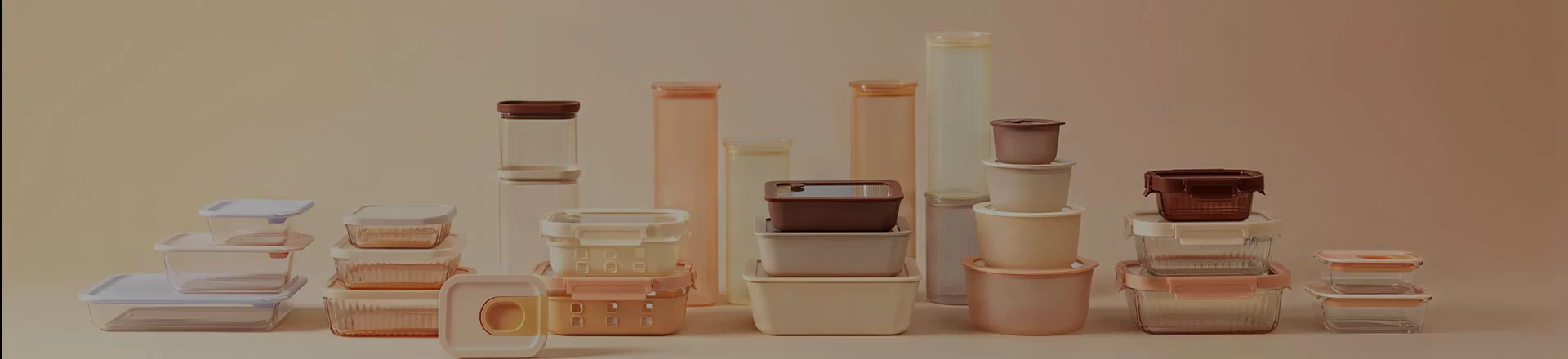
Square glass food containers are specialized storage vessels designed with a geometric square footprint to maximize spatial efficiency in refrigerators and pantries. Unlike round containers, the square design eliminates wasted gaps between units, allowing for a denser and more organized storage arrangement. These containers are typically crafted from borosilicate or soda-lime glass, ensuring they are non-reactive and transparent for easy identification of contents.
In the context of modern industry, these containers are more than just kitchenware; they are tools for food security. By providing a non-permeable barrier against oxygen and moisture, they address the humanitarian need for longer-lasting food supplies in areas where frequent shopping is not possible. The integration of airtight lids and vacuum-ready designs elevates them from simple jars to professional-grade preservation systems.
The standard for a high-quality glass container is now defined by its certifications. For instance, compliance with FDA, LFGB, and SGS standards ensures that the material is safe for human consumption and free from harmful lead or cadmium. This rigorous certification process transforms a simple household item into a reliable piece of health-certified equipment.
Core Components of the VacuPro Collection
The IKOO VacuPro Collection is a comprehensive system engineered for maximum preservation. At its core, the system utilizes square glass food containers paired with a specialized pump to create a vacuum seal. This process removes excess air, which is the primary catalyst for oxidation and bacterial growth, thereby significantly extending the freshness of the stored contents.
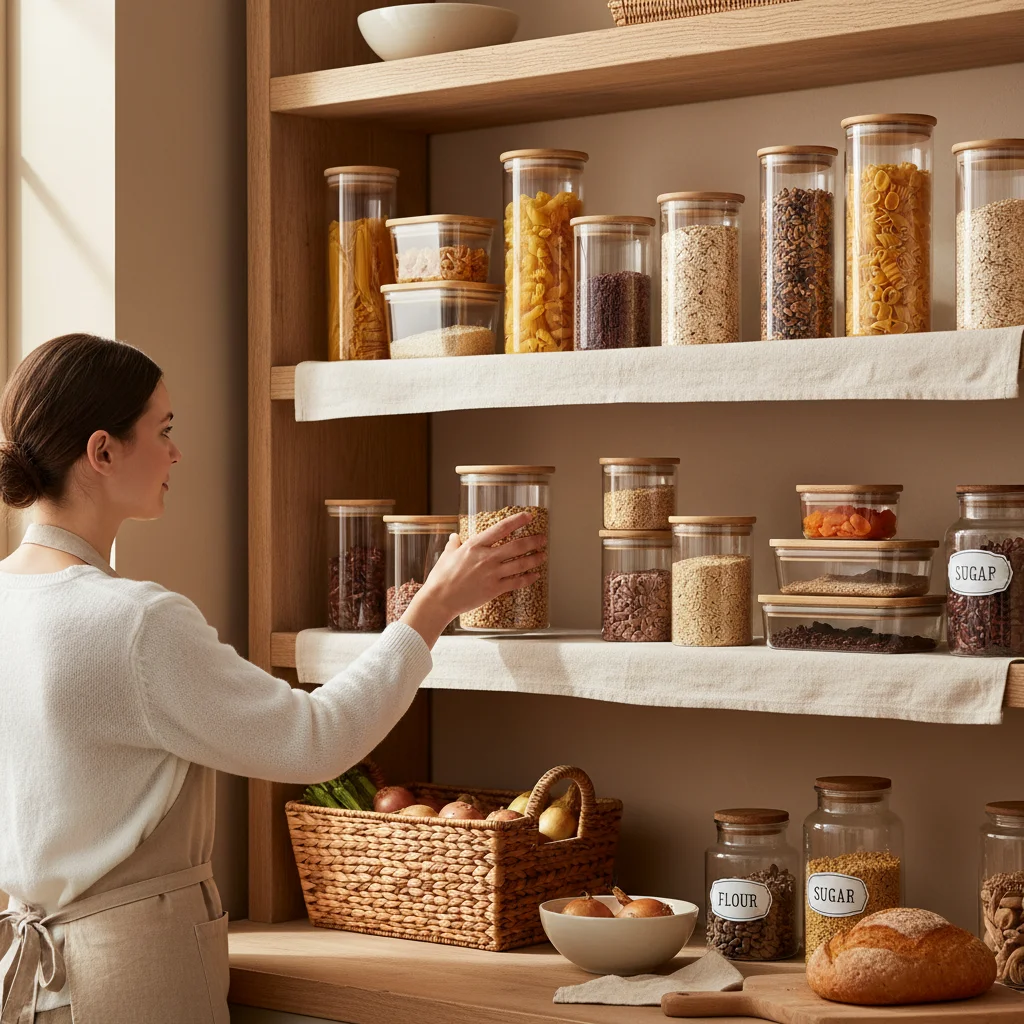
Beyond the main vessels, the collection includes complementary accessories such as glass jars and specialized food bags. The synergy between the pump and the square glass food containers allows users to customize their storage based on the volume and type of food, whether it be dry grains in a jar or prepared meals in a container.
The primary benefits of this integrated approach are the reduction of food waste and the preservation of food quality. By controlling the internal atmosphere of the containers, the VacuPro system prevents the premature spoilage of organic materials, providing a tangible economic benefit to the user while promoting a more sustainable way of consuming food.
Performance Metrics and Durability Analysis
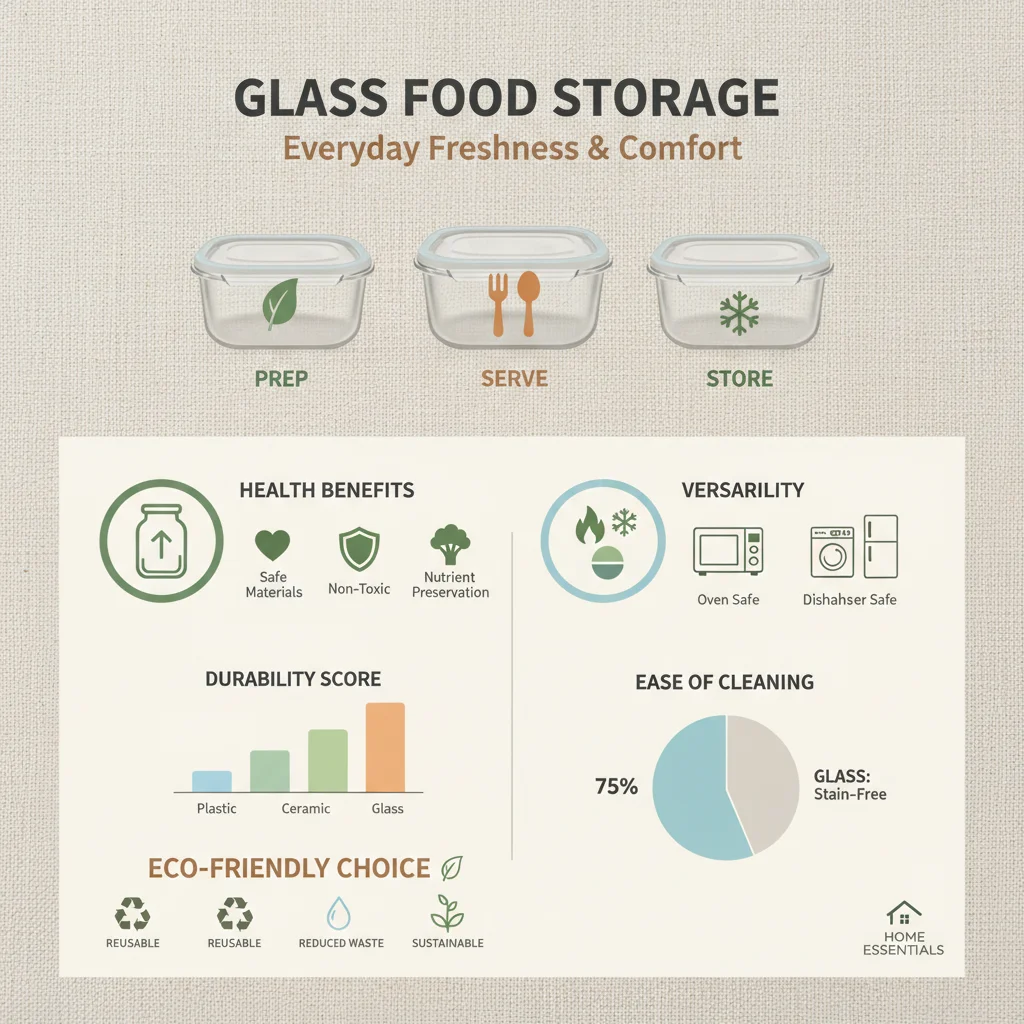
When evaluating the performance of food storage, durability and seal integrity are the most critical metrics. High-grade glass is prized for its ability to resist scratching and staining, unlike plastic alternatives that degrade over time. The structural strength of square glass food containers ensures they can handle the pressure changes associated with vacuum pumping without compromising the vessel's integrity.
Furthermore, the efficiency of the vacuum seal directly correlates to the extension of shelf life. By reducing the oxygen concentration within the container, the rate of decay is slowed, allowing fresh produce and prepared meals to remain viable for significantly longer periods. This technical advantage makes these containers an investment in long-term food quality.
Comparison of Preservation Efficiency for Square Glass Food Containers
Global Applications and Industrial Use Cases
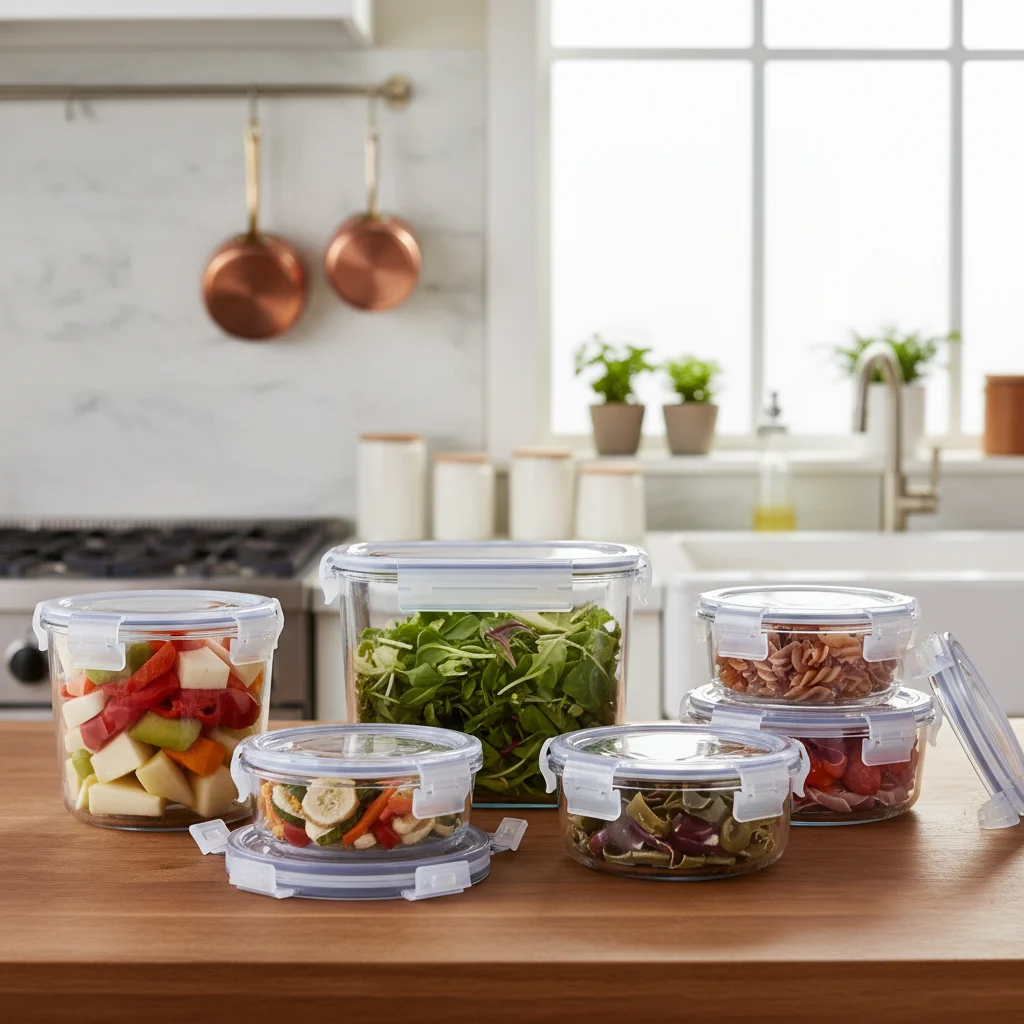
The application of square glass food containers extends far beyond the home kitchen. In the professional catering and meal-prep industry, these containers are used to standardize portions and ensure that food delivered to clients remains fresh during transit. The square shape allows for efficient stacking in delivery crates, reducing movement and potential spills.
In more specialized contexts, such as laboratory settings or high-end apothecary storage, the non-reactive nature of glass is indispensable. The ability to create a vacuum seal makes these containers suitable for storing sensitive ingredients that would otherwise degrade when exposed to air, ensuring that the purity of the contents is maintained regardless of the environment.
Long-Term Value and Sustainability Benefits
The long-term value of switching to glass storage is found in the intersection of economic savings and environmental stewardship. While the initial investment in a vacuum system may be higher than buying disposable plastic, the cost per use drops significantly over time. Glass does not leak chemicals into food, meaning there is no need to replace containers due to warping, staining, or the absorption of odors.
From a sustainability perspective, glass is one of the few materials that can be recycled indefinitely without losing quality. By utilizing square glass food containers, consumers contribute to a circular economy, reducing the amount of petroleum-based plastics entering the ocean and soil. This shift represents a move toward "conscious consumption."
Furthermore, the psychological benefit of using high-quality glass cannot be overlooked. The transparency provides a sense of order and cleanliness, while the perceived value of the material encourages users to treat their food with more respect, further reducing the likelihood of impulsive waste.
Future Trends in Glass Ware Innovation
The future of glass storage is trending toward the integration of "smart" technology and advanced material science. We are seeing the development of glass that is even more resistant to thermal shock and impact, potentially incorporating nano-coatings that further enhance the vacuum seal's longevity. As automation increases in food logistics, the standardization of square glass food containers will likely facilitate better integration with robotic sorting and storage systems.
Sustainability policies are also driving innovation. We expect to see more glass manufacturing processes powered by green energy, further reducing the carbon footprint of the production cycle. The move toward "zero-waste" certifications will push manufacturers to optimize the weight of the glass without sacrificing strength, leading to more energy-efficient shipping.
Ultimately, the evolution of these products will focus on the total user experience—combining the timeless purity of glass with the cutting-edge efficiency of vacuum technology to create a seamless, health-focused food ecosystem.
Analysis of Glass Storage Innovation and Performance
| Innovation Dimension |
Traditional Glass |
VacuPro System |
Impact Score (1-10) |
| Shelf Life Extension |
Moderate (Air-tight) |
High (Vacuum Sealed) |
10 |
| Spatial Efficiency |
Variable (Round/Square) |
Optimized Square |
9 |
| Chemical Inertness |
High |
High (FDA/LFGB) |
10 |
| Waste Reduction |
Low to Moderate |
Very High |
9 |
| Recyclability |
100% Recyclable |
100% Recyclable |
10 |
| User Convenience |
Simple Lid |
Pump Assisted |
8 |
FAQS
Square glass food containers are superior primarily due to spatial efficiency. In a refrigerator or pantry, round containers leave unused gaps between them, whereas square containers fit flush against each other. This maximizes your available storage volume and allows for more stable stacking, reducing the risk of containers tipping over.
The pump removes the majority of the air from inside the container, creating a vacuum. Since oxygen is required for the growth of aerobic bacteria and the process of oxidation (which makes food go rancid or brown), removing it effectively slows down these natural decay processes, keeping food fresh for significantly longer.
Yes, high-quality glass containers used in the VacuPro collection are designed to be heat-resistant. However, it is always recommended to check the specific product specifications and remove any vacuum lids before heating, as the lids are designed for sealing and preservation rather than high-heat cooking.
You should look for FDA (U.S. Food and Drug Administration), LFGB (German food-grade standard), and SGS certifications. These ensure that the glass is lead-free and cadmium-free, meaning it won't leach harmful chemicals into your food even when storing acidic ingredients like tomato sauce.
Yes, they are excellent for freezing. Because glass is non-porous, it doesn't absorb odors from the freezer. Just ensure that you leave a small amount of headspace at the top of the container to allow for the natural expansion of liquids as they freeze, preventing the glass from cracking.
The standard MOQ for the VacuPro Collection is 3,000 pieces to ensure production efficiency and quality control. For larger corporate orders or specific customization requests, we recommend contacting our sales team directly to discuss logistics and potential volume arrangements.
Conclusion
In summary, the adoption of square glass food containers represents a strategic upgrade for anyone looking to enhance their food preservation process. By combining geometric efficiency with the science of vacuum sealing and the safety of certified glass, the IKOO VacuPro Collection provides a comprehensive solution to reduce food waste, protect nutritional value, and promote environmental sustainability.
As we move toward a more sustainable future, the shift away from plastics and toward durable, inert materials like glass is not just a trend, but a necessity. We encourage businesses and consumers to embrace these high-performance storage solutions to ensure a healthier lifestyle and a cleaner planet. For more information on our professional storage solutions, visit our website: www.ikoo-glass.com