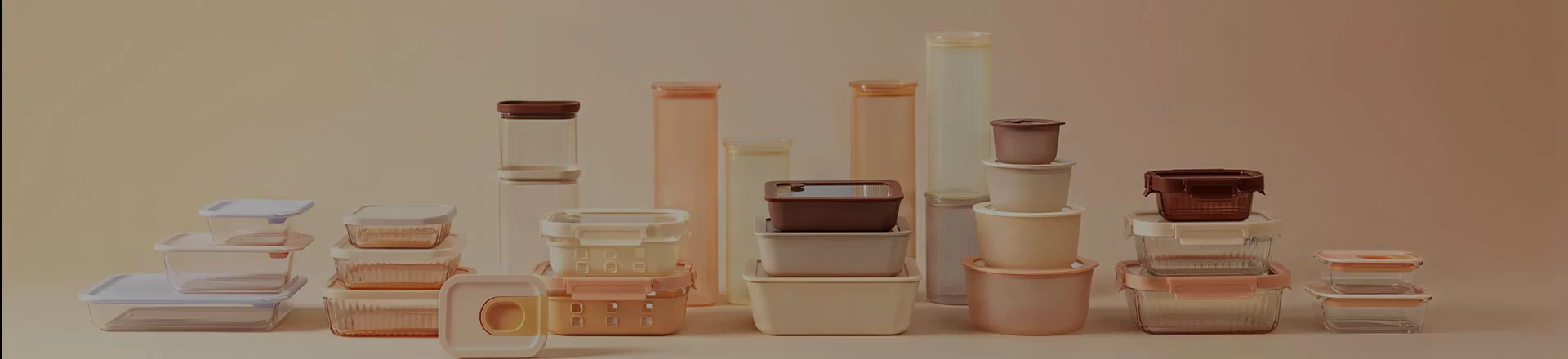
The demand for high-capacity kitchenware has seen a significant rise as modern households shift toward bulk meal preparation and sustainable living. Choosing the right storage solutions is no longer just about space, but about maintaining the nutritional integrity and freshness of food over longer periods.
In the professional culinary world and home kitchens alike, the transition from plastic to high-quality glass reflects a growing consciousness regarding health and environmental impact. High-capacity vessels allow for efficient organization, reducing the number of containers needed while ensuring that large portions of salads, grains, or prepped ingredients remain uncontaminated.
Investing in extra large glass food storage containers provides a versatile solution for those who prioritize durability and safety. By utilizing high borosilicate glass, these containers withstand extreme temperature fluctuations, making them indispensable for a seamless transition from the oven to the refrigerator.

Material Science of High Borosilicate Glass
The foundation of premium extra large glass food storage containers lies in the use of high borosilicate glass. Unlike standard soda-lime glass, borosilicate glass contains boron trioxide, which significantly lowers the coefficient of thermal expansion. This molecular structure allows the glass to endure rapid temperature changes—known as thermal shock—without cracking or shattering, which is critical for containers that move from a freezer to a microwave.
Furthermore, this material is chemically inert, meaning it does not react with acidic or alkaline foods. This ensures that the taste and purity of the food are preserved, regardless of how long it is stored. For those seeking industrial-grade quality at home, the combination of strength and transparency makes this material the gold standard for food preservation.
Versatility in Modern Kitchen Applications
Modern culinary habits require tools that can pivot from preparation to presentation. Extra large glass food storage containers serve as a multi-functional asset, acting as mixing bowls for large batches of salad or batter and subsequently as serving dishes for guests. This reduces the amount of dishware used and streamlines the cooking process.
For meal preppers, these containers are essential for organizing weekly ingredients. The high capacity (ranging from 1000ml to 3500ml) allows for the storage of bulk greens, roasted vegetables, or pasta salads. The inclusion of food-grade PE lids ensures that these large volumes are kept airtight, preventing cross-contamination in crowded refrigerators.
Beyond the home, these vessels are increasingly used in boutique catering and food prep businesses. The transparency allows for immediate inventory checks, while the oven-safe properties enable chefs to bake or reheat components directly in the storage vessel, maximizing efficiency in high-pressure environments.
Thermal Resistance and Safety Standards
Safety is paramount when dealing with heat-intensive kitchen tasks. The engineering behind extra large glass food storage containers ensures a wide operating temperature range, typically from -40℃ up to 560℃. This extreme threshold makes them suitable for deep-freezing and high-temperature oven baking.
Compliance with FDA and ISO9001 standards guarantees that the materials used are non-toxic and lead-free. When using extra large glass food storage containers, users can be confident that no harmful chemicals leach into their food, a common concern with low-grade plastic containers that may release BPA or phthalates when heated.
It is important to note the distinction between the glass body and the lid. While the borosilicate glass is oven-safe, the PE lids are designed for airtight sealing and refrigeration; they should be removed before microwave or oven use to ensure the longevity of the plastic and the safety of the food.
Space-Saving Design and Storage Logic
One of the primary challenges of owning high-capacity cookware is the cabinet space they occupy. To solve this, extra large glass food storage containers are often designed with a nesting capability. By stacking bowls of varying sizes (1000ml, 2000ml, and 3500ml) inside one another, the total footprint is reduced to that of the largest vessel.
This logical approach to design extends to the lids, which can be stacked in ascending order. This organization not only saves physical space but also reduces the time spent searching for matching pairs during a busy cooking session, effectively optimizing the kitchen workflow.
Efficiency Rating of Extra Large Glass Food Storage Containers
Sustainable Impact of Glass over Plastic
The environmental toll of single-use and low-grade plastics has led to a global push for sustainable alternatives. Extra large glass food storage containers offer a permanent solution, as glass is 100% recyclable and does not degrade over time. By replacing disposable plastic bags and flimsy containers, households can significantly reduce their plastic waste output.
Beyond waste reduction, the longevity of borosilicate glass means fewer replacements are needed over a lifetime. The non-porous surface of the glass ensures that odors and stains from potent foods—like garlic or turmeric—do not linger, maintaining a hygienic environment and preventing the need to discard containers due to permanent contamination.
Maintenance and Longevity Guidelines
To maintain the crystal clarity and structural integrity of extra large glass food storage containers, proper care is essential. While these containers are dishwasher safe, using a mild detergent and avoiding abrasive steel wool prevents surface scratches that could eventually weaken the glass over several years of heavy use.
The PE lids should be handled with care, especially regarding heat exposure. To extend the life of the lids, it is recommended to wash them on the top rack of the dishwasher or hand wash them with a soft sponge. This prevents the plastic from warping, ensuring the airtight seal remains effective for years.
For those using these containers in professional settings, periodic inspections for micro-cracks are advised. Although borosilicate glass is incredibly strong, extreme mechanical impact can cause damage. Following these simple maintenance steps ensures that the investment continues to provide value in the kitchen.
Comparative Analysis of Storage Capacities
Selecting the correct size is crucial for optimizing refrigerator space and food freshness. Extra large glass food storage containers typically come in a tiered system, where the 1000ml size is ideal for side dishes, the 2000ml for family-sized portions, and the 3500ml for bulk preparations like large salads or dough proofing.
The larger the container, the more critical the seal becomes. A 3500ml bowl contains a significant volume of air if not filled; therefore, the high-quality PE lid is designed to minimize oxygen exposure, which slows down the oxidation process of fresh produce and extends the shelf life of ingredients.
When compared to stainless steel or ceramic, glass offers the unique advantage of visibility. This eliminates the "mystery container" problem in the fridge, allowing users to identify contents at a glance, which further reduces food waste by ensuring items are consumed before they expire.
Functional Comparison of Glass Storage Capacities
|
Capacity Volume
|
Primary Use Case
|
Storage Efficiency
|
Versatility Score (1-10)
|
| 1000ml |
Individual Meal Prep |
High |
8 |
| 2000ml |
Family Side Dishes |
Medium |
9 |
| 3500ml |
Bulk Salad/Baking |
Low |
10 |
| Custom OEM |
Industrial Needs |
Variable |
7 |
| Mixed Set |
Comprehensive Storage |
Optimal |
10 |
| Mini-Glass |
Sauces/Condiments |
Very High |
6 |
FAQS
Yes, containers made from high borosilicate glass are oven-safe up to 560℃. However, it is critical to remove the PE lids before placing them in the oven or microwave, as the plastic lids are not heat-resistant and will melt or release fumes.
Absolutely. These containers are designed to withstand temperatures as low as -40℃. Because of the borosilicate composition, they are less likely to crack during the freezing process compared to regular glass, making them perfect for long-term frozen food storage.
To maintain the seal of the food-grade PE lid, avoid using abrasive scrubbers on the rim of the lid. Hand washing or using the top rack of the dishwasher is recommended to prevent heat warping, which ensures the lid continues to protect against dust and spills.
Borosilicate glass is generally superior for kitchen use due to its lower coefficient of thermal expansion. While tempered glass is impact-resistant, borosilicate is more resistant to thermal shock, meaning it is safer for moving food from the fridge to the oven.
Not if they are designed for nesting. Our extra large glass food storage containers are specifically engineered to stack inside one another, allowing you to store three different sizes in the space of the largest one, maximizing your kitchen organization.
Yes, the lids are made from food-grade PE material which is BPA-free. This ensures that no harmful chemicals contaminate your food, providing a safe and healthy storage environment for your family.
Conclusion
In summary, extra large glass food storage containers represent the ideal intersection of durability, health, and efficiency. By leveraging the unique properties of high borosilicate glass, these vessels solve the common problems of thermal shock, food contamination, and cluttered storage. From their ability to withstand 560℃ heat to their space-saving nesting design, they provide a professional-grade solution for any modern kitchen.
As we move toward a more sustainable future, transitioning to long-term glass storage is a vital step in reducing global plastic dependence. Whether you are a home cook, a meal prepper, or a business owner, investing in high-capacity glass containers is a commitment to quality and environmental responsibility. For premium glass storage solutions, visit our website: www.ikoo-glass.com.