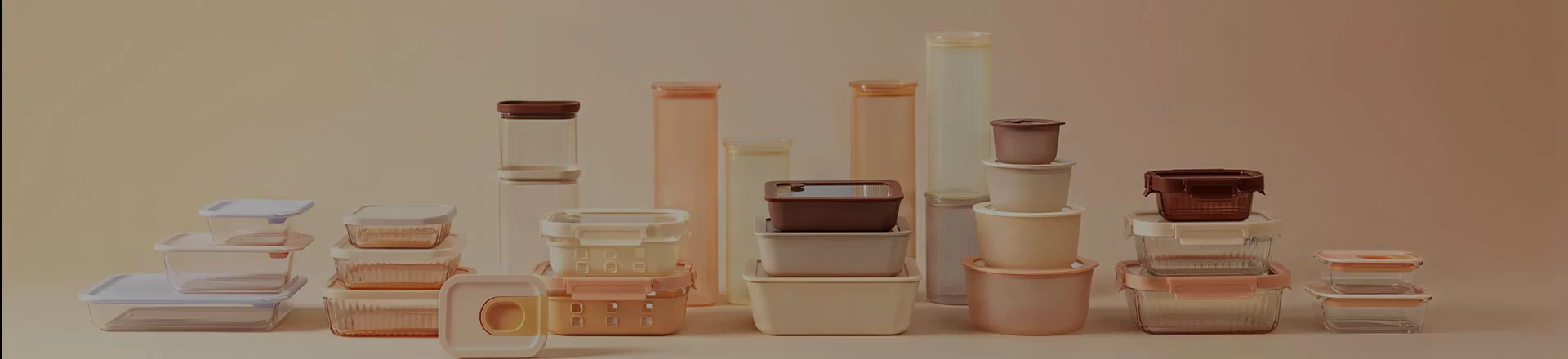
Achieving an organized kitchen starts with the right tools, and glass pantry food storage containers have emerged as the gold standard for modern homeowners. Beyond simple aesthetics, these containers provide a critical barrier against moisture and pests, ensuring that dry goods maintain their nutritional value and flavor for significantly longer periods. By transitioning from plastic to glass, users not only enhance the visibility of their inventory but also commit to a healthier, non-toxic lifestyle.
On a global scale, the shift toward high-quality borosilicate glass solutions reflects a growing consciousness regarding food waste and environmental sustainability. As consumers move away from single-use plastics, the demand for durable, reusable, and airtight storage has spiked. This transition is supported by advancements in glass manufacturing that allow for extreme temperature resistance, making these containers versatile enough to move from the freezer to the oven without the risk of thermal shock.
Understanding the technical nuances of glass pantry food storage containers—from vacuum-sealing mechanisms to material purity—is essential for maximizing their utility. Whether you are managing a high-volume professional pantry or a small home kitchen, the right storage system reduces grocery costs by preventing spoilage and simplifies meal preparation through better organization.

Global Relevance of Glass Pantry Food Storage Containers
The global push toward sustainable living has placed glass pantry food storage containers at the forefront of the kitchenware industry. With international standards like ISO 9001 guiding production, these containers are no longer just household items but are tools for reducing the global carbon footprint. By eliminating the reliance on disposable plastics, these glass systems help mitigate the crisis of microplastics leaching into the food supply chain.
Moreover, food security has become a critical issue highlighted by organizations like the UN. Efficient storage is the first line of defense against food waste. High-grade glass containers provide a hermetic seal that preserves nutrients and prevents oxidative spoilage, ensuring that bulk-purchased grains and legumes remain viable for months, which is particularly crucial in regions with unstable supply chains.
Defining High-Performance Glass Storage Solutions
At its core, glass pantry food storage containers are specialized vessels crafted from high-borosilicate glass, designed specifically to keep food fresh while resisting extreme temperature fluctuations. Unlike standard soda-lime glass, borosilicate glass contains boron trioxide, which significantly lowers the coefficient of thermal expansion. This means these containers can transition from a freezer at -20°C to a microwave or oven at high temperatures without cracking.
In the context of modern industry, these containers represent a convergence of material science and ergonomics. They are designed not just for containment, but for "active preservation." The integration of vacuum lids and silicone gaskets transforms a simple jar into a precision tool that removes oxygen—the primary catalyst for food decay—thereby extending the shelf life of perishables by 3 to 5 times compared to standard containers.
From a humanitarian and health perspective, the use of BPA-free, food-grade glass ensures that no endocrine disruptors migrate into the food. This is a critical requirement for families with children and individuals with chemical sensitivities, making the choice of glass a matter of safety and dignity in the home.
Core Components of Premium Glass Containers
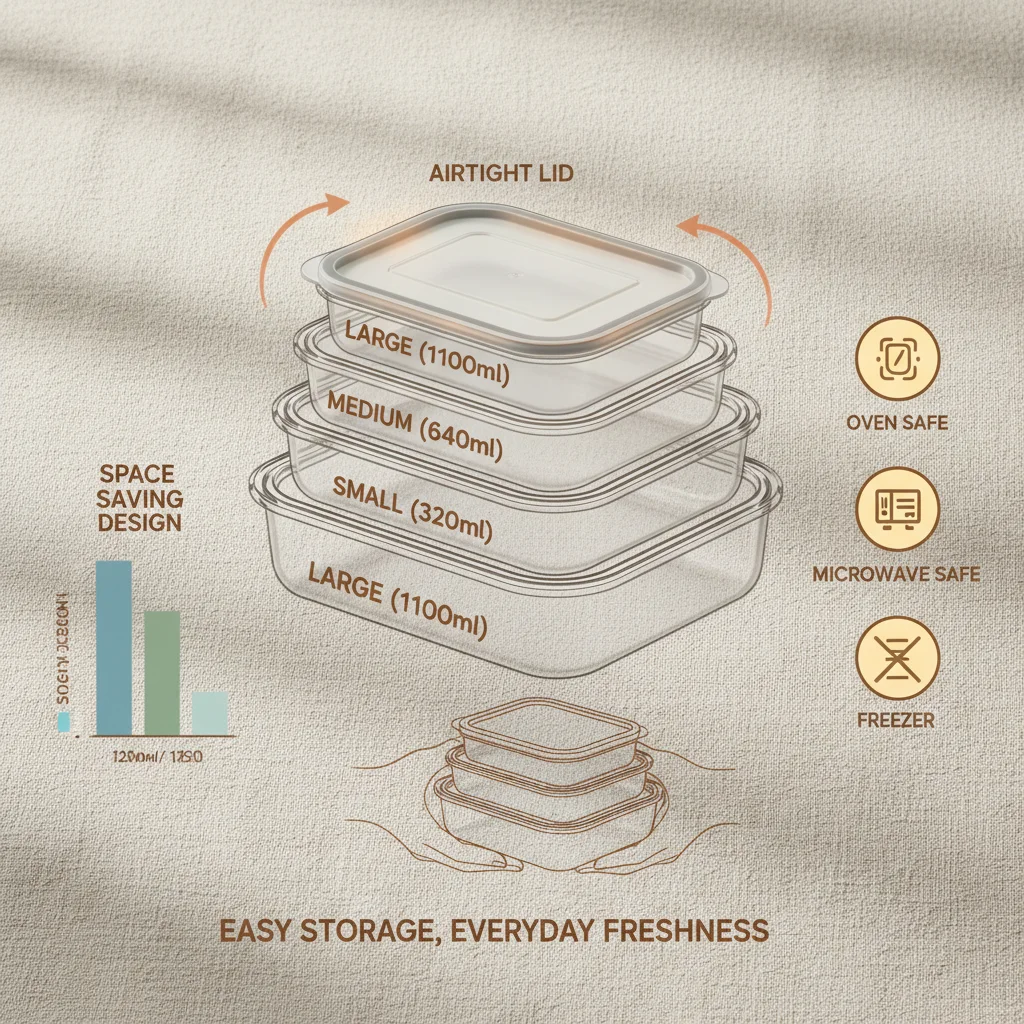
The durability of glass pantry food storage containers is rooted in the high-borosilicate material. This chemical composition allows the glass to withstand internal pressures and external impacts better than traditional glassware. When combined with a stackable design, these containers maximize vertical space in any pantry, providing a scalable solution for both minimalist apartments and large family kitchens.
A critical component is the vacuum-seal lid system. By utilizing a manual air pump or a specialized vacuum valve, these glass pantry food storage containers create a low-oxygen environment. This prevents the oxidation of fats in nuts and seeds and stops the growth of aerobic bacteria, keeping contents fresh for up to 15 days in vacuum mode.
Cost efficiency is realized through the long lifespan of the product. While the initial investment in glass is higher than plastic, the "cost per use" is significantly lower because they do not stain, retain odors, or degrade over time. The wide-mouth design further enhances usability, allowing for easy filling and effortless cleaning, which is essential for maintaining hygienic food storage standards.
Practical Applications Across Diverse Environments
In residential settings, glass pantry food storage containers are used to create "visual pantries," where the transparency of the glass allows for instant inventory checks, reducing duplicate purchases and waste. In professional culinary environments, they are used for "mise en place," where ingredients are prepped and stored in vacuum-sealed glass to ensure peak freshness before service.
Beyond the home, these containers are invaluable in remote industrial zones or post-disaster relief operations where refrigeration may be limited. Their ability to protect food from pests and humidity without requiring electricity makes them a reliable choice for storing emergency rations or medical-grade nutritional supplements in challenging climates.
Preservation Efficiency of Different Glass Pantry Food Storage Containers
Long-Term Value and Sustainability Benefits
The long-term value of investing in glass pantry food storage containers extends far beyond simple organization. From a logical perspective, the non-porous nature of glass prevents the absorption of odors and stains, meaning a container used for pungent spices today can be used for flour tomorrow after a simple wash. This versatility reduces the need to purchase multiple specialized sets of containers.
Emotionally, there is a profound sense of trust and safety that comes with using glass. Knowing that your food is stored in a BPA-free environment provides peace of mind regarding long-term health. Furthermore, the aesthetic clarity of a well-organized glass pantry fosters a sense of calm and control within the home, transforming a mundane chore into a curated experience of mindful consumption.
Future Innovations in Food Preservation Technology
The evolution of glass pantry food storage containers is moving toward "smart" integration. We are seeing the emergence of lids equipped with digital freshness sensors that can monitor the internal atmosphere of the container and alert the user via a smartphone app when the vacuum seal has been compromised or when the food is nearing its expiration date.
Sustainability is also driving material innovation. New tempering processes are making borosilicate glass even lighter and more impact-resistant, bridging the gap between the durability of plastic and the purity of glass. Additionally, the industry is moving toward fully biodegradable silicone components for the seals, ensuring that the entire product remains eco-friendly from production to end-of-life.
Automation in the manufacturing process, such as AI-driven quality control, is ensuring that every container meets strict FDA and LFGB certifications. This eliminates defects in the glass walls, reducing the risk of breakage and ensuring a perfect, airtight seal every time, which is paramount for high-performance vacuum storage.
Overcoming Common Challenges in Glass Storage
One common challenge associated with glass pantry food storage containers is their inherent weight compared to plastic. While this adds to the stability and premium feel, it can be a drawback for some users. The solution lies in the development of thinner, yet stronger, borosilicate walls that maintain thermal resistance while reducing the overall mass of the container.
Fragility is another concern often raised by consumers. However, this can be overcome through professional tempering and the use of protective silicone sleeves for high-traffic environments. Educating users on the difference between standard glass and borosilicate glass is key; the latter's ability to handle thermal shock significantly reduces the likelihood of breakage during everyday use.
Lastly, the cost of high-end vacuum lids can be a barrier. Industry leaders are solving this by offering modular systems where a single pump can work across various container sizes. This reduces the entry cost for consumers while maintaining the high-performance benefits of vacuum preservation.
Comparative Analysis of Glass Pantry Food Storage Container Specifications
| Container Model |
Material Grade |
Seal Efficiency |
Thermal Range |
| Vacuum-Seal Pro |
High Borosilicate |
9.8/10 |
-20°C to 560°C |
| Standard Pantry Jar |
Soda-Lime Glass |
6.5/10 |
0°C to 120°C |
| Eco-Lock Series |
High Borosilicate |
8.5/10 |
-20°C to 400°C |
| Mini Fresh Container |
High Borosilicate |
9.2/10 |
-20°C to 560°C |
| Bulk Storage Vat |
Tempered Glass |
7.8/10 |
-10°C to 200°C |
| Culinary Prep Bowl |
High Borosilicate |
8.0/10 |
-20°C to 560°C |
FAQS
Yes, provided they are made from high borosilicate glass. Our containers can withstand temperatures up to 560°C, making them oven-safe. However, it is crucial to remove the lids (which are typically made of PP and silicone) before heating in an oven or microwave to prevent melting or warping.
Vacuum-sealed glass containers can maintain freshness 3 to 5 times longer than non-vacuum alternatives. For many dry goods and certain perishables, this extends the peak freshness window to 7-15 days by significantly reducing the oxygen levels that cause spoilage.
Absolutely. High borosilicate glass is specifically engineered to resist thermal shock, meaning it won't crack when exposed to freezing temperatures (down to -20°C). This makes them ideal for long-term bulk storage of frozen ingredients.
Yes, because glass is completely non-porous and inert. Even "BPA-free" plastics can leach other chemicals or absorb odors and stains over time. Glass ensures that no chemicals migrate into your food and that the taste of your ingredients remains untainted.
To maintain the seal, ensure the silicone gasket is clean and free of debris before closing the lid. If the seal weakens, simply wipe the rim with a damp cloth and use the air pump to re-establish the vacuum. Regular inspection of the gasket is recommended every few months.
We recommend a mix of capacities. 380ml to 450ml are perfect for seeds and spices; 840ml to 1000ml are ideal for nuts and berries; and 1500ml containers are best for flour, sugar, and grains to maximize storage efficiency.
Conclusion
The transition to glass pantry food storage containers is more than a trend in home organization; it is a commitment to health, sustainability, and economic efficiency. By leveraging the properties of high borosilicate glass and the power of vacuum technology, users can drastically reduce food waste and eliminate toxic plastic from their living spaces. The combination of thermal durability, airtight security, and aesthetic clarity makes these containers an indispensable asset for any modern kitchen.
Looking forward, the integration of smart monitoring and even more sustainable materials will further refine how we preserve our food. We suggest starting with a modular set of various sizes to experience the immediate benefits of an organized, vacuum-sealed pantry. Investing in quality glass today ensures a healthier tomorrow and a more sustainable planet. Visit our website for premium solutions: www.ikoo-glass.com