The Ultimate Guide to Choosing Big Glass Food Storage Containers
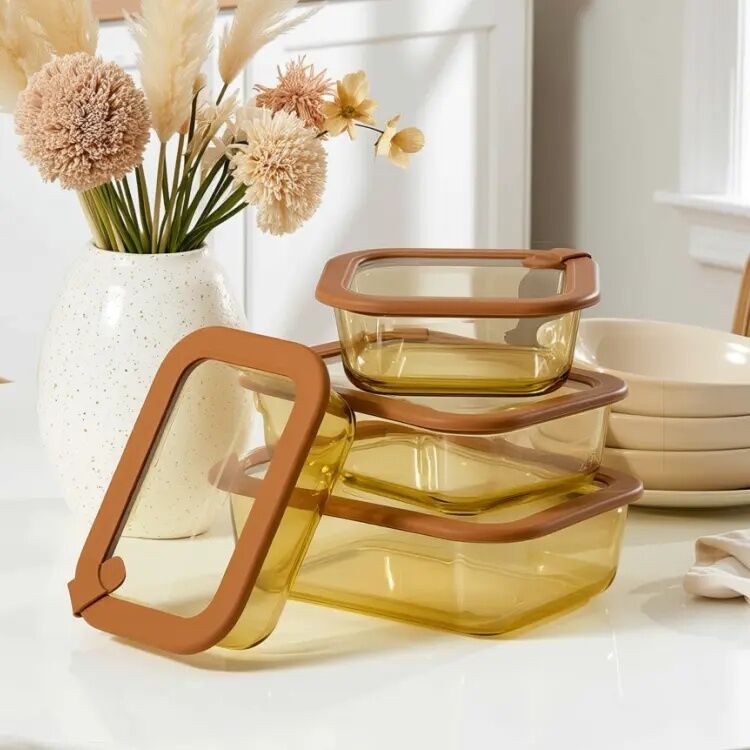
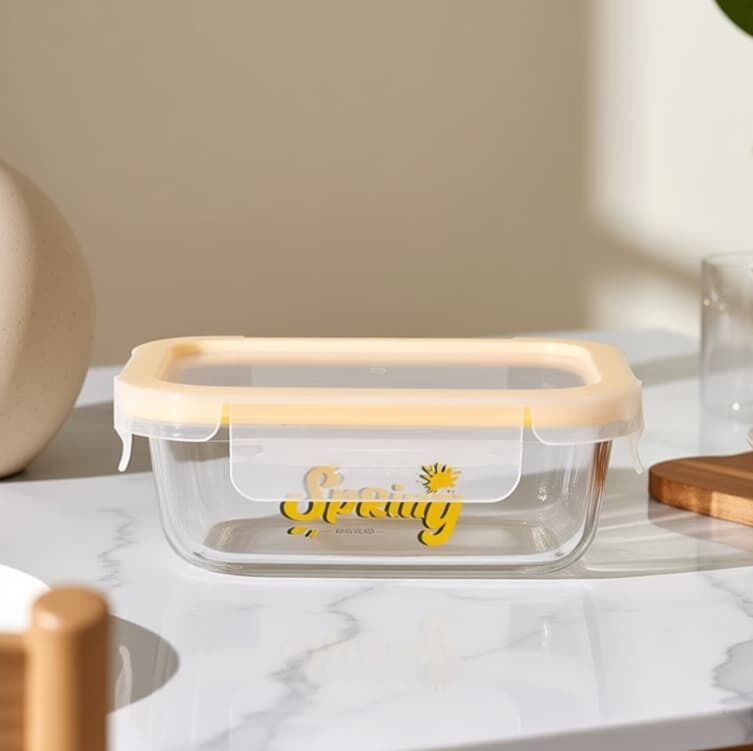
Maintaining food freshness while reducing plastic waste has become a priority for modern kitchens. Investing in high-quality big glass food storage containers is one of the most effective ways to achieve this. Unlike plastic, borosilicate glass does not leach chemicals into your food and is far more resistant to odors and stains. Whether you are preparing weekly meal preps, storing bulk grains, or preserving leftovers, the right size and quality of glassware make a world of difference. In this guide, we will explore why large-capacity glass containers are a game-changer for organization and health.

Why Switch to Big Glass Food Storage Containers?
Many homeowners struggle with cluttered pantries and mismatched plastic tubs that warp over time. Transitioning to big glass food storage containers provides a sustainable, long-term solution. Glass is non-porous, meaning it won't absorb the smell of last week's garlic or the orange tint of tomato sauce. Furthermore, larger containers allow you to buy in bulk, reducing the number of trips to the grocery store and lowering your overall food costs. The transparency of glass also ensures you can see exactly what is inside at a glance, reducing food waste by preventing forgotten items from expiring in the back of the fridge.
Health Benefit: Glass containers are BPA-free and phthalate-free, ensuring that no endocrine disruptors migrate into your meals, especially when heating food in the microwave.
Comparing Glass vs. Plastic for Bulk Storage
When evaluating storage options, the debate usually centers on weight versus durability. While plastic is lighter, it falls short in terms of hygiene and longevity. big glass food storage containers offer superior airtight seals, which are critical for keeping dry goods like flour or pasta crisp. The thermal shock resistance of high-grade glass also allows these containers to move from the freezer to the oven without cracking, a versatility that plastic simply cannot match.
Optimal Use Cases for Big Glass Food Storage Containers
Not all storage needs are the same, but big glass food storage containers are particularly useful for specific kitchen tasks. For those who practice meal prepping, a large glass container can hold a full week's worth of a base ingredient, such as quinoa or roasted vegetables. In the pantry, they are ideal for storing bulk-purchased nuts, seeds, and grains, protecting them from pests and humidity. Additionally, they serve as excellent marinating vessels for large cuts of meat, as the glass does not react with acidic ingredients like vinegar or lemon juice.

Choosing the Right Specifications for Your Needs
When shopping for big glass food storage containers, it is important to look at the material and the lid type. Borosilicate glass is highly recommended over soda-lime glass due to its ability to withstand sudden temperature changes. The lid should ideally be made of BPA-free plastic or bamboo with a silicone seal to ensure an airtight environment. Below are the standard specifications typically found in professional-grade large containers.
Maintenance Tips for Long-Lasting Glassware
To ensure your big glass food storage containers last for years, proper care is essential. While borosilicate glass is tough, it can still break if dropped on hard surfaces. We recommend using a soft sponge for cleaning to avoid scratching the surface. For lids with silicone seals, it is best to hand wash them to maintain the elasticity of the gasket. If you notice a stubborn residue, a paste of baking soda and water can easily remove it without the need for harsh chemicals.
Quick Care Checklist:
• Use dishwasher-safe settings for the glass base
• Avoid sudden extreme temperature shifts (e.g., boiling water on frozen glass)
• Check lid seals monthly for tightness
• Store stacked containers with a protective liner if they are very heavy
Environmental Impact of Choosing Glass over Plastic
Choosing big glass food storage containers is a powerful step toward a zero-waste lifestyle. Single-use plastics and low-quality containers often end up in landfills, where they take hundreds of years to decompose. Glass, on the other hand, is infinitely recyclable. By using larger containers, you also reduce the need for multiple smaller packages, effectively decreasing the overall amount of packaging waste entering your home. This shift not only cleans up your kitchen but contributes to a healthier planet.
Conclusion: Upgrade Your Kitchen with Glass
Switching to big glass food storage containers is an investment in both your health and the environment. With their superior durability, non-toxic nature, and versatile applications, they far outperform traditional plastic alternatives. Whether you are looking to organize your pantry or improve your meal prep efficiency, the clarity and quality of borosilicate glass provide the perfect solution. Make the switch today for a cleaner, safer, and more organized home.
Frequently Asked Questions (FAQs)
Are big glass food storage containers microwave and oven safe?
Yes, provided they are made from borosilicate glass. This specific type of glass is designed to handle high temperatures without cracking. However, it is crucial to remove the lid (especially if it is plastic or bamboo) before placing the container in the oven or microwave. Always check the manufacturer's specific temperature limits to ensure safety during heating.
How do I prevent my large glass containers from breaking?
The most common cause of glass breakage is thermal shock. To prevent this, avoid moving a container directly from the freezer into a preheated oven. Instead, let it thaw slightly or use a gradual heating process. Additionally, using a silicone mat on your countertop can provide extra cushioning when placing heavy, large containers down, reducing the risk of impact cracks.
Can I store liquids in these big glass containers for long periods?
Absolutely. Because big glass food storage containers are non-reactive, they are ideal for liquids like soups, stews, or fermented vegetables. Ensure the lid has a high-quality silicone seal to prevent leaks and oxidation. Glass is the preferred material for long-term liquid storage as it does not absorb flavors or leach chemicals into the liquid over time.
Are glass containers too heavy for daily use?
While glass is heavier than plastic, the benefits of hygiene and durability far outweigh the weight difference. Many modern borosilicate glass containers are engineered to be as thin as possible without sacrificing strength. For those managing bulk storage, the stability of a heavier glass base is actually an advantage, as it prevents the containers from tipping over when filled with heavy ingredients like flour or sugar.