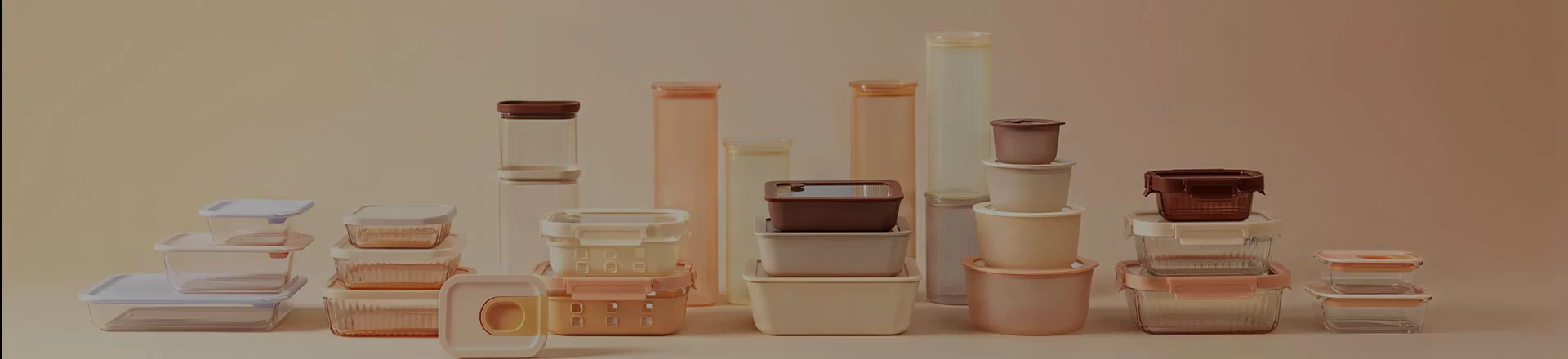
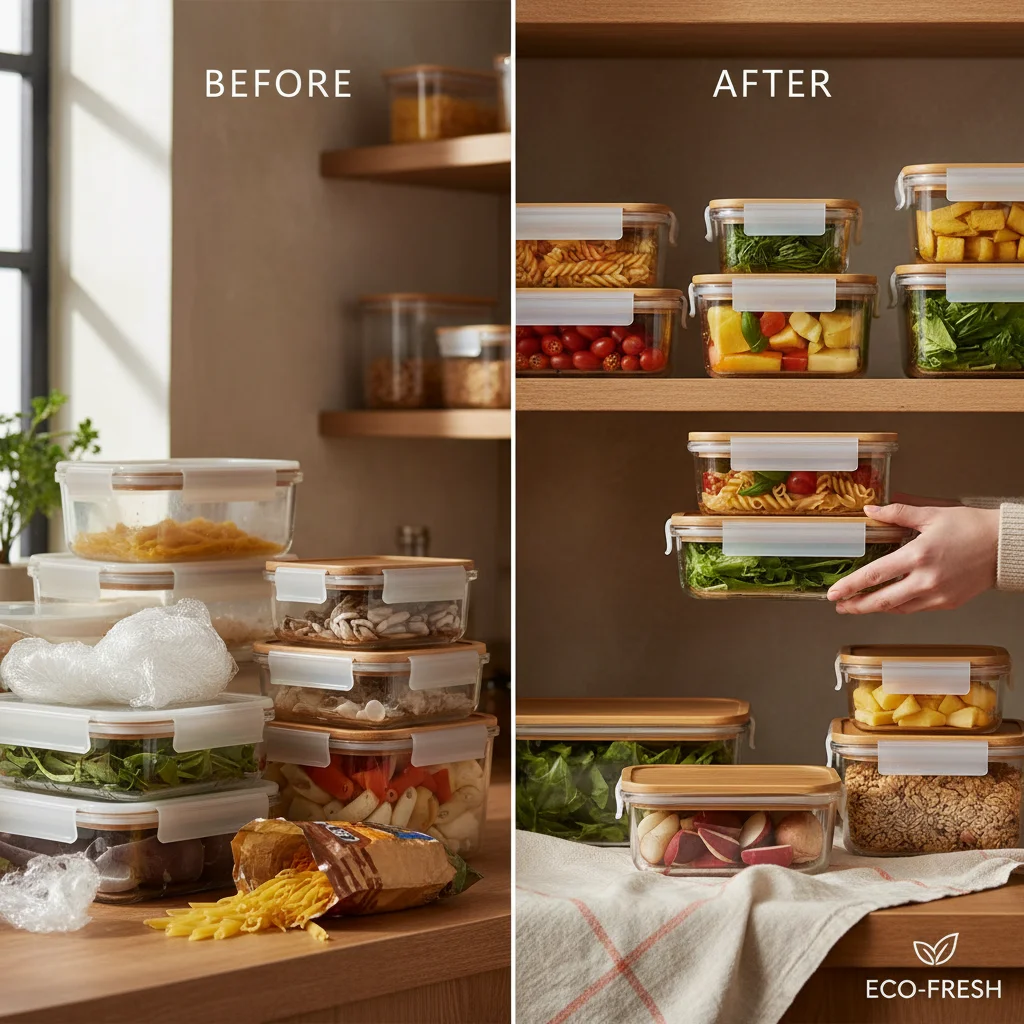
Finding high-quality yet cheap glass food storage containers has become a priority for modern households seeking to reduce plastic waste while maintaining food freshness. These containers offer a sustainable alternative to single-use plastics, providing a non-reactive environment that preserves the taste and nutritional value of meals. As global awareness of endocrine disruptors in plastics rises, the demand for affordable, health-conscious storage solutions has surged.
The global shift toward sustainable living is mirrored in the food packaging industry, where borosilicate glass is emerging as the gold standard for versatility and safety. By balancing affordability with professional-grade materials, cheap glass food storage containers enable consumers to implement meal-prepping habits that are both economical and environmentally responsible. This transition is supported by advancements in manufacturing that allow for high-durability glass to be produced at a competitive price point.
Understanding the technical specifications of these containers—such as thermal shock resistance and airtight sealing—is crucial for maximizing their lifespan. When users opt for cheap glass food storage containers that meet international safety standards like FDA and LFGB, they invest in a product that serves multiple functions: from freezing and refrigeration to microwave heating. This versatility ensures that the value proposition extends far beyond the initial purchase price.

The Material Science of Affordable Borosilicate Glass
High borosilicate glass is the foundation of the most effective cheap glass food storage containers. Unlike standard soda-lime glass, borosilicate glass contains boron trioxide, which significantly lowers the coefficient of thermal expansion. This scientific property allows the containers to withstand rapid temperature changes without cracking, making them ideal for moving food directly from the freezer to the microwave.
From a commercial standpoint, the optimization of borosilicate production has made these professional-grade tools accessible to the average consumer. By focusing on high-purity raw materials and precise annealing processes, manufacturers can provide containers that are not only affordable but also incredibly resilient against the daily wear and tear of a busy kitchen.
Essential Features for Maximum Freshness Preservation
The efficacy of cheap glass food storage containers relies heavily on the sealing mechanism. A high-quality silicone gasket paired with a secure locking lid ensures an airtight environment that prevents oxidation and cross-contamination. This leak-proof design is essential for transporting liquids like soups or sauces without the risk of spills, providing peace of mind for commuters and students.
Another critical innovation is the integration of removable colanders (baskets). These allow users to wash, drain, and store produce in a single vessel, reducing the number of dishes used and preventing vegetables from sitting in stagnant water, which accelerates spoilage. The use of BPA-free PP for these baskets ensures that health standards are maintained even in budget-friendly options.
Freshness preservation is further enhanced by vented lids, which allow steam to escape during microwave heating. This prevents the vacuum-seal effect that can cause lids to pop or food to become soggy, ensuring that the texture and flavor of the meal are preserved. When these features are combined, the result is a highly functional tool that maximizes the utility of every dollar spent.
Versatility Across Temperature Extremes
The primary appeal of investing in cheap glass food storage containers is their ability to handle extreme thermal transitions. Whether it is the sub-zero environment of a deep freezer or the intense heat of a microwave, borosilicate glass remains stable. This eliminates the need for transferring food between different bowls, streamlining the cooking and reheating process.
Safety is paramount when heating food. Unlike plastic containers, which may leach harmful chemicals when exposed to heat, these glass solutions are chemically inert. This means that even when using cheap glass food storage containers, you are guaranteed a non-toxic experience that protects your family's long-term health while maintaining food purity.
Beyond the microwave, the dishwasher-safe nature of these containers ensures that hygiene is maintained with minimal effort. The combination of a glass body and a durable silicone gasket allows for repeated cleaning cycles without degrading the seal's integrity, proving that affordability does not have to come at the cost of longevity.
Evaluating Cost-Efficiency and Durability
When analyzing the value of cheap glass food storage containers, it is important to look at the "cost-per-use" rather than the initial price. Because borosilicate glass does not stain or absorb odors, these containers can be used for years without needing replacement, unlike plastic alternatives that degrade and discolor over time.
The integration of various capacities—such as 1050ml, 1520ml, and 1800ml—allows users to optimize their storage space and food portions. This scalability ensures that users only buy what they need, further increasing the overall cost-efficiency of their kitchen organization system.
Performance Metrics of Various Glass Storage Solutions
Global Applications in Modern Meal Prepping
Across urban centers in North America, Europe, and Asia, cheap glass food storage containers have become indispensable for the "meal prep" movement. Professionals who prepare their weekly meals on Sundays rely on the airtight seals to keep ingredients fresh until Friday, significantly reducing daily food expenditure and improving dietary habits.
In the hospitality and catering sectors, these containers are used for small-batch prep and portion control. Their transparency allows chefs to identify contents instantly, while their stackable design optimizes limited refrigerator space in high-pressure kitchen environments.
Sustainability and the Reduction of Plastic Waste
The environmental impact of switching to cheap glass food storage containers cannot be overstated. Millions of tons of plastic food containers end up in landfills and oceans annually. By choosing a reusable glass option, a single household can prevent hundreds of plastic bags and containers from entering the waste stream over a few years.
Moreover, glass is 100% recyclable without loss of quality, unlike plastic which degrades each time it is processed. This supports a circular economy where materials are reused and recycled indefinitely, aligning with global sustainability goals set by organizations such as the UN Environment Programme.
The psychological shift toward "zero-waste" living is often started with simple changes in the kitchen. Providing access to affordable, high-quality glass storage lowers the barrier to entry for families who want to be eco-friendly but are constrained by a tight budget.
Quality Standards and International Certifications
To ensure that cheap glass food storage containers are truly safe, they must adhere to strict international certifications. BSCI and ISO certifications ensure that the manufacturing process is ethical and consistent. For the consumer, FDA, LFGB, and DGCCRF certifications are the most critical, as they guarantee that the materials used (glass, silicone, and PP) are food-grade and free from hazardous substances.
These certifications prove that "cheap" does not mean "low quality." Instead, it reflects an optimized supply chain and efficient manufacturing. When a container is certified as BPA-free and lead-free, it ensures that no toxins migrate into the food, regardless of the temperature or the acidity of the contents.
By prioritizing certified products, wholesalers and retailers can guarantee a standard of safety that protects the end-user. This commitment to quality control is what separates professional-grade glass containers from generic, uncertified alternatives.
Analysis of Quality Certifications for Glass Storage Containers
| Certification |
Primary Focus |
Consumer Benefit |
Compliance Level |
| FDA |
US Food Safety |
Non-toxic materials |
High |
| LFGB |
EU Food Grade |
Strict chemical limits |
Very High |
| BSCI |
Social Compliance |
Ethical production |
Standard |
| ISO 9001 |
Quality Management |
Consistent product quality |
High |
| DGCCRF |
French Safety Regs |
European market safety |
High |
| BPA-Free |
Chemical Absence |
No endocrine disruptors |
Essential |
FAQS
Yes, provided they are made from high borosilicate glass. Borosilicate glass is engineered to withstand thermal shock, meaning it can be heated in a microwave without cracking. However, it is crucial to remove the lid or open the vent to allow steam to escape, preventing pressure buildup. Always check for the "microwave safe" label to ensure the materials meet safety standards.
Silicone is generally non-porous, but odors can linger if food particles are trapped. To clean them, remove the gasket from the lid and soak it in a mixture of warm water and baking soda or white vinegar for 30 minutes. Scrub gently with a soft brush and rinse thoroughly. This restores the gasket's neutrality without damaging the seal.
While borosilicate glass is highly heat-resistant, you should only use the glass container itself in the oven—never the plastic lid. Most high-quality glass food storage containers can withstand oven temperatures, but always refer to the manufacturer's specific temperature limit to avoid potential stress fractures from extreme heat.
Absolutely. Glass is excellent for freezing as it doesn't leach chemicals. However, to prevent the glass from cracking due to food expansion (especially liquids), leave about an inch of headspace at the top of the container. When reheating, let the container sit at room temperature for a few minutes or use a defrost setting to avoid extreme thermal shock.
Borosilicate glass contains boron trioxide, which makes it much more resistant to temperature changes (thermal shock) and chemical erosion. Soda-lime glass is the common glass used in jars and windows; while affordable, it is more prone to cracking when moving from cold to hot environments. Borosilicate is the preferred choice for high-performance food storage.
A truly leak-proof container features a precise fit between the lid, a high-grade silicone gasket, and a mechanical locking system (like 4-lock clips). To test it, fill the container with water, seal it tightly, and turn it upside down over a sink. If no droplets escape, the vacuum seal is functioning correctly, making it safe for transporting liquids.
Conclusion
Transitioning to cheap glass food storage containers is a strategic move for anyone looking to balance health, budget, and environmental responsibility. By utilizing high borosilicate glass and airtight sealing technology, these containers solve the dual problem of food waste and plastic pollution while offering unmatched versatility in the kitchen. From the freezer to the microwave, the durability and safety certifications ensure that these products provide long-term value far exceeding their initial cost.
As we look toward a future of sustainable consumption, the adoption of reusable, non-toxic storage solutions will become the standard rather than the exception. We encourage consumers to prioritize certified borosilicate products to ensure maximum safety and longevity. For those seeking a reliable, eco-friendly, and cost-effective storage solution, we invite you to explore our professional range. Visit our website: www.ikoo-glass.com