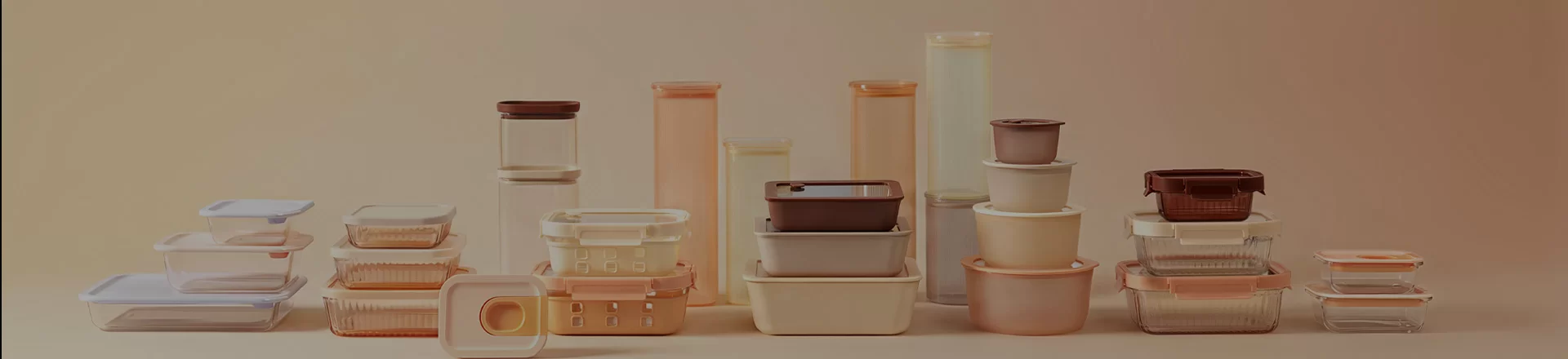
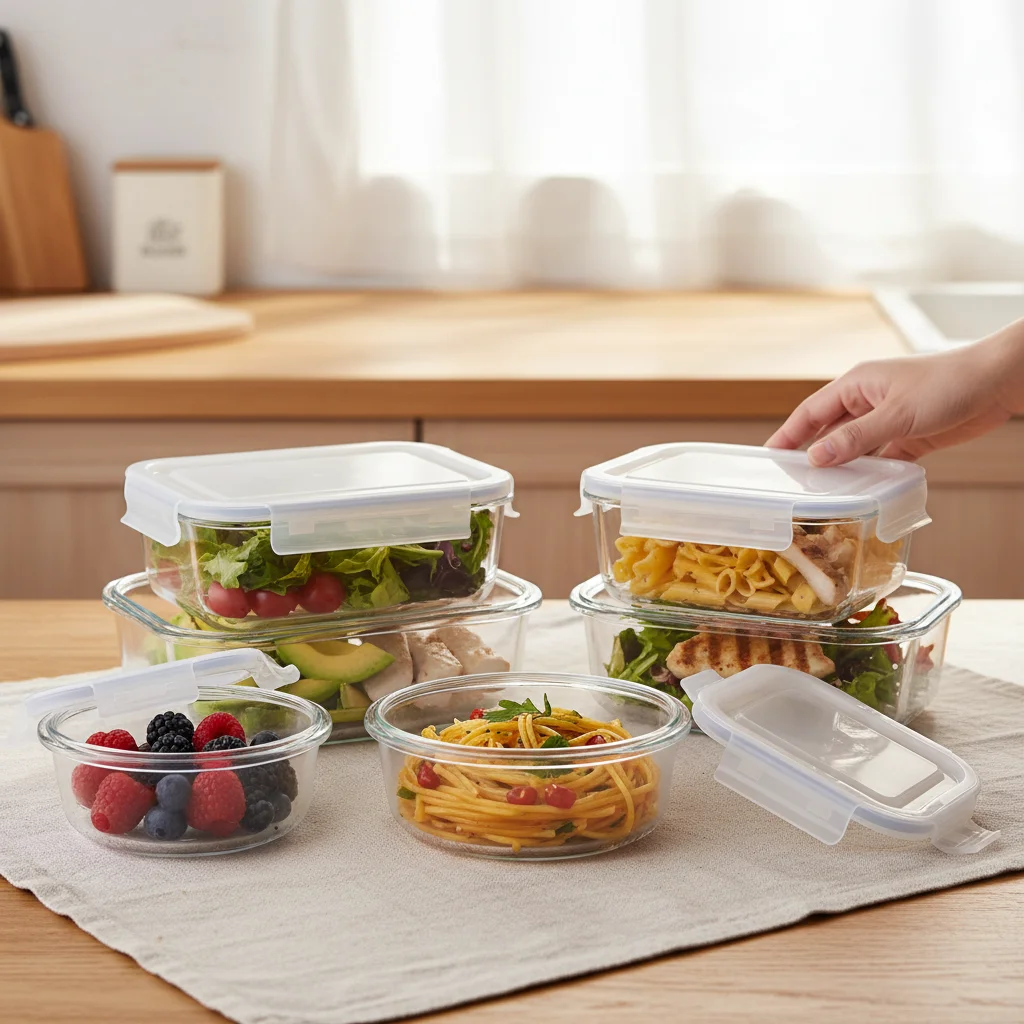
In the modern kitchen, the intersection of functionality and aesthetics has given rise to a significant trend: the adoption of cute glass food storage containers. These vessels are no longer just utilitarian tools for preserving leftovers; they have become lifestyle statements that promote organized living and mindful eating. By blending high-quality borosilicate glass with charming designs, these containers help users transform a cluttered pantry into a visually appealing space.
Globally, there is a shifting preference toward sustainable materials as consumers move away from single-use plastics. The appeal of cute glass food storage containers lies in their ability to provide a non-toxic, eco-friendly alternative that doesn't sacrifice style. From the minimalist apartments of Tokyo to the bustling family homes of New York, the desire for "Instagrammable" yet practical kitchenware is driving a surge in demand for glassware that is as pleasing to the eye as it is effective in the fridge.
Understanding the nuances of these products—ranging from lid seal integrity to thermal shock resistance—is essential for anyone looking to optimize their food preservation strategy. By investing in aesthetically pleasing glass storage, users often find a psychological incentive to meal prep more consistently, leading to healthier dietary habits and a significant reduction in household food waste.
The Global Appeal of Cute Glass Food Storage Containers
The global market for kitchenware has seen a dramatic pivot toward "visual organization," where cute glass food storage containers play a central role. According to industry trends aligned with ISO quality standards, there is an increasing demand for materials that are chemically inert and BPA-free. The "cute" aspect—incorporating pastel colors, rounded edges, or bamboo lids—addresses the emotional need for a comforting and curated home environment, making the mundane task of food storage an act of self-care.
This trend is particularly evident in urban centers where space is limited. When storage is visible, the aesthetic quality of the container becomes as important as its volume. By utilizing high-transparency glass, consumers can easily identify contents while maintaining a cohesive look in their cabinetry. This synergy of form and function is what elevates these containers from simple tools to essential home decor.
Defining the Modern Aesthetic of Glass Storage
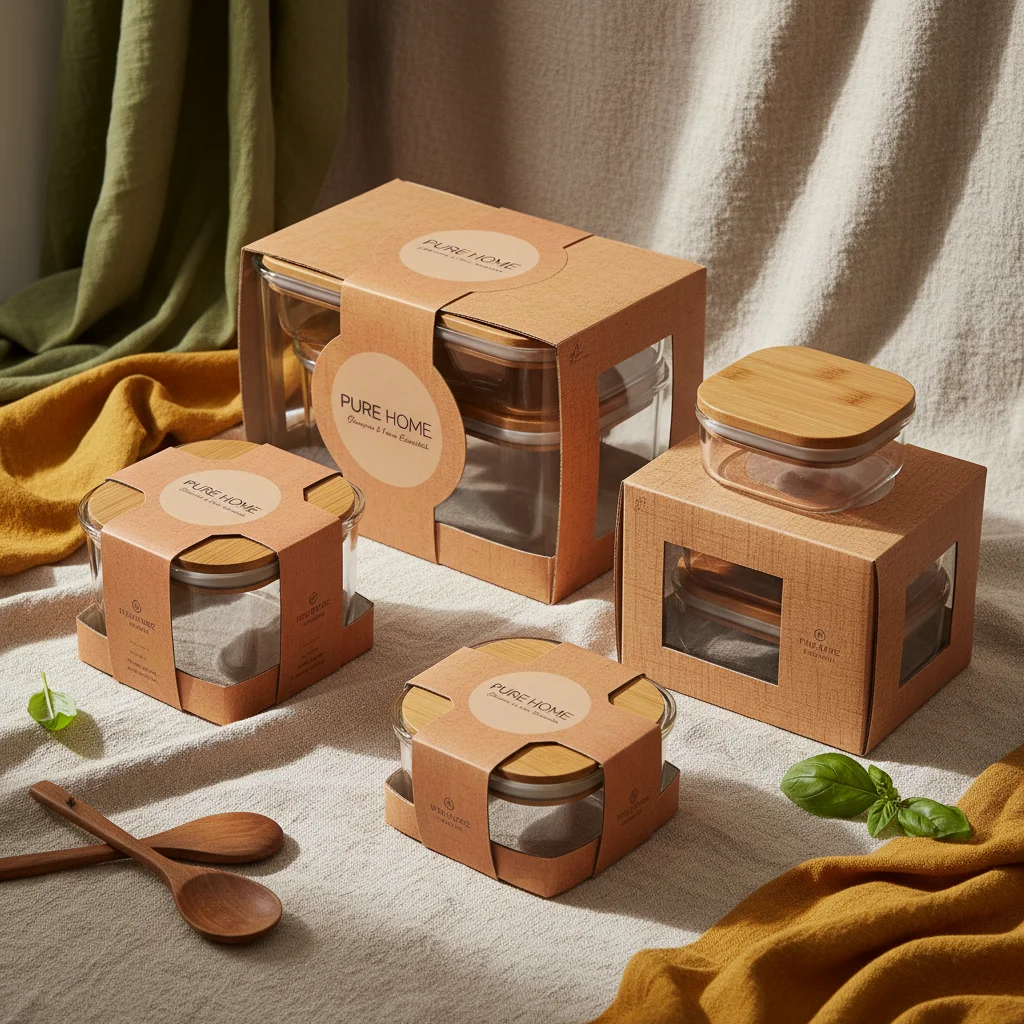
When we speak of cute glass food storage containers, we are referring to a specific category of glassware that prioritizes a harmonious blend of soft design elements and industrial-grade durability. Unlike the bulky, clinical glass containers of the past, modern "cute" versions often feature streamlined silhouettes, ergonomic shapes, and a variety of lid materials—such as eco-friendly wood or colored silicone—that add a touch of warmth to the coldness of glass.
From a manufacturing perspective, this involves precision molding and tempering processes that ensure the glass remains thin enough to be elegant but strong enough to withstand daily wear and tear. The "cute" factor is often achieved through subtle details: a perfectly rounded corner, a soft-touch seal, or a specialized coating that gives the glass a frosted or tinted appearance, appealing to the Gen Z and Millennial demographics who value aesthetic curation.
Beyond the looks, these containers serve a critical humanitarian and health purpose by eliminating the leaching of phthalates and bisphenols common in plastic alternatives. By choosing glass, users are opting for a material that does not absorb odors or stains, ensuring that the food inside remains pure and the container remains visually pristine over years of use.
Core Components of High-Quality Glass Containers
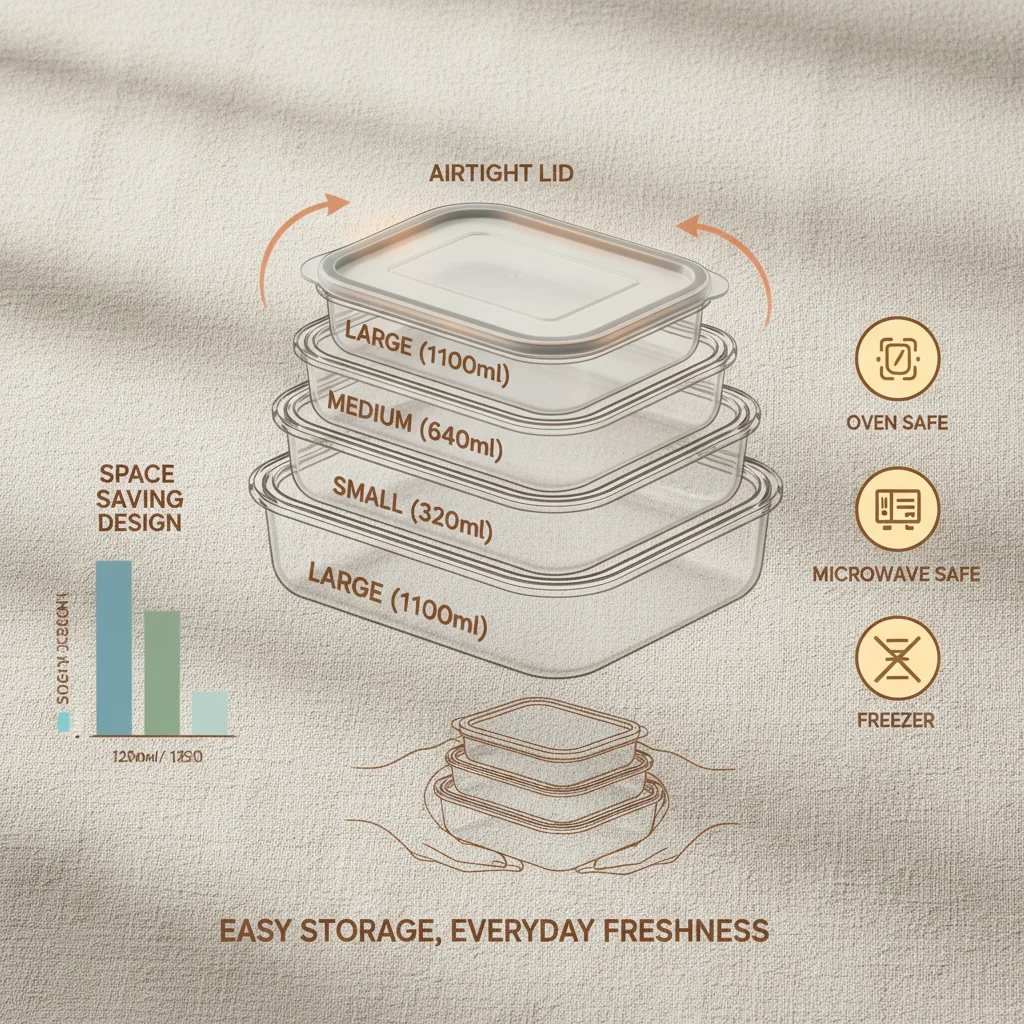
The durability of cute glass food storage containers begins with the material composition. Most premium options utilize borosilicate glass, which is engineered to handle extreme temperature fluctuations. This means you can move a container from the freezer to the oven without risking a thermal fracture, providing a seamless transition from storage to serving.
A critical component is the sealing mechanism. Whether it is a four-lock snap system or a simple press-fit bamboo lid, the goal is to create an airtight environment. High-quality silicone gaskets are used to prevent leakage, ensuring that liquids stay inside and external air stays out, which significantly extends the shelf life of fresh produce and prepared meals.
Finally, the versatility of the design allows these containers to scale across different needs. From mini glass containers for dips and sauces to large mixing bowls, the ability to stack these items efficiently is key. The "cute" design often incorporates stackable lids, allowing for maximum space utilization in small refrigerators while maintaining an organized, tiered look.
Practical Applications in Everyday Life
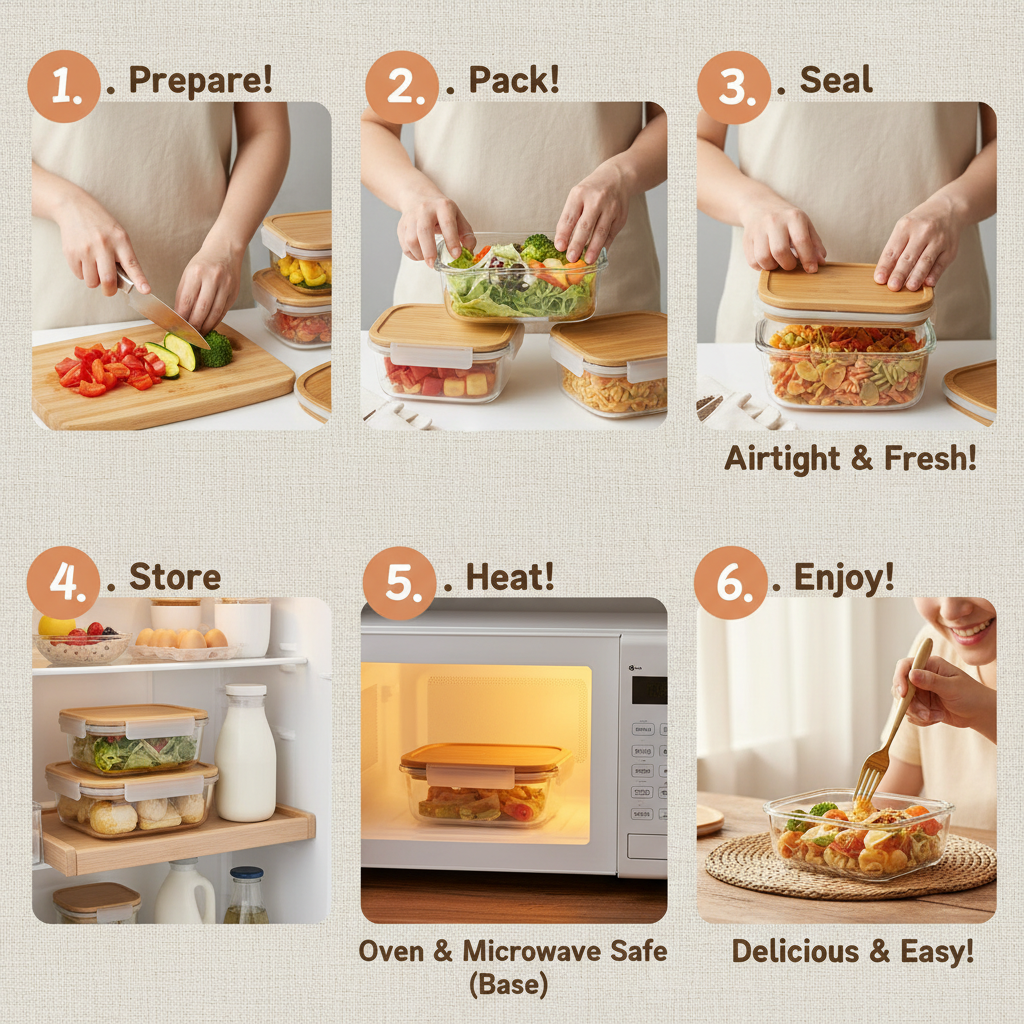
In real-world scenarios, cute glass food storage containers are utilized far beyond simple leftover storage. In the professional world, they are favorites for "meal preppers" who bring their lunches to the office; the glass allows for easy microwave reheating without the guilt of plastic chemicals. In the culinary world, chefs use smaller, aesthetically pleasing glass jars for "mise en place," keeping ingredients organized and visually accessible during high-pressure cooking.
Moreover, these containers are increasingly used in specialized dietary management. For individuals following strict nutritional plans, the transparency of the glass allows for precise visual portion control. In regions with a strong focus on zero-waste living, such as Scandinavia and Japan, these containers are used as permanent replacements for plastic wraps and foil, reducing the environmental footprint of the average household.
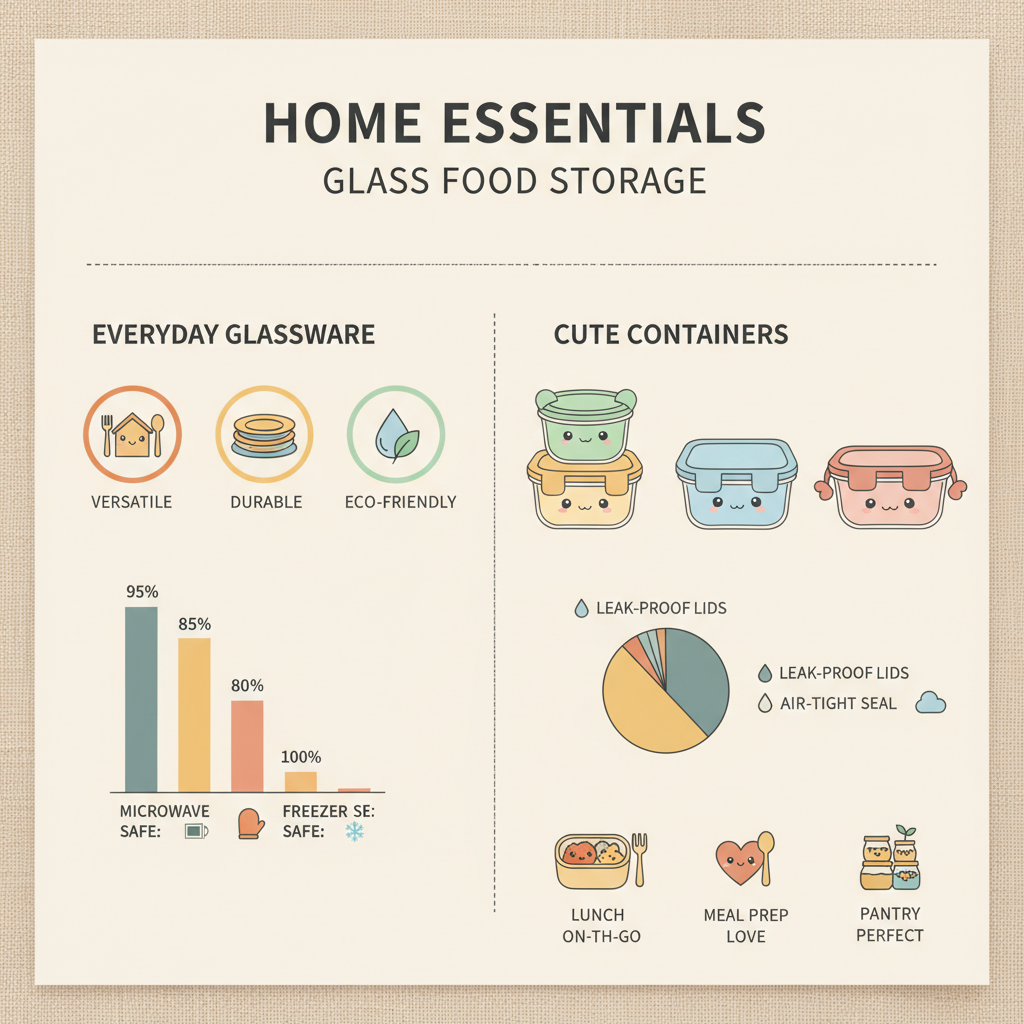
Performance Comparison of Cute Glass Food Storage Containers Styles
Long-Term Value and Sustainability Benefits
The long-term value of investing in cute glass food storage containers is measured both economically and environmentally. Unlike plastic containers that warp, stain, and eventually end up in a landfill, high-quality glass is virtually permanent if handled correctly. The reduction in "replacement costs" over a decade makes glass a far more cost-effective choice for the conscientious consumer.
From an emotional standpoint, these containers provide a sense of dignity and order in the home. The act of placing fresh berries or homemade salads into a beautiful glass vessel encourages a healthier relationship with food. This psychological shift, combined with the objective safety of non-reactive glass, creates a foundation of trust between the consumer and the products they use to feed their families.
Future Innovations in Food Preservation Glassware
Looking ahead, the evolution of cute glass food storage containers is leaning toward "smart" integration and advanced material science. We are seeing the emergence of antimicrobial coatings that are fused into the glass surface to further inhibit bacterial growth without the use of harsh chemicals. Additionally, the integration of vacuum-sealing technology into aesthetically pleasing glass designs is becoming a reality, allowing for professional-grade preservation in a home setting.
Sustainability is also driving innovations in the lids. While bamboo is currently popular, new biodegradable bio-polymers are being developed that mimic the durability of plastic but decompose naturally. This ensures that every part of the container—not just the glass—aligns with a circular economy.
Digital transformation is also playing a role, with some manufacturers exploring QR-coded lids that link to inventory management apps. This allows users to track expiration dates and receive recipe suggestions based on the ingredients currently stored in their cute glass containers, merging digital convenience with physical beauty.
Overcoming Common Challenges in Glassware Usage
Despite their many advantages, users of cute glass food storage containers often face challenges such as weight and fragility. Glass is inherently heavier than plastic, which can be a drawback for those commuting long distances. However, the industry is responding by developing "lightweight borosilicate" formulas that maintain strength while reducing the overall mass of the container.
Fragility is another common concern. To mitigate this, manufacturers are implementing reinforced rims and tempered bases that distribute impact stress more effectively. Expert advice suggests using silicone sleeves or protective carrying bags, which not only prevent breakage but also add to the "cute" aesthetic of the product.
Another challenge is the maintenance of wooden lids, which can mold if not dried properly. The solution lies in the application of food-grade mineral oil coatings and the education of the consumer on proper drying techniques. By combining innovative product design with user education, these minor hurdles are easily overcome.
Comparative Analysis of Glass Storage Solutions
| Container Type |
Aesthetic Score |
Durability Rating |
Eco-Friendliness |
| Bamboo Lid Glass |
10/10 |
8/10 |
Excellent |
| 4-Lock Plastic Lid |
7/10 |
10/10 |
Moderate |
| Amber Tinted Glass |
9/10 |
9/10 |
High |
| Mini-Jar Set |
9/10 |
7/10 |
High |
| Stainless Steel Lid |
8/10 |
10/10 |
Excellent |
| Frosted Glass |
8/10 |
8/10 |
High |
FAQS
Most high-quality cute glass containers are made from borosilicate glass, which is oven-safe. However, it is critical to check if the lid is glass or silicone/wood; non-glass lids should always be removed before heating. We recommend avoiding sudden temperature shocks, such as placing a frozen glass container directly into a preheated oven, to prevent cracking.
To keep your bamboo lids in top condition, avoid soaking them in water for extended periods. Instead, wipe them with a damp cloth and mild soap, then dry them immediately with a towel. Periodically applying a food-grade mineral oil can help seal the wood and maintain its "cute" and fresh appearance over time.
Yes, provided they feature a silicone gasket and a secure locking mechanism (like the 4-lock system). These components create a vacuum-like seal that prevents liquids from escaping and air from entering. Always ensure the gasket is properly seated in the lid to maintain a 100% leak-proof experience.
One of the biggest advantages of glass is that it is non-porous. Unlike plastic, which absorbs pigments from foods like tomato sauce or turmeric, glass does not stain. A simple wash with soap and water will return the container to its original crystal-clear state, ensuring your food storage remains visually appealing.
Generally, the glass body is completely dishwasher safe. For the lids, it depends on the material. Silicone and stainless steel lids are usually dishwasher safe, but bamboo lids should be hand-washed to prevent the wood from warping or cracking due to high heat and moisture.
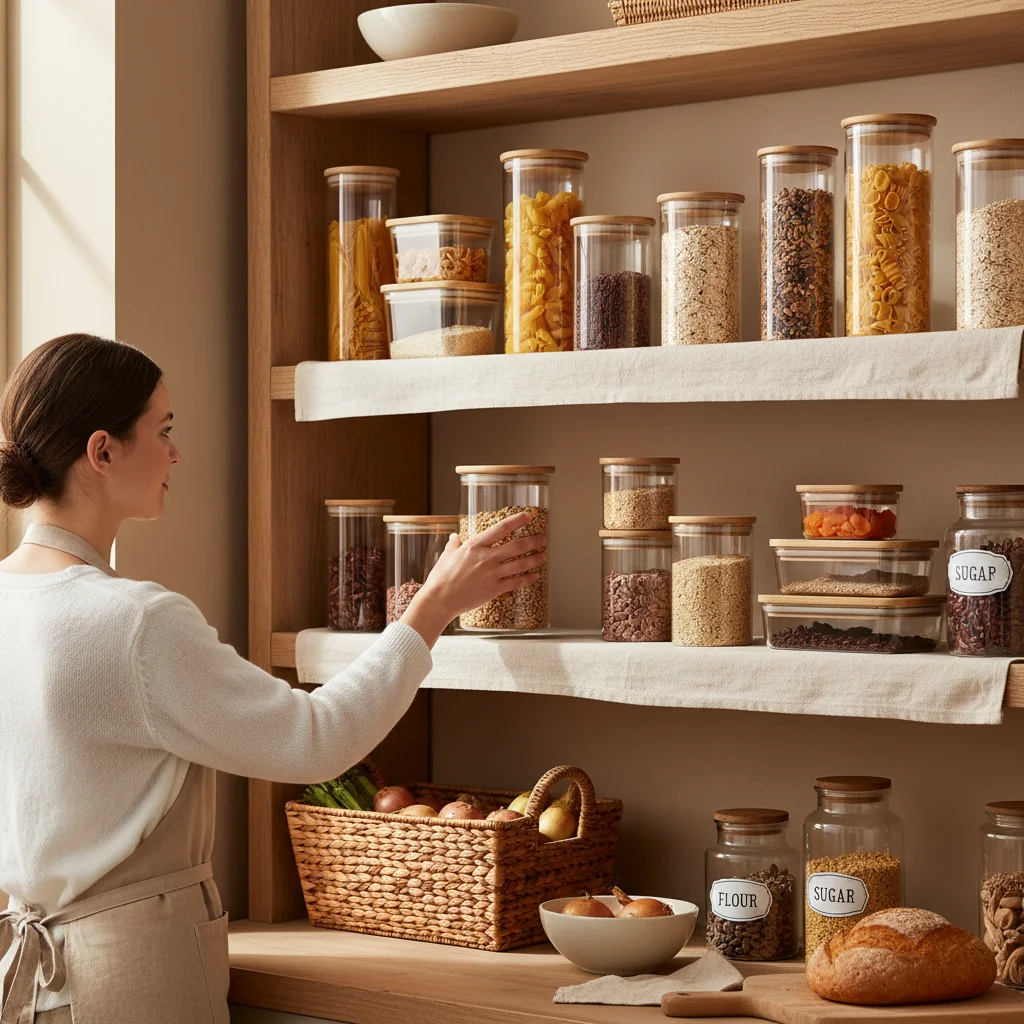
The best approach is to group items by category (e.g., grains, snacks, baking) and use stackable glass containers to maximize vertical space. Since the containers are transparent, you can use minimalist labels on the lids or sides to maintain a clean, "cute" aesthetic while ensuring you can find exactly what you need at a glance.
Conclusion
In summary, cute glass food storage containers represent far more than a passing design trend; they are a fusion of health-conscious material science and the psychological desire for an organized, beautiful home. By prioritizing borosilicate glass, airtight sealing, and sustainable aesthetics, these containers offer a superior alternative to plastic, reducing environmental waste while enhancing the daily experience of food preparation and storage.
As we move toward a future of more mindful consumption, integrating such high-quality glassware into your kitchen is a step toward a more sustainable and aesthetically pleasing lifestyle. We encourage you to transition your storage habits toward materials that protect both your health and the planet. Visit our website to explore our full range of solutions: www.ikoo-glass.com