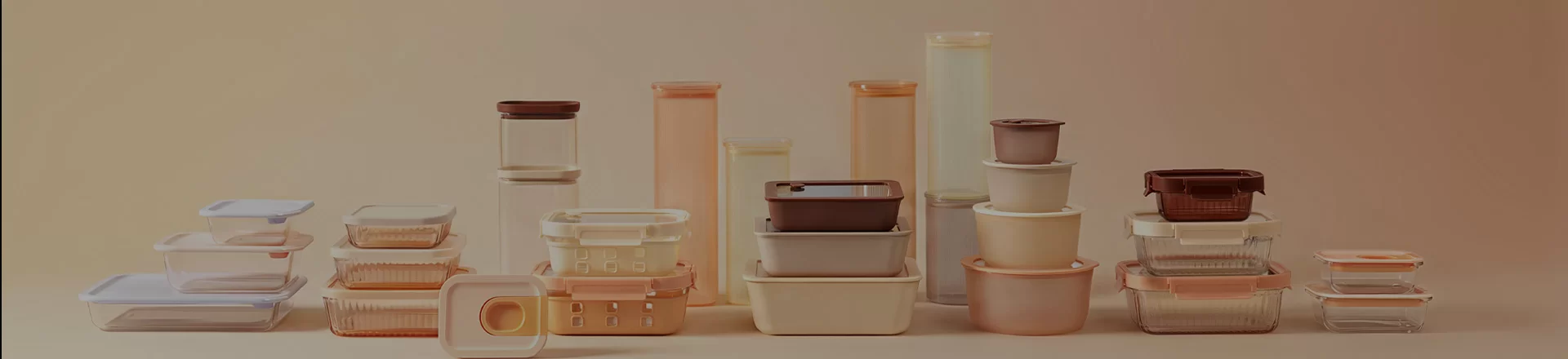
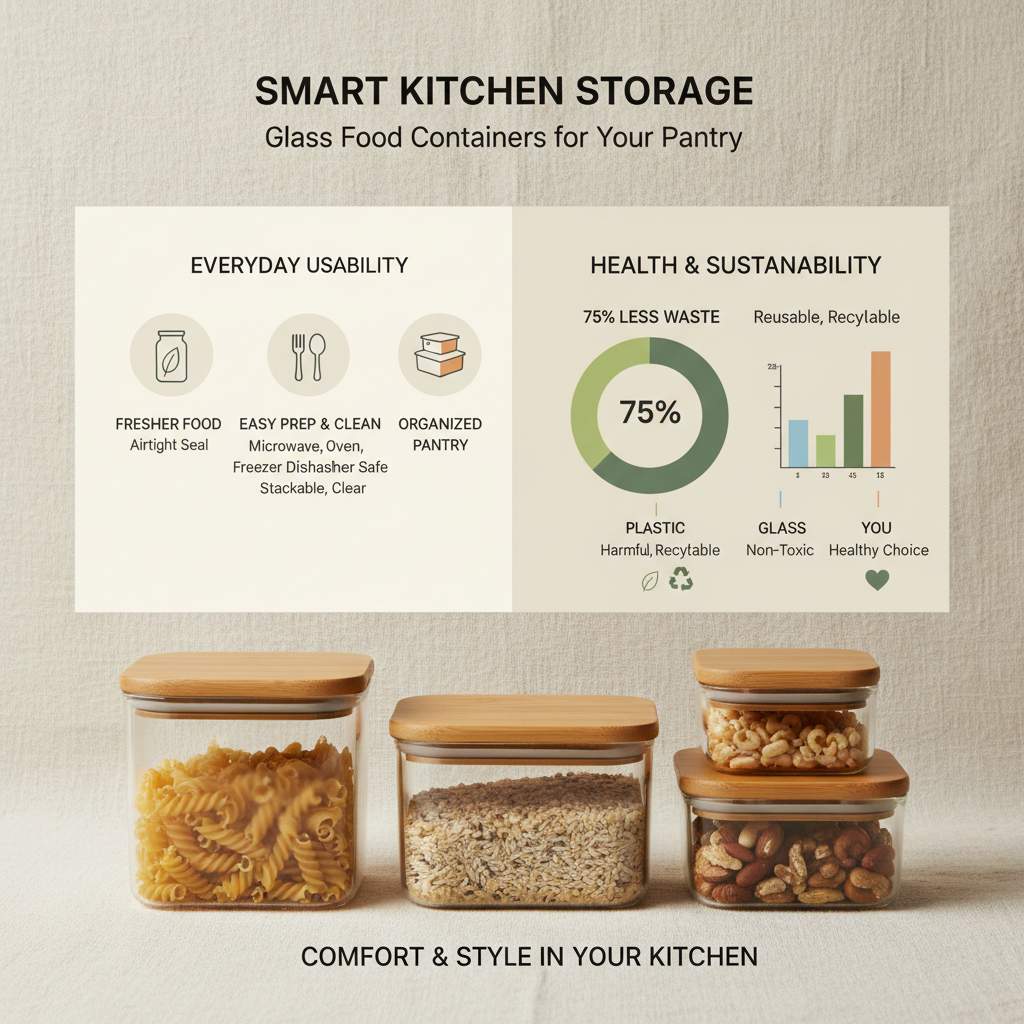
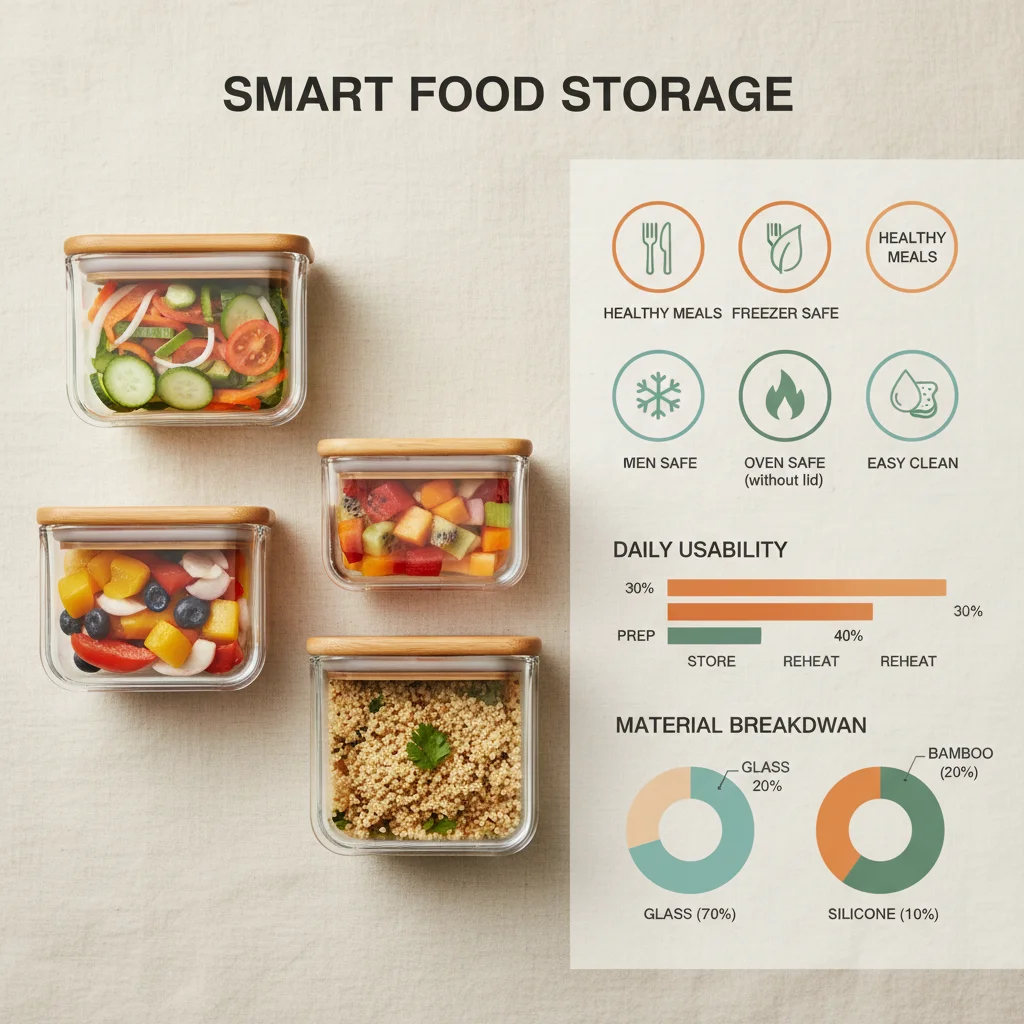
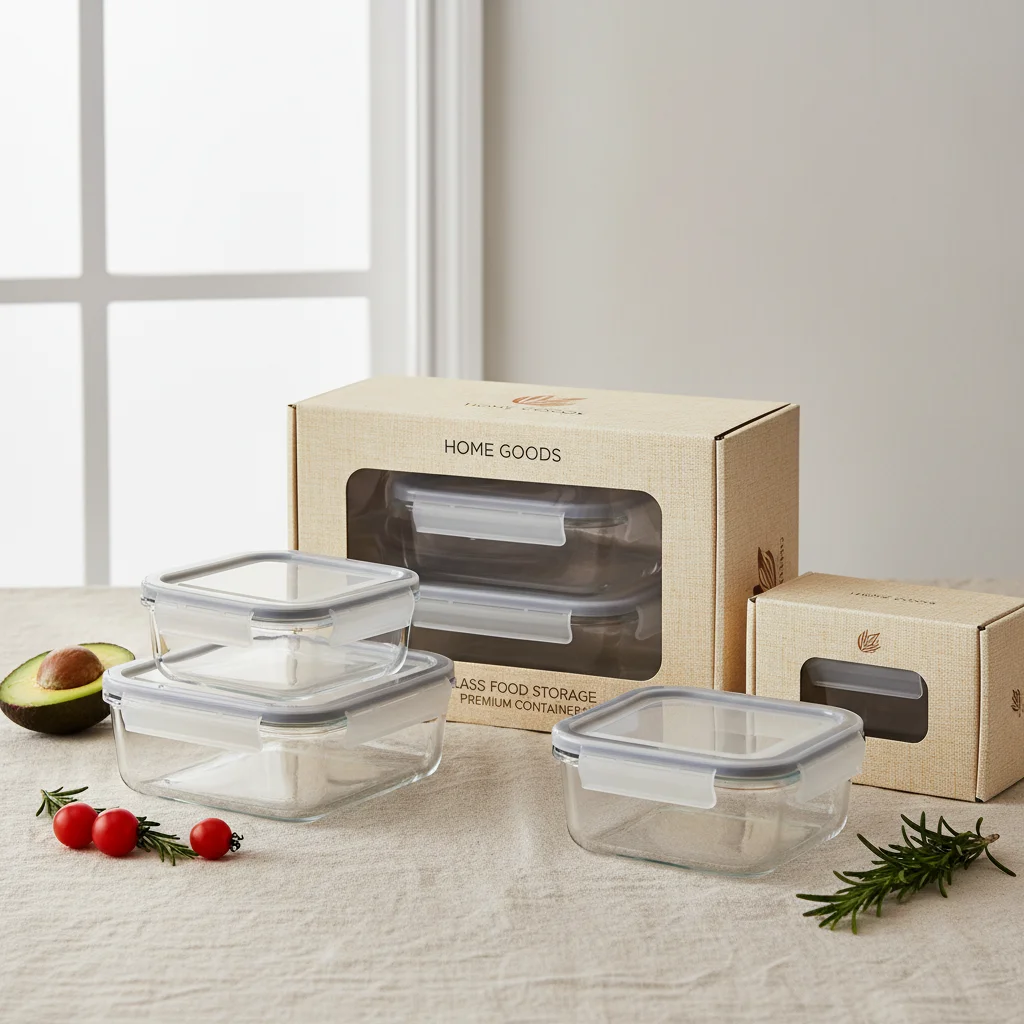
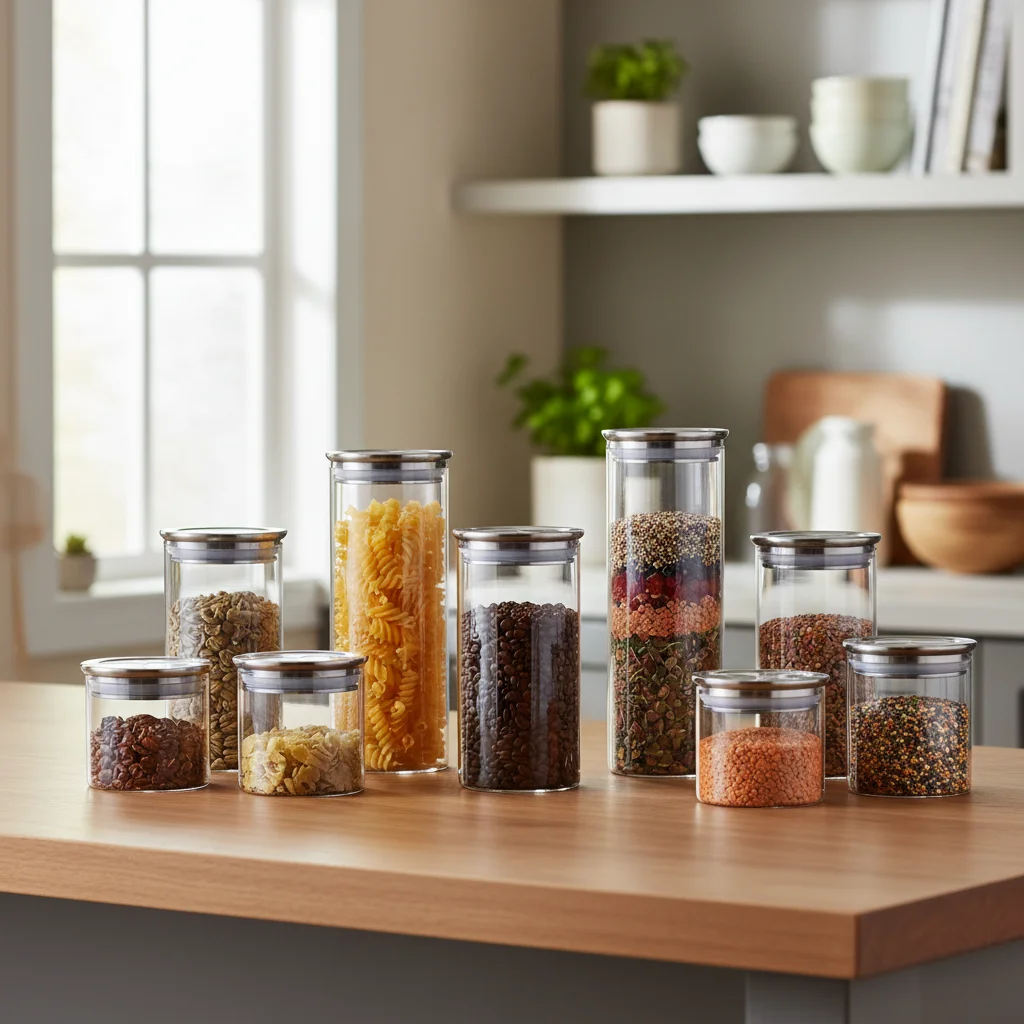
Organizing a modern kitchen requires a balance between aesthetic appeal and functional efficiency, and glass food storage containers for pantry have emerged as the gold standard for achieving this harmony. Unlike plastic alternatives, glass provides a non-porous surface that ensures food purity, prevents odor transfer, and allows for instant visual inventory of your supplies, reducing food waste and streamlining meal preparation.
Beyond simple organization, the shift toward high-quality borosilicate and soda-lime glass reflects a global movement toward sustainability and health-conscious living. By eliminating the risk of BPA and phthalate leaching, these containers provide a safe environment for everything from bulk grains to delicate spices, making them indispensable for those seeking a professional-grade pantry setup.
Whether you are a home cook aiming for a "Pinterest-perfect" pantry or a bulk-buyer looking to extend the shelf life of your ingredients, investing in durable glass storage is a strategic move. Understanding the nuances of seal types, material grades, and spatial optimization allows users to maximize their kitchen's potential while contributing to a more eco-friendly household.
The Global Shift Toward Glass Pantry Solutions
Across the globe, there is a measurable transition away from single-use plastics toward permanent materials. International standards, including ISO guidelines for food-contact materials, have increasingly highlighted the superior hygiene of glass. In regions like Europe and North America, the adoption of glass food storage containers for pantry has spiked as consumers become more aware of endocrine disruptors found in low-grade polymers.
This shift is not merely a trend but a response to the growing challenge of plastic pollution and food contamination. By integrating high-grade glass into the pantry, households reduce their carbon footprint and ensure that their food remains untainted by the container itself. The result is a more sustainable food ecosystem that prioritizes health over convenience.
Defining High-Performance Glass Food Storage
At its core, glass food storage containers for pantry are specialized vessels engineered from tempered or borosilicate glass, designed to maintain the freshness of dry and semi-dry goods over extended periods. Unlike standard drinking glasses, these containers are built to withstand varying temperature fluctuations and are often paired with airtight lids—made from silicone, stainless steel, or wood—to create a vacuum-like seal that locks out moisture and pests.
In the context of modern industrial design, these containers bridge the gap between utilitarian storage and home decor. They serve a humanitarian need for better food security at a domestic level by preventing spoilage and allowing for precise inventory management, which is critical in reducing the global issue of household food waste.
Furthermore, the technical definition of a "pantry-grade" container includes attributes such as clarity (for visibility), chemical inertness (to prevent flavor leaching), and structural integrity (to allow for safe stacking). This combination of traits makes them a cornerstone of the modern, healthy kitchen.
Core Components of Premium Glass Containers
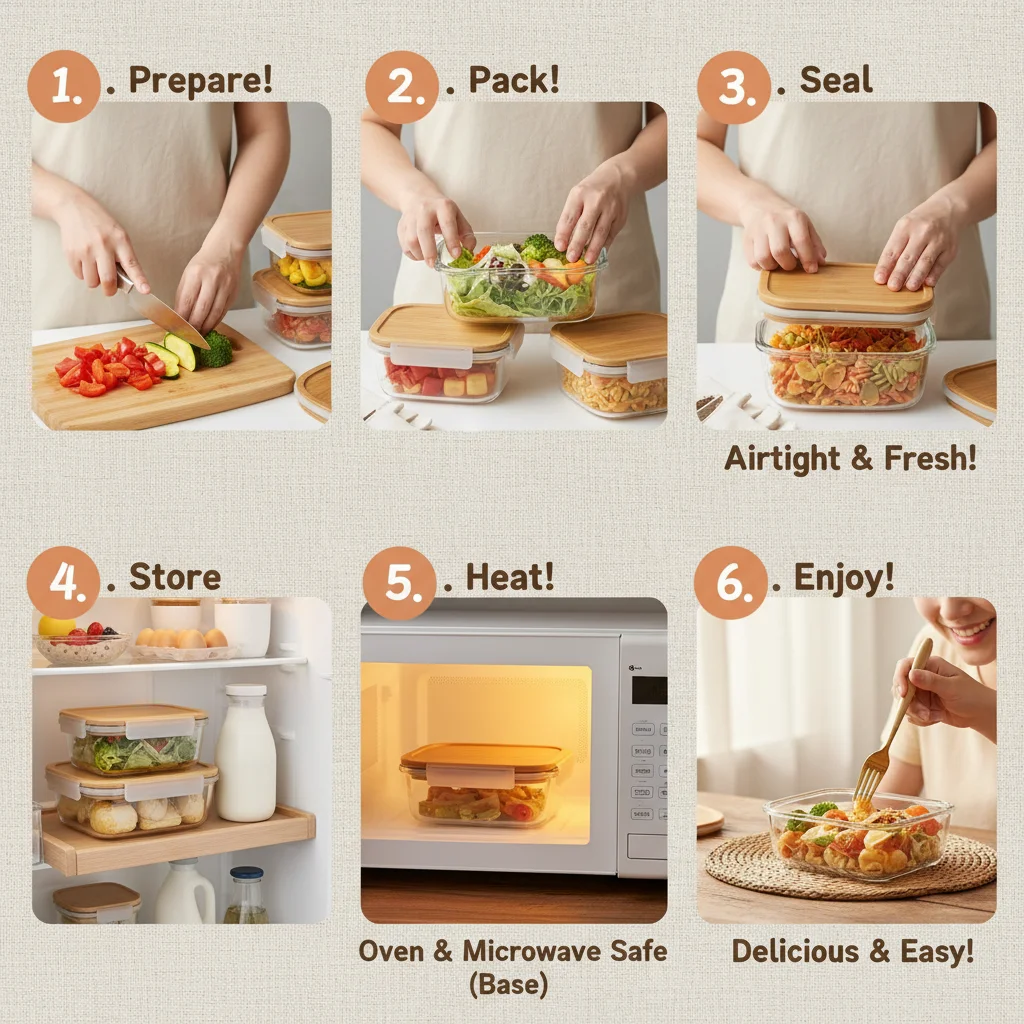
The durability of glass food storage containers for pantry begins with the material science. Borosilicate glass, known for its low coefficient of thermal expansion, allows these containers to move from a cold pantry to a warm oven or microwave without cracking, providing unparalleled versatility for the user.
Seal integrity is the second critical component. Whether utilizing a 4-lock mechanism or a simple screw-top, the goal is to create an airtight environment. High-quality silicone gaskets ensure that oxygen and humidity are kept at bay, which is essential for preserving the crunch of crackers or the potency of dried herbs in glass food storage containers for pantry.
Finally, ergonomics and scalability play a huge role. From mini glass containers for spices to large canisters for flour, a cohesive set allows for a modular pantry arrangement. This scalability ensures that every inch of shelf space is utilized efficiently, creating a streamlined workflow in the kitchen.
Practical Applications in Modern Kitchens
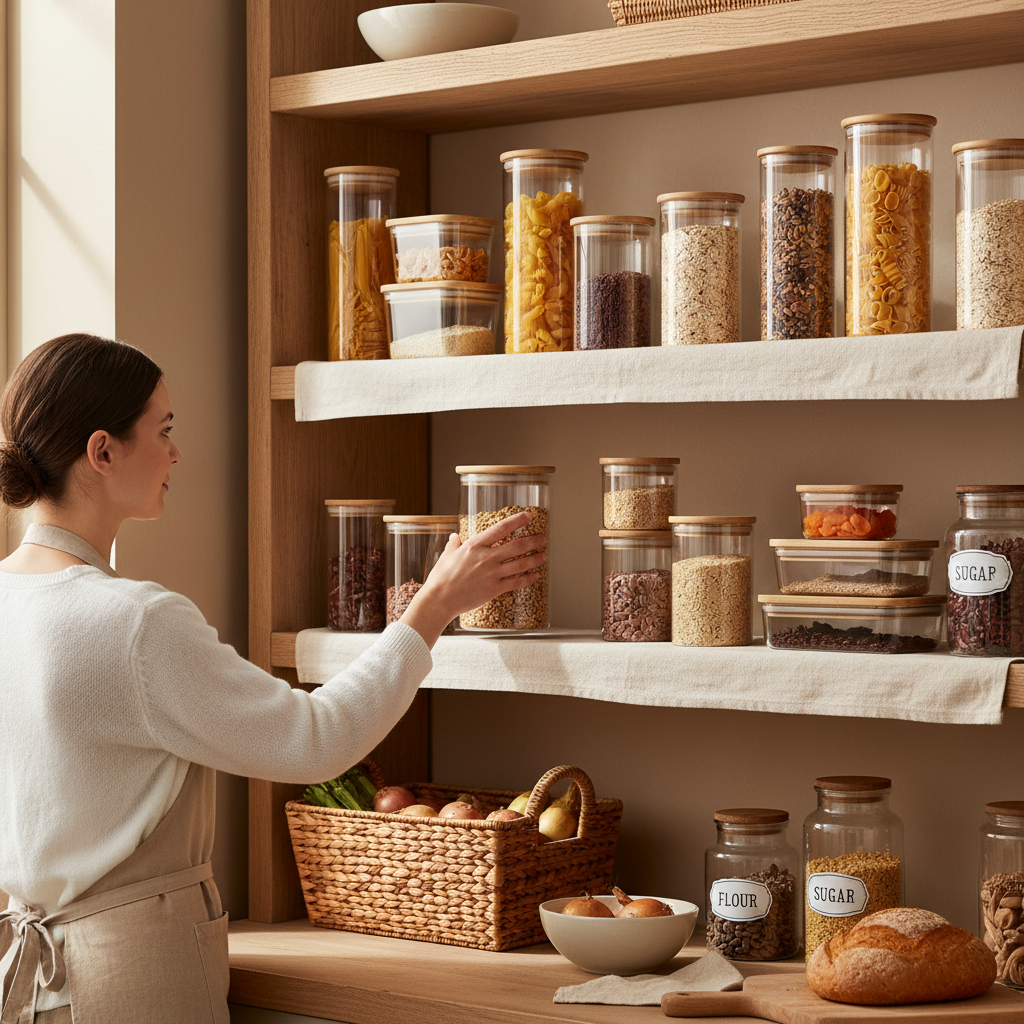
The application of glass food storage containers for pantry extends far beyond simple aesthetics. In professional culinary environments and high-efficiency homes, these containers are used to implement "First In, First Out" (FIFO) systems. Because the contents are visible, users can easily identify which ingredients need to be used first, drastically cutting down on expired products.
In diverse settings—from urban apartments with limited space to large rural farmhouses—the ability to stack glass containers safely allows for vertical organization. This is particularly useful in "zero-waste" lifestyles where ingredients are bought in bulk from cooperatives and transferred into glass for long-term preservation.
Performance Comparison of Pantry Storage Materials
Long-Term Value and Sustainability Benefits
The long-term value of investing in glass food storage containers for pantry is measured both in financial savings and environmental impact. While the initial cost may be higher than plastic, the lifecycle of a glass container is exponentially longer. Glass does not degrade, warp, or stain over time, meaning a single set can last a lifetime if handled with care.
From an emotional perspective, there is a sense of dignity and trust that comes with knowing your family's food is stored in a pure, non-toxic environment. This transition to glass supports a circular economy, as glass is 100% recyclable without loss in quality, directly combating the global plastic crisis and promoting a healthier planet for future generations.
Future Trends in Glass Storage Innovation
The future of glass food storage containers for pantry is moving toward "Smart Storage." We are seeing the integration of NFC-enabled lids and QR code systems that sync with smartphone apps to track expiration dates and suggest recipes based on the current pantry inventory, blending traditional material strength with digital transformation.
Additionally, material innovation is focusing on "ultra-lightweight" tempered glass that maintains the strength of traditional glass but reduces the weight for easier handling and shipping. This reduction in weight also lowers the carbon emissions associated with transporting these products globally.
We are also seeing a trend toward customized aesthetic coatings and eco-friendly wood lids, such as bamboo or acacia, which align the product with interior design trends while maintaining a strict commitment to biodegradable and renewable materials.
Common Challenges and Professional Solutions
The most common challenge associated with glass food storage containers for pantry is fragility. The risk of breakage during handling or accidental drops can be a deterrent. However, the professional solution lies in the adoption of tempered glass and borosilicate blends, which are specifically treated to resist impact and thermal shock.
Another concern is the weight of glass compared to plastic, which can make high-shelf organization cumbersome. To solve this, designers are creating more streamlined, thin-walled but high-strength profiles and implementing nesting capabilities that allow containers to fit inside one another when not in use, maximizing space efficiency.
Finally, maintaining the airtight seal of the lids over years of use can be a hurdle. The industry is responding by offering replaceable silicone gaskets and standardized lid sizes, ensuring that the container remains functional even if a seal wears out, further extending the product's lifespan and reducing waste.
Comparison of Glass Storage Solutions by Use-Case
|
Container Type
|
Primary Use-Case
|
Seal Strength (1-10)
|
Durability Score (1-10)
|
| 4-Lock Borosilicate |
Bulk Dry Grains |
10 |
9 |
| Eco-Wood Lid Glass |
Coffee & Tea Leaves |
8 |
7 |
| Amber Colored Glass |
Light-Sensitive Spices |
9 |
8 |
| Stainless Steel Lid |
Heavy-Duty Flour Storage |
10 |
10 |
| Mini Glass Jar |
Seeds & Small Nuts |
7 |
6 |
| Vacuum Glass Seal |
Long-term Grain Preservation |
10 |
8 |
FAQS
Yes, provided they are made from borosilicate glass. Borosilicate is designed to handle extreme temperature changes. However, it is crucial to leave some headspace in the container, as liquids and some foods expand when frozen, which could cause the glass to crack if the container is filled to the brim.
While glass is non-porous, odors often linger in the silicone gaskets. To remove them, soak the lids in a mixture of warm water, baking soda, and white vinegar. For the glass itself, a simple scrub with a lemon wedge or a paste of baking soda and water will return it to a neutral state.
It depends on the content. Clear glass is ideal for visual organization and inventory. However, amber glass is superior for light-sensitive items like olive oil, certain spices, and dried herbs, as it blocks UV rays that can degrade the quality and flavor of the food over time.
Only if they are specifically labeled as oven-safe (usually borosilicate glass). You must remove the lids—especially plastic or wooden ones—before heating. Always check the manufacturer's temperature limits to avoid thermal shock, and avoid placing a hot glass container directly onto a cold surface.
Generally, high-quality silicone seals last for several years. You should replace them if you notice the seal has become brittle, cracked, or if the container is no longer airtight. Many premium brands offer replacement gasket kits to avoid replacing the entire glass vessel.
Absolutely. Glass is infinitely recyclable and does not leach chemicals into the environment or your food. While the production of glass requires more energy initially, its extreme longevity and recyclability make it a far more sustainable choice over a 10-to-20-year period compared to plastic.
Conclusion
The transition to glass food storage containers for pantry represents a convergence of health, sustainability, and organizational efficiency. By prioritizing non-toxic materials and airtight engineering, homeowners can significantly reduce food waste, eliminate harmful chemical exposure, and create a visually calming kitchen environment. From the technical advantages of borosilicate glass to the practical benefits of modular stacking, these containers are an investment in a more mindful and sustainable way of living.
Looking forward, as smart-home integration and eco-materials continue to evolve, the role of glass in the kitchen will only expand. We encourage you to audit your current storage and gradually phase out plastics in favor of durable glass solutions. Elevating your pantry is not just about aesthetics; it is about safeguarding your health and the planet. For professional-grade solutions, visit our website: www.ikoo-glass.com.