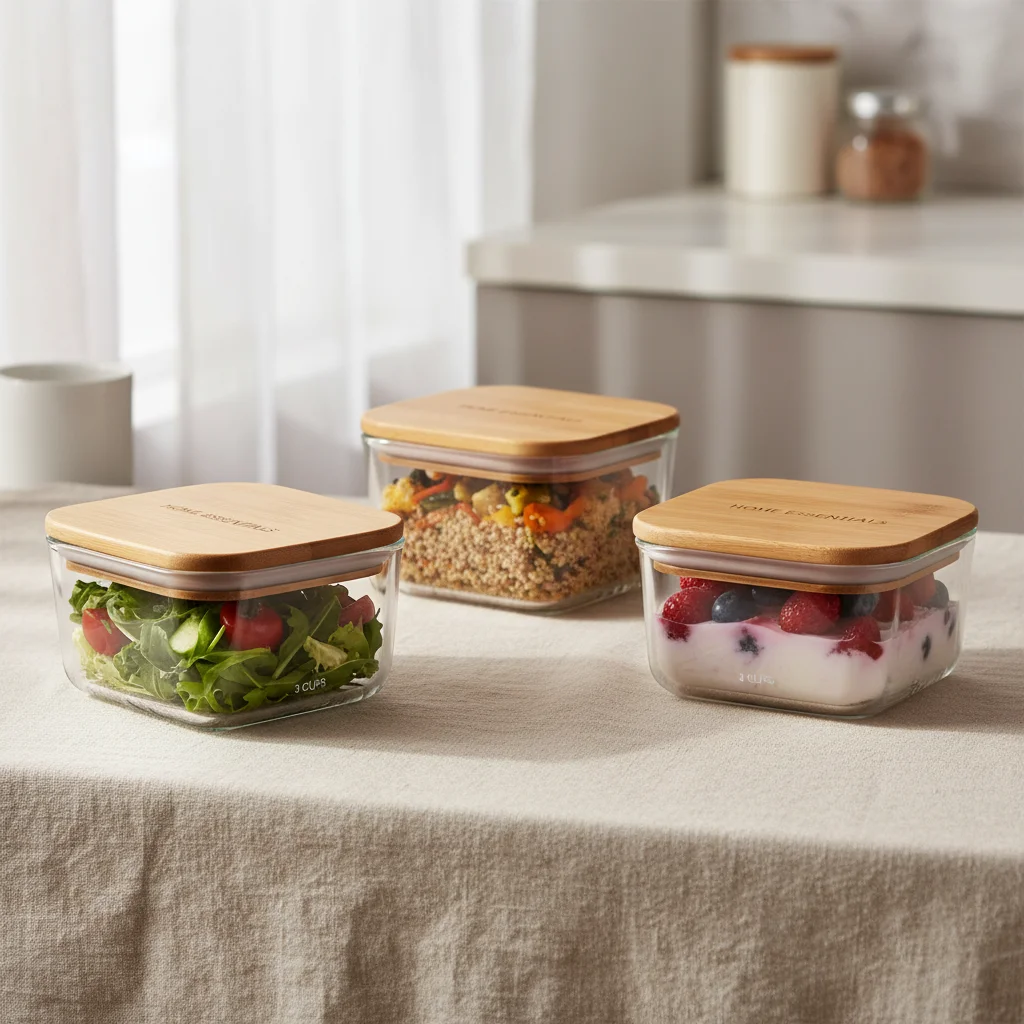
airtight food storage containers glass are essential in today’s world, providing a safe and effective way to preserve food, reduce waste, and maintain a healthy lifestyle. Globally, the demand for reliable food storage solutions is constantly rising due to factors such as increasing urbanization, growing awareness of food safety, and a desire for sustainable living. These containers are no longer simply about keeping leftovers fresh; they represent a commitment to reducing food waste, protecting our health, and contributing to a more sustainable future.
The market for airtight food storage containers glass is experiencing significant growth, driven by changing consumer preferences and technological advancements. According to a report by the Food and Agriculture Organization of the United Nations (FAO), roughly one-third of the food produced globally is lost or wasted annually – a figure that highlights the critical need for better storage solutions. The ISO 22000 food safety management systems standard further emphasizes the importance of proper food handling and storage practices.
The benefits extend beyond individual households, playing a crucial role in commercial kitchens, food processing industries, and even disaster relief efforts. Effective food preservation directly impacts food security and economic stability, making airtight food storage containers glass a cornerstone of modern food systems.
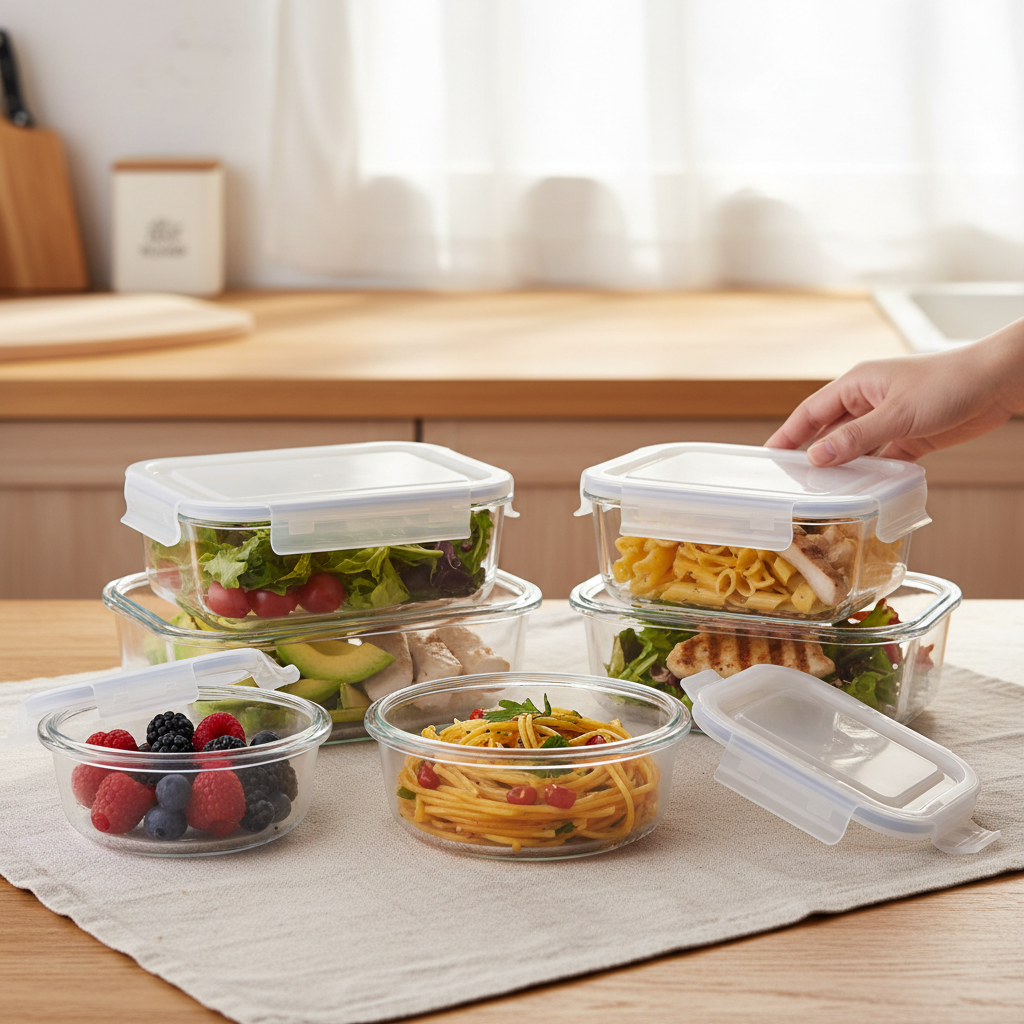
The Global Importance of Airtight Food Storage Containers Glass
The significance of airtight food storage containers glass extends far beyond simply keeping food fresh in the refrigerator. They are vital in mitigating food waste, a global issue with far-reaching environmental and economic consequences. With a growing global population and increasing pressure on food resources, efficient storage is paramount. These containers help maintain food quality, extending its shelf life and reducing the need for premature disposal.
Beyond residential use, airtight containers are essential in commercial food handling, maintaining hygiene standards and preventing contamination. The glass material itself contributes to this safety, being non-porous and easily sanitized. The demand for such solutions is consistently rising as consumers and businesses alike prioritize food safety and sustainability.
Defining Airtight Food Storage Containers Glass
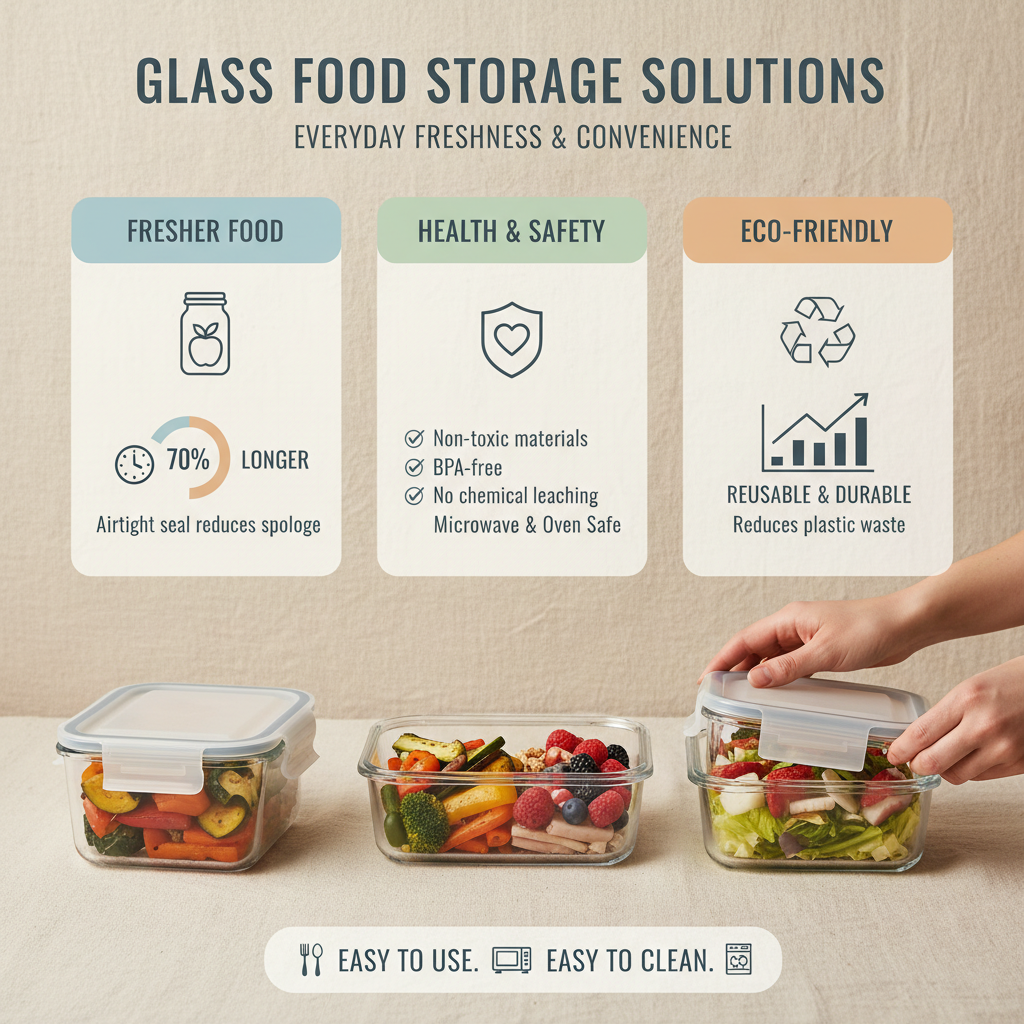
Airtight food storage containers glass are vessels designed to securely hold food items while preventing the exchange of air and moisture. The “airtight” aspect is crucial; it’s achieved through a well-sealed lid, often with a rubber or silicone gasket, creating a barrier that inhibits oxidation, bacterial growth, and the absorption of odors. Glass, as a material, offers inherent advantages – it’s inert, meaning it won’t react with food, is easily cleaned, and is visually appealing.
This contrasts with plastic alternatives, which can leach chemicals into food and are less durable. While different types of lids exist (stainless steel, plastic, or even wood), the core function remains the same: to create a hermetic seal. They connect directly to modern industry needs concerning food safety regulations and consumer demand for healthier, more sustainable options.
The significance extends to addressing humanitarian needs, offering a safe and reliable way to store and transport food in emergency situations or regions with limited resources.
Key Factors in Airtight Food Storage Container Glass Design
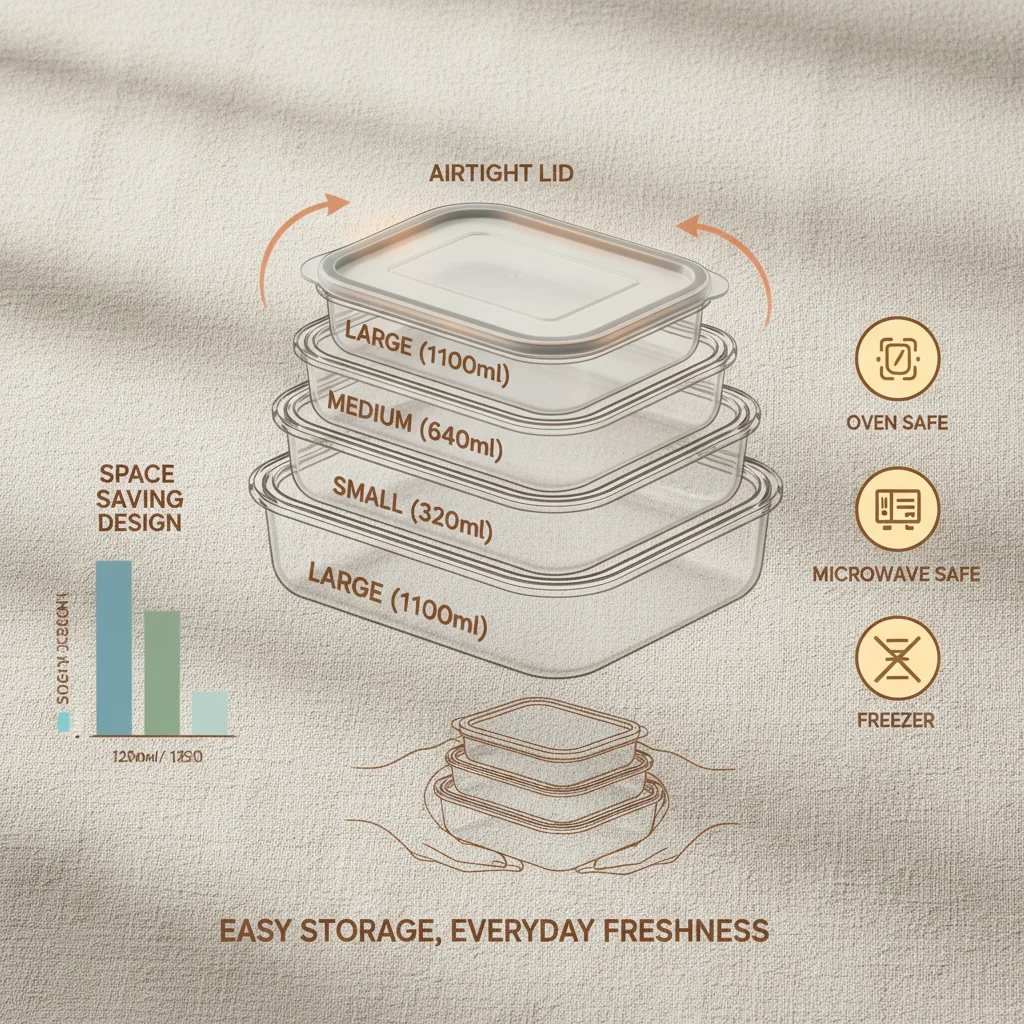
Several core aspects define the effectiveness of airtight food storage containers glass. Firstly, the quality of the glass itself is critical. Borosilicate glass, known for its thermal shock resistance, is preferred for its durability and ability to withstand temperature fluctuations. Secondly, the lid sealing mechanism plays a pivotal role in maintaining airtightness. Silicone gaskets are commonly used due to their flexibility and longevity.
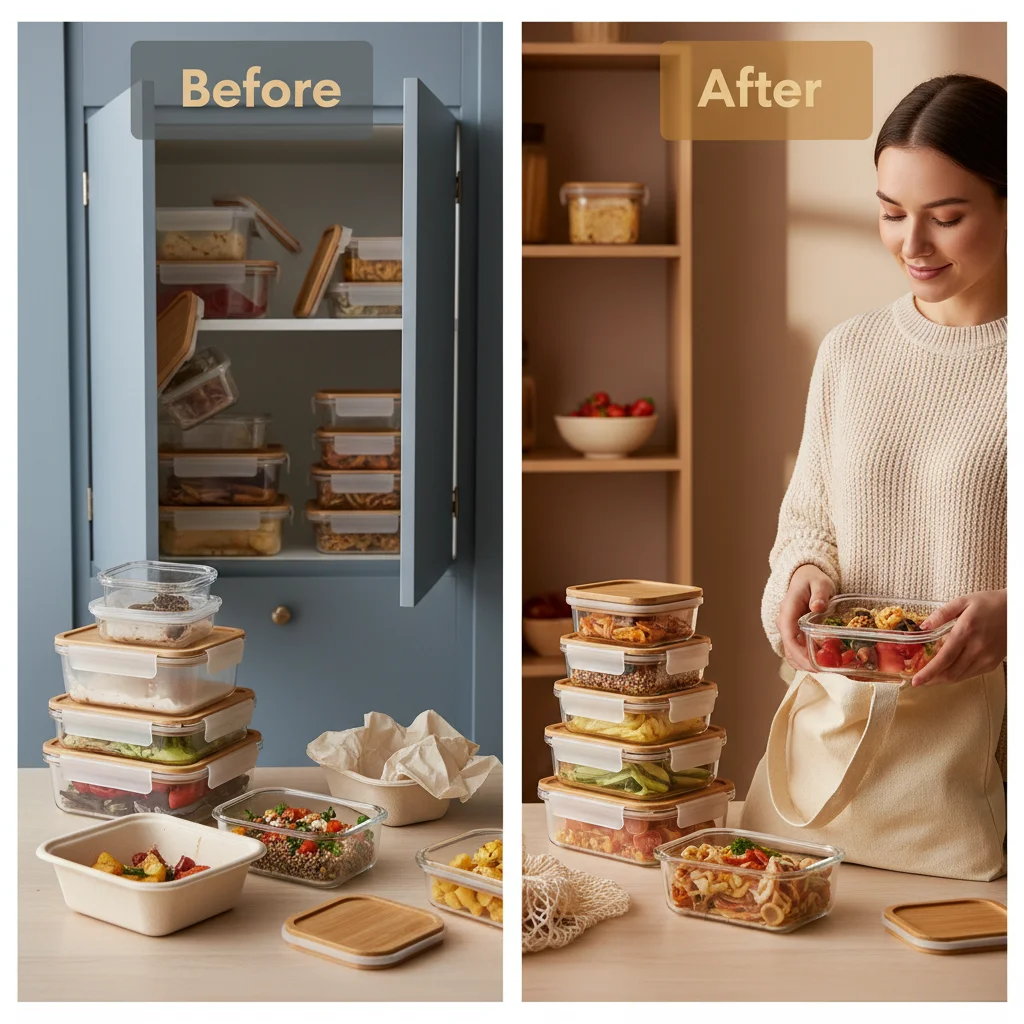
Thirdly, container shape and size influence usability and storage efficiency. Modular designs, allowing containers to stack neatly, are highly desirable. Fourthly, lid material contributes to both functionality and aesthetics. Stainless steel lids offer durability and a premium look, while bamboo or wood lids present a sustainable and natural appeal. Finally, ease of cleaning is paramount; dishwasher-safe containers are a significant convenience for consumers.
These factors collectively impact the container’s performance, longevity, and overall value. A well-designed container will not only keep food fresh but also simplify kitchen organization and promote sustainable practices.
Global Applications of Airtight Food Storage Containers Glass
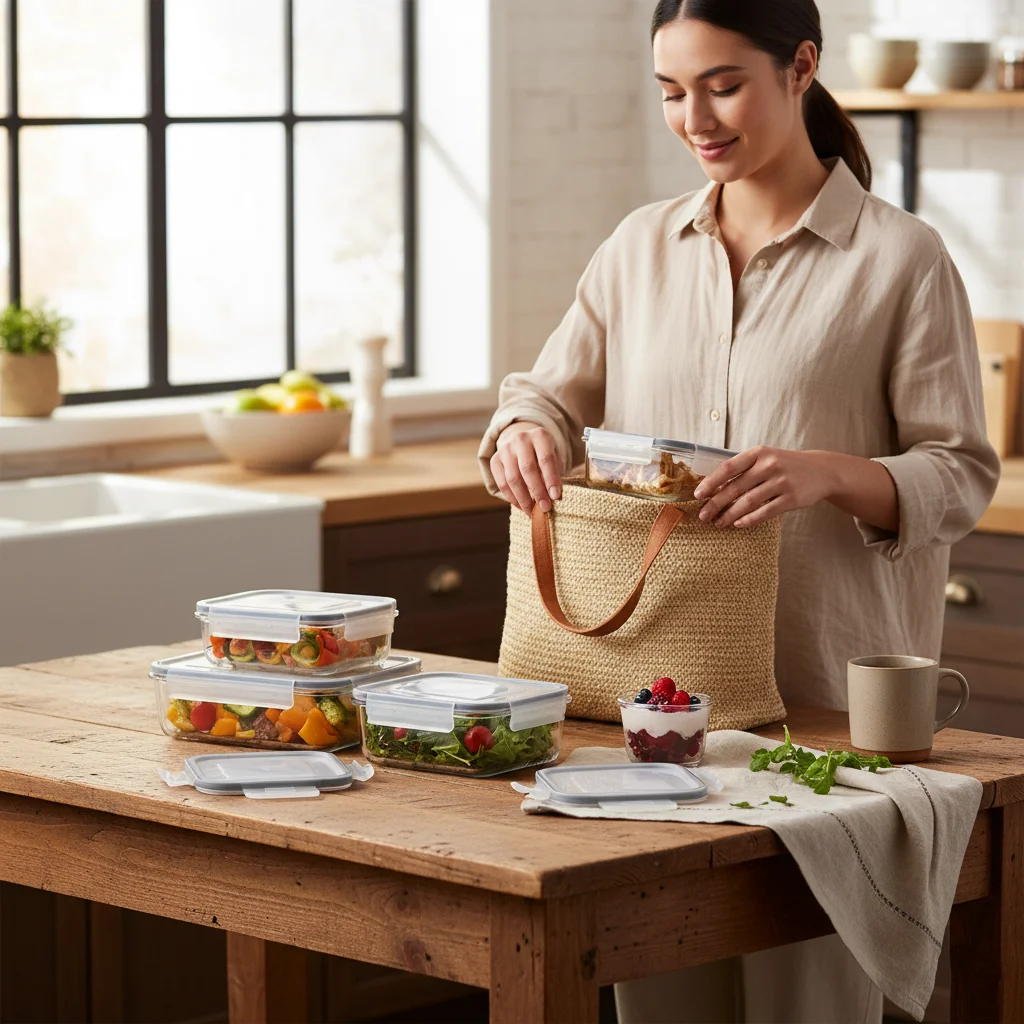
The applications of airtight food storage containers glass are widespread and diverse. In households, they’re utilized for everyday food preservation – leftovers, meal prepping, pantry staples, and baked goods. Commercially, restaurants and cafes rely on them for storing ingredients, sauces, and prepared foods, maintaining freshness and adhering to food safety regulations.
Food processing industries utilize larger glass containers for bulk storage and transportation of ingredients. In post-disaster relief operations, airtight containers are invaluable for safely storing and distributing food supplies to affected communities, preserving vital nourishment.
Furthermore, these containers are increasingly used in sustainable farming initiatives, preserving seeds and harvested crops. In remote industrial zones, they provide a reliable solution for maintaining food quality for workers, especially where access to fresh produce is limited.
Effectiveness of Airtight Sealing Methods for Food Preservation
Advantages and Long-Term Value of Glass Storage
The advantages of choosing airtight food storage containers glass extend beyond simply preserving food. Glass is inherently hygienic, non-porous, and doesn’t leach chemicals into food, promoting health and well-being. The durability of glass means a longer lifespan compared to plastic alternatives, reducing the need for frequent replacements – a significant cost saving in the long run.
Environmentally, glass is 100% recyclable, contributing to a circular economy and reducing landfill waste. The aesthetic appeal of glass also adds value, enhancing kitchen organization and presentation. These containers offer a sense of quality and permanence, fostering a more mindful approach to food storage and consumption.
Future Trends and Innovations in Food Storage
The future of food storage is poised for innovation. We’re seeing the development of “smart” containers equipped with sensors that monitor freshness levels and connect to mobile apps, providing real-time information about food quality. Sustainable materials, like bio-based plastics and innovative compostable lids, are gaining traction as alternatives to traditional plastic.
Furthermore, advancements in vacuum sealing technology are enhancing the airtightness of containers, extending shelf life even further. Research into active packaging – materials that release substances to inhibit microbial growth – holds promise for revolutionizing food preservation.
Digital transformation plays a role through inventory management apps that integrate with smart containers, helping users track their food supplies and reduce waste.
Challenges and Solutions in Glass Food Storage
While airtight food storage containers glass offers numerous benefits, some challenges exist. The primary concern is fragility – glass can break if dropped. Solutions include using tempered glass, reinforced designs, and protective sleeves.
Weight can also be a factor, especially for larger containers. Optimizing container shape and utilizing lighter-weight glass formulations can mitigate this. Cost can be higher compared to plastic alternatives, but the long-term durability and health benefits often justify the investment.
Innovation in manufacturing processes and economies of scale can further drive down prices, making glass storage more accessible to a wider range of consumers.
Summary of Challenges and Solutions for Airtight Food Storage Containers Glass
| Challenge |
Impact on Airtight Food Storage Containers Glass |
Potential Solution |
Implementation Cost (1-10) |
| Fragility |
Risk of breakage during handling and transportation. |
Utilize tempered glass and protective sleeves. |
5 |
| Weight |
Inconvenience for carrying and storage. |
Optimize container shape and use lighter glass formulations. |
4 |
| Cost |
Higher upfront investment compared to plastic. |
Optimize manufacturing processes and achieve economies of scale. |
6 |
| Lid Seal Degradation |
Loss of airtightness over time, compromising food freshness. |
Utilize high-quality silicone gaskets and robust lid designs. |
3 |
| Cleaning Difficulty |
Certain shapes and lids can be challenging to clean thoroughly. |
Design containers with smooth surfaces and dishwasher-safe components. |
2 |
| Thermal Shock |
Risk of glass cracking due to rapid temperature changes. |
Employ borosilicate glass with high thermal shock resistance. |
7 |
FAQS
Glass containers are non-porous, meaning they won’t absorb odors, stains, or chemicals from food. They are also more durable and resistant to temperature changes, making them ideal for both refrigeration and heating. Unlike some plastics, glass doesn’t leach harmful chemicals into your food, making it a healthier choice. Furthermore, glass is 100% recyclable, contributing to a more sustainable lifestyle.
To ensure an airtight seal, always check the rubber or silicone gasket on the lid for cracks or damage. Make sure the lid is properly aligned and securely fastened. A simple test is to fill the container with water, seal it, and turn it upside down – if there are any leaks, the seal is compromised. Regularly cleaning the gasket is also crucial to maintain its effectiveness.
Most glass containers are microwave-safe, but it’s important to check the manufacturer’s instructions. Avoid using containers with metal lids or decorations in the microwave. Even with microwave-safe glass, it’s best to avoid significant temperature changes – don't take a container directly from the refrigerator and put it into the microwave.
Most airtight food storage containers glass are dishwasher-safe, but hand washing is recommended for delicate designs or lids. Use warm, soapy water and a non-abrasive sponge. Pay attention to the gasket, ensuring it’s thoroughly cleaned to maintain its seal. Avoid using harsh chemicals or abrasive cleaners that could damage the glass.
To minimize the risk of breakage, avoid dropping the containers and prevent them from clanging against hard surfaces. Allow containers to come to room temperature before adding hot or cold liquids to avoid thermal shock. When stacking, place a protective barrier between containers to prevent chipping or cracking. Consider investing in containers made from tempered glass, which is more resistant to breakage.
Stainless steel lids offer durability and a premium look, while plastic lids are lightweight and economical. Wooden lids provide a natural aesthetic but require more care to maintain their seal. Silicone gaskets are essential for all types of lids to ensure airtightness. Consider your priorities – durability, aesthetics, convenience, and sustainability – when choosing the right lid material for your needs.
Conclusion
In conclusion, airtight food storage containers glass represent a crucial intersection of food safety, sustainability, and convenience. From minimizing food waste to preserving nutritional value and reducing environmental impact, the benefits are undeniable. The advancements in materials, designs, and technologies are constantly enhancing their effectiveness and appeal, making them an increasingly essential component of modern kitchens and food systems.
Looking ahead, continued innovation in smart packaging, sustainable materials, and user-friendly designs will further elevate the role of airtight glass containers in promoting a healthier, more sustainable future. We encourage you to explore the range of airtight food storage containers glass available at IKOO HOME and discover how you can contribute to a more responsible and efficient food storage system. Visit our website today: www.ikoo-glass.com