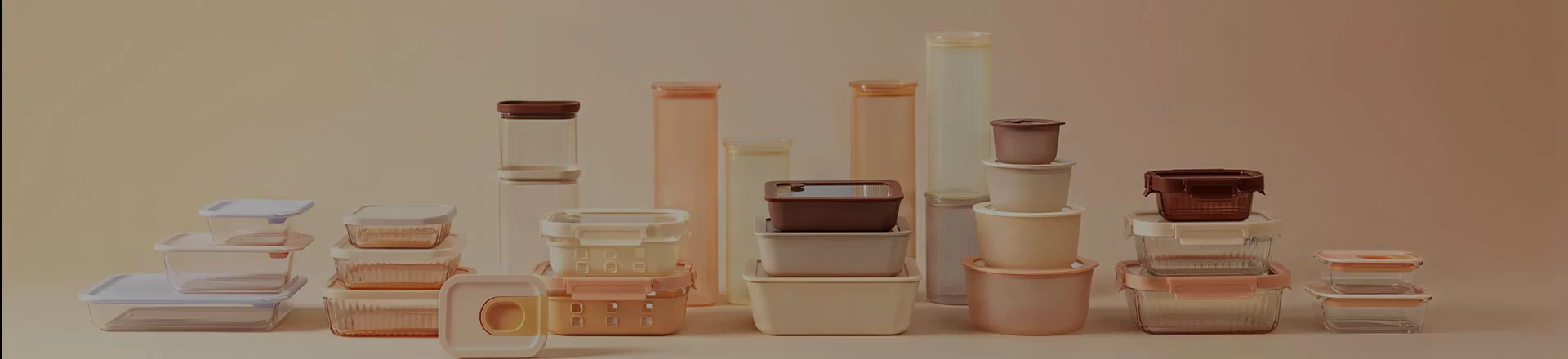
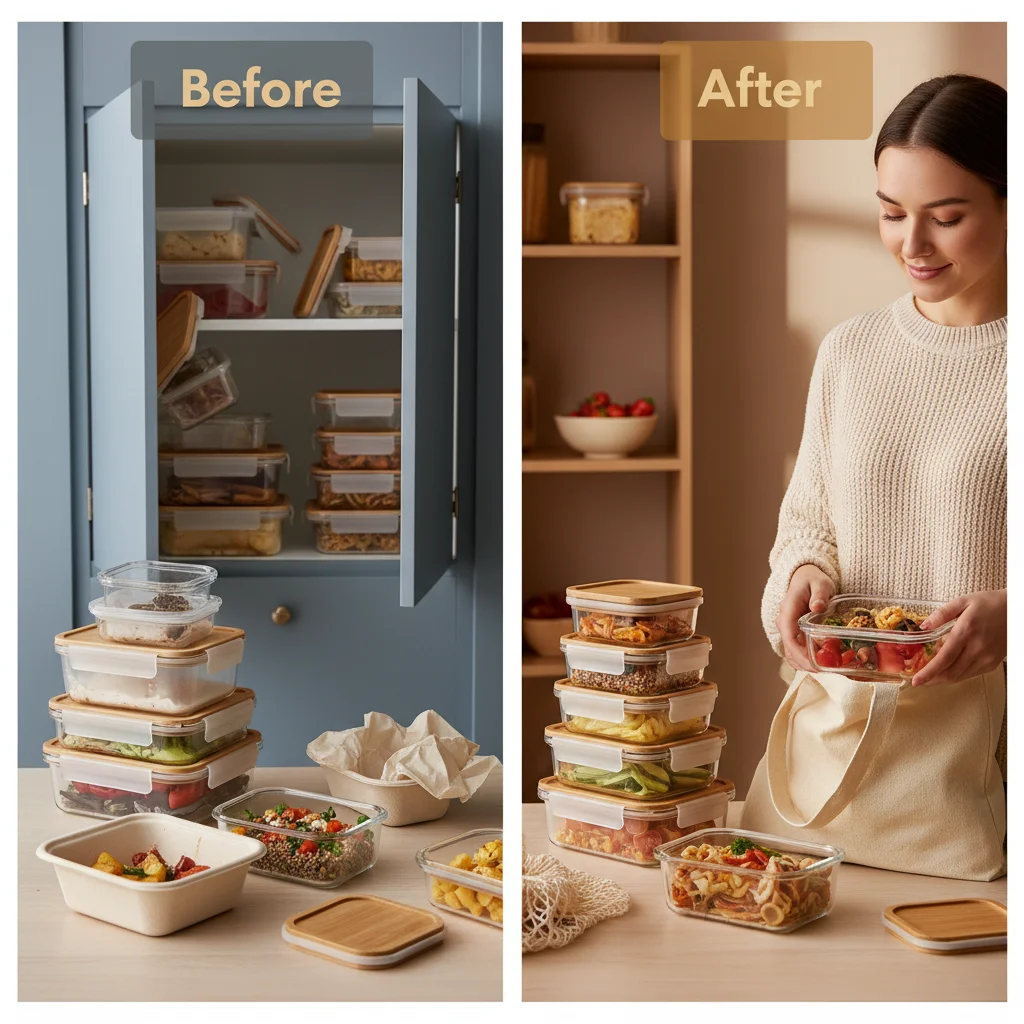
In the modern culinary landscape, the demand for efficient, healthy, and sustainable kitchenware has led to a significant rise in the popularity of high-quality borosilicate glassware. Among these innovations, the concept of organizing your kitchen with nesting glass food storage containers has become a priority for homeowners seeking to maximize limited cabinet space while maintaining a professional standard of food preservation.
Beyond mere organization, the transition from plastic to glass represents a global shift toward eco-friendly living and health-conscious meal preparation. By utilizing materials that are non-porous and chemically inert, users can ensure that their food remains untainted by harmful chemicals, making the choice of durable glassware a critical decision for long-term family wellness.
Whether you are preparing a complex lasagna in a glass casserole or storing leftovers in nesting glass food storage containers, the versatility of borosilicate glass allows for a seamless transition from the oven to the refrigerator, simplifying the cooking process and reducing waste.

Global Demand for High-Borosilicate Glassware
The global shift toward sustainable materials has placed borosilicate glass at the forefront of the kitchenware industry. According to international manufacturing standards like ISO9001, the precision in thermal expansion coefficients allows these products to withstand extreme temperature fluctuations, making them far superior to standard soda-lime glass.
As urban living spaces shrink, the necessity for nesting glass food storage containers has grown, addressing the challenge of clutter while meeting the FDA-certified safety requirements for food contact. This convergence of space-saving design and material science is driving market growth across North America, Europe, and Asia.
Defining the Utility of Nesting Glass Solutions
Nesting glass food storage containers are specialized kitchen vessels designed with graduated sizes that allow smaller units to fit inside larger ones. This architectural approach to glassware eliminates the awkward "puzzle" often found in kitchen cabinets, ensuring that high-capacity bakeware and small storage jars occupy the minimum possible footprint.
From an industrial perspective, these containers are not just about storage; they are multifunctional tools. By utilizing high borosilicate glass, these products serve as baking dishes, serving platters, and airtight storage units, bridging the gap between preparation and preservation.
In a world increasingly focused on reducing single-use plastics, these glass solutions offer a permanent, hygienic alternative. Their transparency allows for immediate visual inventory of contents, which reduces food waste and enhances the overall efficiency of meal planning and kitchen management.
Core Components of Premium Glass Bakeware
The primary foundation of high-performance nesting glass food storage containers is the material composition. Borosilicate glass is engineered to be highly scratch-resistant and transparent, ensuring that the aesthetic appeal of the food is maintained from the oven to the dining table.
Versatility is another core component, with capacities ranging from 500ml for side dishes to 1700ml for family-sized casseroles. The ability to use these nesting glass food storage containers in the freezer, dishwasher, oven, and microwave makes them an indispensable asset for any high-traffic kitchen.
Finally, the physical geometry—available in both rectangular and square shapes—ensures that they fit perfectly into standard refrigerators and ovens. The deep-dish design is specifically optimized for layered meals like lasagna, providing a professional-grade cooking experience for the home chef.
Performance Analysis of Thermal Resistance
Thermal shock resistance is the most critical technical parameter for glass bakeware. High borosilicate glass undergoes a specialized heating process that allows it to endure rapid temperature changes without cracking, which is essential when moving a dish from a cold freezer to a hot preheated oven.
This reliability ensures that users can bake, serve, and store in a single vessel. The efficiency of this process not only saves time but also minimizes the amount of cleaning required, as there is no need to transfer food between different containers during the cooking cycle.
Thermal Stability Rating of Glass Storage Types
Real-World Applications in Modern Kitchens
In professional meal-prep environments, nesting glass food storage containers are used to organize weekly nutrition plans. A user might bake a large casserole in the 1700ml dish and then portion out servings into the smaller 500ml containers, all while using the same material family for consistency and safety.
Beyond the home, these products are ideal for catering and boutique food services where presentation is key. The elegant, transparent design allows the colors of the food to shine, making the transition from a professional oven to a customer's table seamless and visually appealing.
Long-Term Value and Sustainability Impact
Investing in high-quality glass bakeware offers a significant return on investment through durability. Unlike plastic, which degrades, stains, and absorbs odors over time, borosilicate glass remains hygienic and crystal clear throughout its service life, reducing the need for frequent replacements.
From an environmental standpoint, the use of glass significantly reduces the volume of microplastics entering the waste stream. Since these containers are eco-friendly and fully recyclable, they align with the global movement toward a circular economy and sustainable consumption patterns.
Furthermore, the psychological value of using "oven-to-table" ware cannot be understated. It provides a sense of dignity and elegance to the dining experience, transforming a simple home-cooked meal into a curated presentation, which enhances the overall quality of life for the user.
Future Innovations in Glass Storage Technology
The future of nesting glass food storage containers lies in the integration of smarter materials and specialized coatings. We are seeing a trend toward enhanced scratch-resistance and the development of "smart lids" that can monitor food freshness through integrated sensors.
Automation in the manufacturing process is also allowing for tighter tolerances in nesting designs, meaning containers can fit together even more snugly to save additional space. This digital transformation in glass blowing and molding ensures a higher consistency in wall thickness, further improving thermal shock resistance.
As the industry moves toward "green energy" production, the carbon footprint of creating borosilicate glass is being reduced through the use of recycled cullet and high-efficiency electric furnaces, making these products even more sustainable for the next generation of consumers.
Analysis of Borosilicate Glass Storage Specifications
| Capacity Range |
Primary Application |
Thermal Compatibility |
Durability Score (1-10) |
| 500ml |
Side dishes / Snacks |
Microwave / Freezer |
9 |
| 1000ml |
Small Casseroles |
Oven / Dishwasher |
9 |
| 1600ml |
Main Course Bakeware |
Oven / Freezer |
10 |
| 1700ml |
Large Family Meals |
Oven / Dishwasher |
10 |
| Custom Sizes |
Industrial Catering |
All-Temperature |
9 |
| Mini Sets |
Condiment Storage |
Microwave / Freezer |
8 |
FAQS
Yes, provided they are made from high borosilicate glass. Unlike standard glass, borosilicate is specifically designed to withstand high temperatures and thermal shock, making it safe for ovens and microwaves. Always ensure you follow the specific temperature limits provided in the product manual to maintain the longevity of the glassware.
The nesting design allows smaller containers to fit inside larger ones, significantly reducing the amount of vertical and horizontal space required in your cabinets. This eliminates the clutter associated with mismatched lids and containers, creating a streamlined storage system that is easy to access and maintain.
High borosilicate glass is engineered for extreme temperature transitions. While it is far more resistant to thermal shock than ordinary glass, it is always a professional best practice to allow the container to sit for a few minutes or use a heat diffuser on gas stoves to ensure the most stable heating process.
Borosilicate glass generally offers superior thermal resistance and is less likely to shatter due to temperature changes. While tempered glass is strong against physical impact, borosilicate is the gold standard for baking and cooking because of its ability to handle heat without expanding or contracting violently.
Absolutely. Glass is a non-toxic, BPA-free material that does not leach chemicals into food. Furthermore, it is infinitely recyclable and durable enough to last for years, which drastically reduces the reliance on single-use plastic containers and helps lower the overall carbon footprint of your household.
Because they are non-porous, these containers are naturally easy to clean and dishwasher safe. To maintain their crystal-clear transparency, avoid using abrasive steel wool; instead, use a soft sponge and mild detergent. For stubborn stains, a paste of baking soda and water works effectively without scratching the surface.
Conclusion
In summary, the adoption of nesting glass food storage containers represents a sophisticated merge of material science and practical home organization. By utilizing high borosilicate glass, these products provide an unparalleled combination of thermal safety, hygienic storage, and space efficiency, ensuring that the transition from baking to storing is effortless and sustainable.
As we look toward a future of mindful consumption, investing in high-quality, multi-functional glassware is more than just a kitchen upgrade—it is a commitment to health and environmental responsibility. We encourage you to optimize your culinary space with professional-grade solutions that stand the test of time. Visit our website for more information: www.ikoo-glass.com